


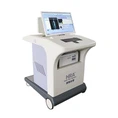

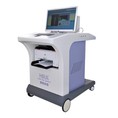
A comprehensive assessment of heart health is a crucial component of a full - body checkup. As a supplier of Full Body Checkup Machine, I'm excited to share how our advanced machines perform heart checkups.
1. Initial Preliminaries
Before the actual heart checkup begins, the patient is usually asked to rest for a few minutes. This is an important step as any recent physical exertion can temporarily increase heart rate and blood pressure, leading to inaccurate readings. The patient is then seated in a comfortable position, and electrodes are gently attached to specific locations on the patient's chest, arms, and legs. These electrodes are the fundamental interface between the patient and the checkup machine, allowing the machine to capture electrical signals from the heart.
2. Electrocardiogram (ECG) Monitoring
The first major aspect of the heart checkup using our full - body checkup machine is the electrocardiogram. An ECG records the electrical activity of the heart. The electrodes attached to the patient's body detect the electric impulses generated by the heart muscles during each heartbeat. Our machine is equipped with high - precision sensors that can detect even the slightest variations in these electrical signals.
The electrical signals are then transmitted to the machine's main unit, where sophisticated software analyzes the data. The software measures the time intervals between different waves in the ECG, such as the P - wave, QRS complex, and T - wave. These intervals provide valuable information about the heart's rhythm and conduction system. Any irregularities in the rhythm, like arrhythmias, can be accurately identified. For example, a premature ventricular contraction (PVC) will show up as an abnormal spike in the ECG pattern, and our machine's analysis can quickly flag it for further examination by a medical professional.
3. Blood Pressure Measurement
Blood pressure is another vital parameter in assessing heart health. Our full - body checkup machine uses oscillometric technology to measure blood pressure. A cuff is wrapped around the patient's upper arm, and it is then inflated to a pressure higher than the patient's systolic blood pressure. As the cuff gradually deflates, the machine detects the oscillations in the blood flow caused by the beating heart.
The algorithm within the machine analyzes these oscillations to determine both the systolic and diastolic blood pressures. High blood pressure, or hypertension, is a major risk factor for heart disease. Our machine can not only measure blood pressure accurately but also provide historical tracking if multiple checkups are performed over time. This allows medical practitioners to monitor changes in blood pressure and take appropriate preventive or corrective measures.
4. Echocardiography Integration (Optional Feature)
Some of our more advanced Full Body Checkup Machine models are integrated with echocardiography capabilities. Echocardiography, also known as an "echo", uses ultrasound waves to create a detailed image of the heart. A transducer is placed on the patient's chest, which emits high - frequency sound waves. These sound waves bounce off the heart's structures and return to the transducer, where they are converted into an image on the machine's screen.
Our echocardiography system provides multiple views of the heart, including the chambers, valves, and blood vessels. Doctors can assess the size and shape of the heart chambers, the function of the heart valves, and the overall cardiac output. For example, they can check if the heart valves are opening and closing properly. A leaky valve, which is a common heart condition, will show abnormal blood flow patterns in the echocardiogram, and the machine's imaging capabilities can clearly visualize these issues.
5. Cardiac Biomarker Analysis
Our full - body checkup machine can also perform cardiac biomarker analysis. Blood samples are taken from the patient, and the machine uses advanced immunoassay techniques to detect and measure specific proteins and substances in the blood that are related to heart health. For instance, troponin is a protein that is released into the blood when there is damage to the heart muscle, such as during a heart attack.
The machine can accurately measure the levels of troponin and other biomarkers like creatine kinase - MB (CK - MB). By analyzing these biomarker levels, doctors can quickly diagnose heart conditions, determine the severity of the damage, and plan appropriate treatment strategies. This is especially important in emergency situations where timely diagnosis can make a significant difference in patient outcomes.
6. Data Aggregation and Reporting
After all the necessary heart - related data is collected, our full - body checkup machine aggregates the information. The machine's software combines the results from the ECG, blood pressure measurement, echocardiogram (if available), and cardiac biomarker analysis. It then generates a comprehensive report that is easy to understand for both medical professionals and patients.
The report includes detailed numerical data, graphical representations of the ECG and echocardiogram, and expert commentary on the heart's condition. The generated report can be stored in a digital database for future reference. This feature is particularly useful for long - term patient monitoring and for comparing results over time.
7. Advantages of Our Full - Body Checkup Machine in Heart Checkups
One of the main advantages of our Full Body Checkup Machine is its high level of accuracy. The combination of advanced sensors, precise algorithms, and state - of - the - art technology ensures that the heart checkup results are as reliable as possible. This accuracy is crucial for making accurate diagnoses and providing appropriate treatment.
Secondly, our machine is user - friendly. The process of attaching electrodes, inflating the blood - pressure cuff, and using the transducer for echocardiography is straightforward. The intuitive interface of the machine's software makes it easy for medical staff to operate, which reduces the chances of human error during the checkup process.
In addition, our machine is cost - effective. Compared to traditional, separate cardiac diagnostic equipment, our full - body checkup machine provides multiple heart - related tests in one package, which can save healthcare facilities a significant amount of money on equipment procurement and maintenance.
8. Role in Preventive Cardiology
Our Full Body Checkup Machine plays a vital role in preventive cardiology. By detecting early signs of heart disease, such as abnormal ECG patterns or elevated blood pressure, the machine allows for early intervention. Lifestyle changes, such as diet modification, increased physical activity, and stress management, can be recommended to patients based on the checkup results.


In some cases, early detection can prevent the progression of heart disease to more serious conditions like heart attacks or heart failure. Regular heart checkups using our machine can be an essential part of a comprehensive preventive healthcare plan for individuals at risk of heart disease.
Why You Should Choose Our Products
As a leading supplier of Physical Examination Instruments and Health Checkup Machine, we are committed to providing high - quality products and excellent customer service. Our full - body checkup machines are built with the latest technology and are rigorously tested to ensure their reliability and accuracy.
Whether you are a large - scale hospital, a small clinic, or a private healthcare provider, our machines can meet your needs. We offer a range of models with different features and capabilities to suit various budgets and requirements.
If you are interested in enhancing your cardiac diagnostic capabilities, improving the quality of your preventive healthcare services, or simply looking for a more efficient and cost - effective way to perform heart checkups, we invite you to contact us for procurement discussions. We are ready to provide you with detailed product information, technical support, and customized solutions to help you make the best decision for your healthcare facility.
References
- Braunwald, E., Zipes, D. P., Libby, P. (2007). Braunwald's Heart Disease: A Textbook of Cardiovascular Medicine. Saunders Elsevier.
- Fuster, V., Walsh, R. A., Harrington, R. A. (2011). Hurst's The Heart. McGraw - Hill Medical.
- Goldman, L., Schafer, A. I. (2011). Goldman's Cecil Medicine. Saunders Elsevier.