



Hey there! I'm a supplier of health risk assessment devices, and I've been in this game for quite a while. Today, I wanna chat about how these nifty devices communicate with healthcare providers. It's a topic that's super important, especially when it comes to making sure patients get the best care possible.


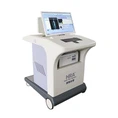
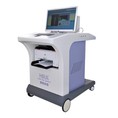
First off, let's talk about what a health risk assessment device actually is. These are high - tech gadgets that can analyze a whole bunch of data about a person's health. You've got Full Body Checkup Machine and Health Check - up Machine, which are capable of doing in - depth evaluations of a person's body. They can measure things like blood pressure, heart rate, and even detect early signs of diseases.
So, how do these devices get all this valuable info to healthcare providers? Well, there are a few different ways.
Wireless Connectivity
One of the most common methods is through wireless connectivity. Many of our Full Body Check - Up Machine models come equipped with Wi - Fi or Bluetooth capabilities. This means that once a patient has used the device to get their health data, the device can automatically send that data to a secure server.
For example, let's say a patient uses our health risk assessment device at home. The device takes all the necessary measurements and then, thanks to its Wi - Fi connection, it zips that data over to the cloud. Healthcare providers can then log into a secure portal to access this information. It's as easy as checking your email! This real - time data transfer is a game - changer because it allows doctors to respond quickly if there are any concerning health indicators.
Mobile Apps
Another cool way these devices communicate is through mobile apps. We've developed a user - friendly app that pairs with our health risk assessment devices. Patients can use the app to not only control the device but also view their health data in an easy - to - understand format.
Once the data is on the app, it can be shared directly with healthcare providers. The app has a feature where patients can select their doctor's profile and send the data with just a few taps. This is great for patients who are more tech - savvy and like to be in control of their health information. It also gives doctors a convenient way to access patient data on the go, whether they're in the office or out in the field.
Cloud - Based Systems
Cloud - based systems play a huge role in the communication between health risk assessment devices and healthcare providers. Our devices are designed to store data securely in the cloud. This has a bunch of benefits.
First of all, it ensures that the data is safe and protected. We use top - notch encryption methods to make sure that patient information remains private. Second, it allows for easy access from multiple locations. Healthcare providers can log into the cloud - based system from their desktops, laptops, or even tablets. They can view patient data, track trends over time, and make more informed decisions about treatment plans.
Interoperability
Interoperability is a big deal in the healthcare industry. Our health risk assessment devices are designed to be interoperable with other healthcare systems. This means that they can communicate with electronic health record (EHR) systems used by hospitals and clinics.
When a patient's data is sent from our device to the EHR system, it becomes part of their overall medical record. Doctors can then view this data alongside other relevant information, such as previous diagnoses, medications, and allergies. This comprehensive view of a patient's health helps healthcare providers make more accurate diagnoses and develop more personalized treatment plans.
Challenges and Solutions
Of course, there are some challenges when it comes to getting these devices to communicate effectively with healthcare providers. One of the main issues is data security. As I mentioned earlier, patient data needs to be kept private and secure. We've addressed this by implementing strict security protocols, such as multi - factor authentication and regular security audits.
Another challenge is ensuring that healthcare providers are actually using the data. Sometimes, doctors are so busy that they may not have the time to fully review all the information sent by the devices. To solve this, we offer training programs for healthcare providers. We teach them how to use the data effectively to improve patient care. We also provide summaries and alerts within the system to highlight important information.
The Future of Communication
The future looks bright for the communication between health risk assessment devices and healthcare providers. We're constantly working on improving our technology. For example, we're exploring the use of artificial intelligence to analyze the data and provide more detailed insights to doctors.
We're also looking into ways to make the communication process even more seamless. Maybe in the future, our devices will be able to communicate directly with smartwatches or other wearable devices, creating an even more integrated health monitoring system.
Why Choose Our Devices
If you're a healthcare provider or someone interested in purchasing health risk assessment devices, there are a few reasons why you should choose ours. First of all, our devices are highly accurate. We've spent years perfecting the technology to ensure that the data they provide is reliable.
Second, our communication methods are user - friendly. Whether you're a tech - newbie or a digital whiz, you'll find it easy to use our devices and access the data. Third, we offer excellent customer support. If you have any questions or run into any issues, our team is always here to help.
Contact Us for Purchase
If you're interested in learning more about our health risk assessment devices or want to start a purchase negotiation, we'd love to hear from you. Just reach out, and we can discuss how our devices can fit into your healthcare practice.
References
- Healthcare Information and Management Systems Society (HIMSS). (2023). Interoperability in Healthcare.
- American Medical Informatics Association (AMIA). (2023). Data Security in Healthcare Technology.
- World Health Organization (WHO). (2023). Digital Health Solutions for Improved Healthcare Delivery.