



How often should I use a body check - up machine?
In today's fast - paced world, maintaining good health is of utmost importance. With the advancement of technology, body check - up machines have become an accessible and convenient way to monitor one's health. As a supplier of body check - up machines, I often get asked the question: How often should I use a body check - up machine?


Understanding the Role of Body Check - up Machines
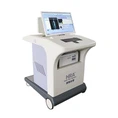
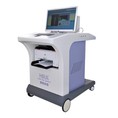
Body check - up machines, such as the Health Check - up Machine, are designed to provide a comprehensive assessment of your health status. These machines can detect a wide range of health issues, from basic vital signs like blood pressure and heart rate to more complex conditions related to organ function and overall body composition.
The Full Body Checkup Machine takes it a step further, offering a more in - depth analysis of the entire body. It can help in early detection of diseases, allowing for timely intervention and treatment. By regularly using these machines, individuals can keep track of their health trends over time, which is crucial for preventive healthcare.
Factors Influencing the Frequency of Use
- Age
- Younger individuals (ages 20 - 30): Generally, young and healthy people may not need to use a body check - up machine as frequently. A quarterly or semi - annual check - up can be sufficient. At this age, the body is relatively resilient, and major health issues are less likely to occur. However, regular check - ups can still help in establishing a baseline for future health monitoring.
- Middle - aged individuals (ages 30 - 50): As people enter middle age, the risk of developing chronic diseases such as hypertension, diabetes, and high cholesterol increases. It is advisable for this age group to use a body check - up machine at least once a month. This frequency allows for early detection of any emerging health problems and enables timely lifestyle adjustments or medical treatment.
- Older individuals (ages 50+): For seniors, the body's functions start to decline, and they are more prone to various health conditions. Using a body check - up machine on a weekly or bi - weekly basis is recommended. Regular monitoring can help in closely tracking the progression of existing conditions and detecting new ones early.
- Health Status
- Healthy individuals: Those who are in good health, with no pre - existing medical conditions and a healthy lifestyle, can use the body check - up machine less frequently. A monthly or bi - monthly check can be enough to ensure that their health remains stable.
- Individuals with chronic conditions: People with chronic diseases such as diabetes, heart disease, or kidney problems need to use the body check - up machine more often. For example, diabetics may need to monitor their blood sugar levels daily, and a full - body check - up machine can be used weekly to assess other aspects of their health, such as kidney function and cardiovascular health.
- Post - illness or recovery: After an illness or surgery, more frequent use of the body check - up machine is necessary to monitor the recovery process. Depending on the severity of the illness, it could be daily or a few times a week for the first few weeks, gradually reducing the frequency as the person recovers.
- Lifestyle
- Sedentary lifestyle: Individuals who have a sedentary job and limited physical activity are at a higher risk of developing health problems such as obesity, high blood pressure, and poor circulation. They should use the body check - up machine at least once a month to monitor their health and encourage them to make lifestyle changes.
- Active lifestyle: People who are very active, such as athletes or fitness enthusiasts, may also benefit from regular check - ups. Although they are generally in good physical condition, intense physical activity can sometimes lead to overuse injuries or other health issues. A bi - monthly check - up can help in ensuring that their bodies are coping well with the physical demands.
- Unhealthy habits: Those with unhealthy habits like smoking, excessive alcohol consumption, or a poor diet should use the body check - up machine more frequently. Monthly or even bi - weekly checks can help in highlighting the negative effects of these habits on their health and motivate them to make positive changes.
Benefits of Regular Use
- Early Detection of Diseases
Regular use of a body check - up machine can detect diseases in their early stages, when they are more likely to be treatable. For example, high blood pressure often has no obvious symptoms in the early stages, but a body check - up machine can detect it. Early detection allows for lifestyle changes or medication to be started before the condition progresses and causes more serious health problems. - Health Monitoring and Trend Analysis
By using the body check - up machine regularly, individuals can track their health trends over time. They can see how their vital signs, such as blood pressure, heart rate, and cholesterol levels, change in response to lifestyle changes, diet, or medication. This information can be used to make informed decisions about their health and adjust their lifestyle accordingly. - Peace of Mind
Knowing that you are regularly monitoring your health can provide peace of mind. It can reduce anxiety about potential health problems and give you confidence in your overall well - being. Even if the results are normal, regular check - ups can serve as a reminder to maintain a healthy lifestyle.
Conclusion
The frequency of using a body check - up machine depends on various factors such as age, health status, and lifestyle. As a supplier of Health Checkup Machine, I recommend that individuals consult with their healthcare providers to determine the most appropriate frequency for their specific needs.
If you are interested in purchasing a high - quality body check - up machine for personal or professional use, we are here to assist you. Our machines are designed with the latest technology to provide accurate and reliable health assessments. Please feel free to contact us to discuss your requirements and start taking control of your health today.
References
- World Health Organization. (2023). Global Strategy on Diet, Physical Activity and Health.
- American Heart Association. (2023). Guidelines for Cardiovascular Health.
- Centers for Disease Control and Prevention. (2023). Chronic Disease Prevention and Health Promotion.