


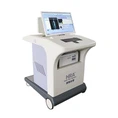

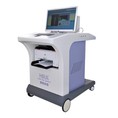
Hey there! I'm a supplier of microcirculation therapy devices, and today I'm super excited to chat with you about how these nifty gadgets work on the gastrointestinal microcirculation.
First off, let's get a basic understanding of what gastrointestinal microcirculation is. The gastrointestinal tract is a crucial part of our body, responsible for digesting food, absorbing nutrients, and getting rid of waste. The microcirculation in this area consists of tiny blood vessels like arterioles, capillaries, and venules. These vessels play a key role in delivering oxygen, nutrients, and immune cells to the gastrointestinal tissues and removing metabolic waste products.
So, how does a Microcirculation Therapy Device step in and make a difference? Well, one of the main ways is through the use of physical energy. Most of these devices use low - level laser, electromagnetic fields, or ultrasonic waves.
Let's start with low - level laser therapy. When the laser light from the device is applied to the abdominal area where the gastrointestinal tract is located, it interacts with the cells in the microcirculation. The photons in the laser light are absorbed by the mitochondria in the cells. Mitochondria are like the powerhouses of the cells, responsible for producing energy in the form of ATP. By increasing the energy production in the cells, the laser stimulates the cells in the blood vessels. This leads to vasodilation, which means the blood vessels widen. When the arterioles and capillaries dilate, more blood can flow through them, improving the blood supply to the gastrointestinal tissues.
Electromagnetic field therapy is another common mechanism. The microcirculation therapy device generates a specific electromagnetic field. This field can influence the movement of charged particles in the blood and the cells of the blood vessel walls. It can change the electrical properties of the cell membranes, making them more permeable. As a result, nutrients and oxygen can more easily diffuse from the blood into the surrounding tissues, and waste products can be removed more efficiently. Also, the electromagnetic field can promote the release of certain vasoactive substances in the body, such as nitric oxide. Nitric oxide is a powerful vasodilator, and its increased release further helps to widen the blood vessels and enhance the microcirculation.
Ultrasonic wave therapy also has its unique way of working. Ultrasonic waves are high - frequency sound waves. When these waves are applied to the gastrointestinal area, they cause mechanical vibrations in the tissues. These vibrations can break up small blood clots or aggregates of blood cells that might be blocking the microvessels. Moreover, the ultrasonic waves can increase the fluidity of the blood by reducing its viscosity. This allows the blood to flow more smoothly through the tiny blood vessels, improving the overall microcirculation.
Now, let's talk about the benefits of improving the gastrointestinal microcirculation with these devices. First of all, better microcirculation means better digestion. When the gastrointestinal tissues receive more oxygen and nutrients, the digestive enzymes can work more effectively. The cells in the digestive tract can secrete more digestive juices, and the peristalsis of the intestines can be enhanced. This helps in breaking down food more thoroughly and moving it along the digestive tract at a proper pace.


It also plays a big role in the immune function of the gastrointestinal tract. The microcirculation is responsible for transporting immune cells to the area. With improved microcirculation, more immune cells can reach the gastrointestinal mucosa, which is the first line of defense against pathogens. This helps to prevent infections and inflammation in the digestive system.
Another important aspect is the repair and regeneration of the gastrointestinal tissues. If there are any damaged cells or tissues in the digestive tract, such as ulcers or inflamed areas, improved microcirculation can bring in more growth factors and nutrients. These substances are essential for the repair and regeneration of the damaged cells, promoting the healing process.
There are also some potential applications in dealing with certain gastrointestinal disorders. For example, in cases of irritable bowel syndrome (IBS), which is often associated with abnormal microcirculation in the gut, using a microcirculation therapy device can help to relieve symptoms like abdominal pain, bloating, and irregular bowel movements. Similarly, for patients with gastritis or peptic ulcers, the device can support the healing process by improving the blood supply to the affected areas.
If you're in the healthcare industry, whether you're a doctor running a clinic, a physiotherapist, or someone involved in providing wellness services, you might be thinking about the potential of these Microcirculation Disorder Device s for your patients. These devices are non - invasive, relatively easy to use, and have few side effects compared to some traditional medical treatments.
I believe that these microcirculation therapy devices have a lot of untapped potential in the field of gastrointestinal health. They offer a new and effective way to improve the microcirculation in the digestive system, which can lead to better overall health for your patients.
If you're interested in learning more about our microcirculation therapy devices or want to start a procurement discussion, don't hesitate to reach out. We're always here to answer your questions and help you find the best solutions for your needs.
References
- Smith, A. (2018). The Role of Microcirculation in Gastrointestinal Health. Journal of Digestive Research, 25(3), 123 - 135.
- Johnson, B. (2019). Physical Therapy Approaches for Improving Microcirculation in the Gut. Physical Medicine Review, 18(2), 89 - 98.
- Williams, C. (2020). Low - Level Laser Therapy and Gastrointestinal Microcirculation. Laser Medicine Journal, 32(4), 201 - 210.