


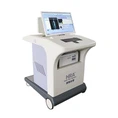

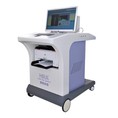
Hey there! As a supplier of rhinitis treatment instruments, I often get asked about how to store these devices during long - term non - use. It's a crucial question because proper storage can ensure the instrument stays in good working condition and is ready when you need it again. So, let's dive right into it.
Why Proper Storage Matters
First off, you might be wondering why it's such a big deal to store your rhinitis treatment instrument correctly. Well, these instruments are precision devices. They've got delicate components that can be affected by various environmental factors. If you just toss it in a corner and forget about it, you could end up with a malfunctioning device when you finally need it. And that's not cool, especially when you're dealing with something as annoying as rhinitis.
Cleaning Before Storage
Before you even think about packing up your rhinitis treatment instrument, you've got to give it a good clean. This step is super important because any dirt, mucus, or other debris left on the device can cause corrosion or damage over time.
Start by referring to the user manual. It'll have specific instructions on how to clean your particular model. In general, though, you'll want to use a soft, lint - free cloth. Dampen it slightly with a mild, non - abrasive cleaner. Make sure to wipe down all the external surfaces of the instrument.
For parts that come into direct contact with your nose or face, like nasal tips or mouthpieces, you might need to soak them in a special cleaning solution. Again, check the manual for the recommended solution and soaking time. After soaking, rinse them thoroughly with clean water and let them air dry completely.
Once everything is clean and dry, you're ready to move on to the next step.
Choosing the Right Storage Location
Now, where you store your rhinitis treatment instrument is just as important as how you clean it. You want to pick a place that's dry, cool, and away from direct sunlight.
Direct sunlight can heat up the instrument and damage its internal components. High temperatures can also cause the plastic parts to warp or become brittle. So, avoid storing it on a windowsill or in a car during hot weather.
Moisture is another enemy. If the storage area is too humid, it can lead to the growth of mold and mildew. This not only looks gross but can also affect the performance of the instrument. A closet or a cabinet in a well - ventilated room is usually a good choice.
You can also consider using a dehumidifier in the storage area if you live in a particularly humid climate. This will help keep the air dry and protect your device.
Protecting the Instrument
Once you've found the perfect storage spot, it's time to protect the instrument itself. Most rhinitis treatment instruments come with a carrying case. If you have one, use it! The case is designed to provide a bit of cushioning and protection from bumps and scratches.
If you don't have the original case, you can use a soft, padded box. Line it with a clean, dry cloth to prevent any scratches. You can also use bubble wrap or foam inserts to give extra protection.
Make sure to remove any batteries from the instrument before storage. Batteries can leak over time, and the corrosive chemicals can damage the device. Store the batteries separately in a cool, dry place.
Checking Periodically
Even if you're not using your rhinitis treatment instrument for a long time, it's a good idea to check on it periodically. Every few months, take it out of storage and give it a quick once - over.
Inspect the external surfaces for any signs of damage, like cracks or scratches. Check the power cord (if it has one) for fraying. Make sure all the buttons and switches are still working properly.
If you notice any issues, it's best to contact the manufacturer or a professional technician for advice. They can help you determine if the instrument can be repaired or if it needs to be replaced.
Reusing the Instrument
When you're finally ready to start using your rhinitis treatment instrument again, there are a few things you should do. First, clean it one more time following the same cleaning steps as before. This will remove any dust or debris that might have accumulated during storage.
Then, insert the batteries (if you removed them) or plug it in. Turn it on and let it run for a few minutes to make sure it's working correctly. If you notice any strange noises, smells, or performance issues, don't use it and contact the manufacturer right away.
Conclusion
Storing your rhinitis treatment instrument properly during long - term non - use is essential for its longevity and performance. By following these simple steps, you can ensure that your device stays in good condition and is ready to help you fight rhinitis whenever you need it.
If you're in the market for a new Rhinitis Treatment Instrument, we've got a great selection at our store. Our Apparatus for Relieving Rhinitis and Apparatus for Relieving Allergic Rhinitis are top - notch products that have helped many people manage their rhinitis symptoms.
If you're interested in learning more or making a purchase, don't hesitate to reach out. We're always here to answer your questions and help you find the right instrument for your needs.


References
- User manuals of various rhinitis treatment instruments.
- General knowledge about electronic device storage and maintenance.