




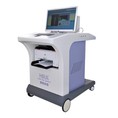
As a supplier of PEMF pulse therapy devices, I've witnessed firsthand the growing interest in this innovative technology and its potential impact on cellular health. Pulsed Electromagnetic Field (PEMF) therapy has emerged as a non-invasive treatment option that aims to enhance the body's natural healing processes at the cellular level. In this blog post, I'll delve into how a PEMF pulse therapy device affects the body's cells, exploring the scientific mechanisms behind its action and the potential benefits it offers.
Understanding PEMF Technology
PEMF therapy involves the use of low-frequency electromagnetic fields that are pulsed at specific intervals. These pulses generate magnetic fields that penetrate the body's tissues, reaching the cellular level. Unlike static magnetic fields, which remain constant, PEMF devices produce dynamic magnetic fields that change over time. This dynamic nature is thought to be crucial for stimulating cellular responses.
The PEMF devices we supply, such as the Pemf Magnetic Therapy Device, Pulsed Magnetic Field Therapy Machine, and Pemf Mat Devices, are designed to deliver precise and customizable PEMF signals. These signals can be adjusted in terms of frequency, intensity, and waveform to suit different treatment needs.
Effects on Cellular Membranes
One of the primary ways PEMF therapy affects cells is by influencing the permeability of their membranes. Cell membranes are semi-permeable barriers that control the movement of substances in and out of the cell. They play a crucial role in maintaining cellular homeostasis and are involved in various cellular processes, such as nutrient uptake, waste removal, and signal transduction.
When a PEMF signal is applied to the body, it can induce electrical changes in the cell membrane. These electrical changes can cause the membrane to become more permeable, allowing for increased transport of ions and molecules across the membrane. For example, PEMF therapy has been shown to enhance the influx of calcium ions into cells. Calcium is a vital signaling molecule that plays a role in numerous cellular functions, including muscle contraction, nerve impulse transmission, and gene expression.
By increasing calcium ion influx, PEMF therapy can activate various intracellular signaling pathways. These pathways can trigger a cascade of events that promote cell growth, repair, and regeneration. Additionally, improved membrane permeability can also enhance the delivery of nutrients and oxygen to cells, while facilitating the removal of waste products. This can help to optimize cellular function and support overall health.
Stimulation of Cellular Metabolism
Another important effect of PEMF therapy on cells is its ability to stimulate cellular metabolism. Metabolism refers to the chemical reactions that occur within cells to maintain life. It includes processes such as energy production, protein synthesis, and DNA repair.
PEMF signals can interact with the mitochondria, the powerhouses of the cell. Mitochondria are responsible for generating adenosine triphosphate (ATP), the primary energy currency of the cell. By stimulating mitochondrial function, PEMF therapy can increase ATP production, providing cells with more energy to carry out their normal functions.
Increased ATP production can have a wide range of benefits for the body. It can enhance cellular repair and regeneration processes, as cells require energy to synthesize new proteins and repair damaged DNA. It can also improve the function of various organs and tissues, as they rely on ATP to perform their specific tasks. For example, in muscle cells, increased ATP production can lead to improved muscle strength and endurance.
Furthermore, PEMF therapy has been shown to influence the activity of enzymes involved in cellular metabolism. Enzymes are biological catalysts that speed up chemical reactions in the body. By modulating enzyme activity, PEMF therapy can optimize metabolic pathways and promote more efficient cellular function.
Modulation of Inflammatory Responses
Inflammation is a natural immune response that helps the body fight off infections and repair damaged tissues. However, chronic inflammation can contribute to the development of various diseases, such as arthritis, cardiovascular disease, and neurodegenerative disorders.
PEMF therapy has been shown to have anti-inflammatory effects at the cellular level. It can modulate the activity of immune cells, such as macrophages and lymphocytes, which play a key role in the inflammatory response. By regulating the production of inflammatory cytokines, which are signaling molecules that promote inflammation, PEMF therapy can help to reduce inflammation and its associated symptoms.
For example, PEMF therapy has been found to decrease the production of pro-inflammatory cytokines, such as tumor necrosis factor-alpha (TNF-α) and interleukin-6 (IL-6), while increasing the production of anti-inflammatory cytokines, such as interleukin-10 (IL-10). This shift in cytokine balance can help to dampen the inflammatory response and promote a more balanced immune state.
In addition to its effects on immune cells, PEMF therapy can also protect cells from oxidative stress, which is a major contributor to inflammation. Oxidative stress occurs when there is an imbalance between the production of reactive oxygen species (ROS) and the body's antioxidant defenses. PEMF therapy can enhance the activity of antioxidant enzymes, such as superoxide dismutase (SOD) and catalase, which help to neutralize ROS and protect cells from damage.
Promotion of Cell Proliferation and Differentiation
Cell proliferation and differentiation are essential processes for tissue growth, repair, and regeneration. PEMF therapy has been shown to have a positive impact on these processes at the cellular level.
In certain types of cells, such as stem cells, PEMF therapy can stimulate proliferation. Stem cells are undifferentiated cells that have the potential to develop into various cell types. By promoting stem cell proliferation, PEMF therapy can increase the number of cells available for tissue repair and regeneration.
Furthermore, PEMF therapy can also influence cell differentiation, which is the process by which cells become specialized. It can guide stem cells to differentiate into specific cell types, such as bone cells, muscle cells, or nerve cells. This can be particularly beneficial in the treatment of conditions that involve tissue damage or loss, such as fractures, muscle injuries, and neurodegenerative diseases.
For example, in bone tissue, PEMF therapy has been shown to promote the differentiation of mesenchymal stem cells into osteoblasts, the cells responsible for bone formation. This can accelerate the healing process of fractures and improve bone density. In nerve tissue, PEMF therapy may help to promote the differentiation of neural stem cells into neurons, which could potentially aid in the treatment of neurological disorders.


Potential Benefits for Overall Health
The effects of PEMF therapy on cells can have a wide range of potential benefits for overall health. By enhancing cellular function, metabolism, and repair, PEMF therapy may help to alleviate various health conditions and improve quality of life.
Some of the potential benefits of PEMF therapy include:
- Pain relief: PEMF therapy can help to reduce pain by modulating the activity of pain receptors and reducing inflammation. It has been used to treat conditions such as arthritis, back pain, and sports injuries.
- Improved sleep: By promoting relaxation and reducing stress, PEMF therapy may help to improve sleep quality. It can also regulate the body's internal clock, known as the circadian rhythm, which is important for maintaining a healthy sleep-wake cycle.
- Enhanced athletic performance: PEMF therapy can improve muscle strength, endurance, and recovery. It can also reduce the risk of injuries and speed up the healing process after exercise.
- Improved cognitive function: By increasing blood flow and oxygen delivery to the brain, PEMF therapy may enhance cognitive function, including memory, concentration, and focus. It has also been investigated as a potential treatment for neurodegenerative diseases, such as Alzheimer's and Parkinson's.
- Support for immune function: PEMF therapy can modulate the immune system, helping to enhance its ability to fight off infections and diseases. It can also reduce the risk of autoimmune disorders by promoting a balanced immune response.
Conclusion
In conclusion, PEMF pulse therapy devices have the potential to significantly impact the body's cells through various mechanisms. By influencing cellular membranes, metabolism, inflammatory responses, and cell proliferation and differentiation, PEMF therapy can promote cellular health and support overall well-being.
As a supplier of PEMF pulse therapy devices, we are committed to providing high-quality products that are backed by scientific research. Our Pemf Magnetic Therapy Device, Pulsed Magnetic Field Therapy Machine, and Pemf Mat Devices are designed to deliver safe and effective PEMF therapy.
If you are interested in learning more about our PEMF pulse therapy devices or exploring the potential benefits of PEMF therapy for your health, we invite you to contact us for a procurement consultation. Our team of experts will be happy to answer your questions and provide you with more information.
References
- Blank, M., & Goodman, R. (2007). Electromagnetic fields act via activation of voltage-gated calcium channels to produce beneficial or adverse effects. Journal of Cellular Physiology, 213(2), 293-305.
- Binhi, V. N. (2002). Biological effects of static magnetic fields. Bioelectromagnetics, 23(8), 585-601.
- Liboff, A. R. (2004). Electromagnetic field effects on cells. Progress in Biophysics and Molecular Biology, 85(2-3), 283-307.
- Pawluk, R. (2008). Pulsed electromagnetic field therapy: A literature review. Journal of Neurotherapy, 12(2), 111-133.
- Rosch, P. J., & Markov, M. S. (2004). Electromagnetic fields (EMF) in medicine. Boca Raton, FL: CRC Press.