


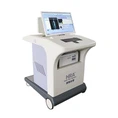

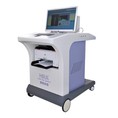
Pulsed Electromagnetic Field (PEMF) pulse therapy devices and massage therapy are two popular methods for promoting health and relieving pain. As a supplier of PEMF pulse therapy devices, I often get asked how these devices compare to traditional massage therapy. In this blog post, I'll delve into the similarities and differences between the two, exploring their mechanisms, benefits, and limitations.


Mechanisms of Action
Massage therapy is a hands - on approach that involves manipulating the soft tissues of the body, including muscles, tendons, ligaments, and fascia. Therapists use various techniques such as kneading, stroking, and stretching to improve blood circulation, reduce muscle tension, and enhance relaxation. The physical pressure and movement applied during massage stimulate the sensory receptors in the skin and muscles, sending signals to the brain that trigger the release of endorphins, the body's natural painkillers.
On the other hand, PEMF pulse therapy devices work by generating pulsed electromagnetic fields. These fields penetrate the body's tissues, including bones, muscles, and organs. When the electromagnetic pulses interact with the cells in the body, they can influence cellular function at a molecular level. For example, PEMF can enhance the permeability of cell membranes, facilitating the exchange of nutrients and waste products, and helping cells to function more efficiently. It can also stimulate the production of ATP (adenosine triphosphate), the energy currency of the cell, which is essential for cell repair and regeneration. You can learn more about Pulsed Magnetic Field Therapy Apparatus to understand their working principles in detail.
Benefits
Pain Relief
Both massage therapy and PEMF pulse therapy are known for their pain - relieving effects. Massage can provide immediate relief by reducing muscle spasms and improving blood flow to the affected area. It is particularly effective for treating acute muscle pain, such as that caused by overexertion or minor injuries. For example, after a strenuous workout, a massage can help relax tight muscles and reduce soreness.
PEMF pulse therapy, on the other hand, may offer more long - term pain relief. By promoting cell repair and reducing inflammation at the cellular level, it can address the root causes of pain. It has been used to treat various chronic pain conditions, including arthritis, back pain, and fibromyalgia. In some cases, patients have reported significant reduction in pain and improvement in their quality of life after regular PEMF treatments. Pemf Pulse Therapy Equipment can be a valuable tool in managing chronic pain.
Relaxation
Massage is often associated with relaxation. The gentle touch and rhythmic movements can help to calm the nervous system, reduce stress, and promote a sense of well - being. Many people find that a massage session is a great way to unwind after a long and stressful day.
PEMF therapy can also induce relaxation. The electromagnetic fields can have a sedative effect on the nervous system, helping to reduce anxiety and improve sleep quality. Some users report feeling more relaxed and mentally clear after using PEMF devices regularly. This effect can be particularly beneficial for those who suffer from stress - related disorders.
Muscle Recovery
In the context of sports and fitness, both methods play a role in muscle recovery. Massage can help to break up adhesions in the muscles, improve flexibility, and speed up the removal of lactic acid, which accumulates during exercise and causes muscle fatigue. Athletes often use massage to recover more quickly after intense training or competition.
PEMF therapy can support muscle recovery by enhancing the oxygenation of muscle cells and promoting the repair of damaged muscle tissue. It can also reduce inflammation in the muscles, which is a common cause of post - workout soreness. Using Pemf Mat Devices after a workout can be an easy and effective way for athletes to aid in their muscle recovery process.
Limitations
Massage Therapy
One of the main limitations of massage therapy is its cost. Professional massage sessions can be quite expensive, especially if you need frequent treatments. Additionally, it requires the presence of a trained therapist, which means you need to schedule appointments and travel to a massage studio. This can be inconvenient for some people, especially those with busy schedules.
Another limitation is that massage only affects the superficial layers of the body. While it can be effective for treating muscle - related issues, it may not be able to reach deeper tissues or address internal health problems.
PEMF Pulse Therapy Devices
Although PEMF pulse therapy devices offer many benefits, they also have some limitations. One concern is the lack of long - term, large - scale clinical studies. While there is growing evidence supporting the effectiveness of PEMF therapy, more research is needed to fully understand its long - term effects and potential risks.
There is also a learning curve associated with using PEMF devices. Different conditions may require different settings, and users need to understand how to operate the device correctly to achieve the best results. Some people may find the technical aspects confusing at first.
Comparing the Two
In terms of convenience, PEMF pulse therapy devices have an edge. You can use them in the comfort of your own home at any time that suits you. You don't need to make appointments or travel to a therapist. This makes it a great option for those with limited time or mobility issues.
When it comes to cost - effectiveness, over the long run, investing in a PEMF device can be more economical compared to regular massage sessions. While the initial purchase price of a PEMF device may be high, if used frequently, it can save you money on multiple massage appointments.
However, massage therapy offers a more personalized experience. A skilled therapist can adjust the pressure, technique, and focus of the massage according to your specific needs and feedback. This hands - on approach can provide a unique human touch that PEMF devices cannot replicate.
Conclusion
Both PEMF pulse therapy devices and massage therapy have their own advantages and limitations. Depending on your specific needs, preferences, and circumstances, you may choose one over the other or even use them in combination.
If you are someone who is looking for a convenient, cost - effective way to manage pain, promote relaxation, and aid in muscle recovery, a PEMF pulse therapy device could be an excellent option. We offer a wide range of high - quality PEMF devices, including Pulsed Magnetic Field Therapy Apparatus, Pemf Pulse Therapy Equipment, and Pemf Mat Devices, to meet your diverse needs.
If you are interested in exploring the benefits of PEMF therapy for yourself or your business, I encourage you to reach out for a procurement discussion. We are here to provide you with detailed product information, support, and answers to any questions you may have.
References
- Alcantara, A. C., & Vasilev, V. (2016). “Pulsed electromagnetic field therapy in the management of knee osteoarthritis: a double‐blind, placebo‐controlled study”. Journal of alternative and complementary medicine.
- Field, T. (2010). “Massage therapy research”. Infant behavior and development.