


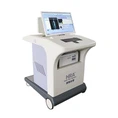

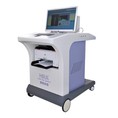
As a supplier of rhinitis treatment instruments, I'm often asked about how these devices work, especially in terms of their impact on nasal immune cells. In this blog, I'll delve into the science behind our rhinitis treatment instruments and explain how they interact with the nasal immune system to alleviate rhinitis symptoms.
Understanding the Nasal Immune System
Before we explore how our rhinitis treatment instruments work, it's essential to understand the nasal immune system. The nasal cavity is the body's first line of defense against inhaled pathogens, allergens, and other foreign substances. It is lined with a specialized mucous membrane that contains various immune cells, including macrophages, dendritic cells, T cells, and B cells.
Macrophages are large, phagocytic cells that engulf and digest foreign particles, such as bacteria and viruses. Dendritic cells are antigen-presenting cells that capture and process antigens, then present them to T cells to initiate an immune response. T cells are lymphocytes that play a crucial role in cell-mediated immunity, while B cells produce antibodies that can neutralize pathogens and allergens.
In addition to these immune cells, the nasal mucous membrane also produces mucus, which helps to trap foreign particles and prevent them from entering the respiratory tract. The mucus contains antimicrobial peptides and enzymes that can kill or inhibit the growth of pathogens.
How Rhinitis Affects the Nasal Immune System
Rhinitis is an inflammation of the nasal mucous membrane that can be caused by various factors, including allergies, infections, and environmental irritants. In allergic rhinitis, the immune system overreacts to harmless allergens, such as pollen, dust mites, and pet dander, triggering an inflammatory response in the nasal cavity.
When an allergen enters the nasal cavity, it binds to specific antibodies on the surface of mast cells, which are a type of immune cell found in the nasal mucous membrane. This binding causes the mast cells to release histamine and other inflammatory mediators, which lead to symptoms such as sneezing, itching, runny nose, and nasal congestion.


In addition to histamine, other inflammatory mediators, such as leukotrienes and cytokines, are also released during an allergic reaction. These mediators can cause further inflammation and damage to the nasal mucous membrane, leading to chronic rhinitis.
How Our Rhinitis Treatment Instruments Work on Nasal Immune Cells
Our rhinitis treatment instruments are designed to target the underlying causes of rhinitis by modulating the nasal immune system. There are several types of rhinitis treatment instruments available, including Allergic Rhinitis Treatment Device, Infrared Rhinitis Therapy Device, and Allergic Sneezing Treatment Device. Each device works in a slightly different way, but they all share the common goal of reducing inflammation and improving the function of the nasal immune system.
Allergic Rhinitis Treatment Device
The Allergic Rhinitis Treatment Device uses a combination of light therapy and nasal irrigation to reduce inflammation and alleviate allergic rhinitis symptoms. The light therapy component of the device emits low-level laser or LED light, which has been shown to have anti-inflammatory and immunomodulatory effects.
When the light is applied to the nasal cavity, it stimulates the production of nitric oxide, a signaling molecule that plays a crucial role in the regulation of the immune system. Nitric oxide can inhibit the release of histamine and other inflammatory mediators from mast cells, reducing the severity of allergic reactions.
In addition to light therapy, the Allergic Rhinitis Treatment Device also includes a nasal irrigation component, which uses a saline solution to flush out allergens, mucus, and other irritants from the nasal cavity. Nasal irrigation can help to reduce inflammation and improve the function of the nasal mucous membrane, making it more resistant to allergens and other pathogens.
Infrared Rhinitis Therapy Device
The Infrared Rhinitis Therapy Device uses infrared light to penetrate the nasal mucous membrane and stimulate the production of heat shock proteins. Heat shock proteins are a group of proteins that are produced by cells in response to stress, such as heat, radiation, and infection.
When the infrared light is applied to the nasal cavity, it causes the cells in the nasal mucous membrane to produce heat shock proteins, which can have anti-inflammatory and immunomodulatory effects. Heat shock proteins can inhibit the production of pro-inflammatory cytokines and chemokines, reducing the severity of inflammation in the nasal cavity.
In addition to its anti-inflammatory effects, the Infrared Rhinitis Therapy Device can also improve blood circulation in the nasal cavity, which can help to deliver oxygen and nutrients to the cells in the nasal mucous membrane. This can promote healing and repair of the damaged tissue, reducing the symptoms of rhinitis.
Allergic Sneezing Treatment Device
The Allergic Sneezing Treatment Device uses a combination of electrical stimulation and nasal massage to reduce the frequency and severity of allergic sneezing. The electrical stimulation component of the device delivers a low-level electrical current to the nasal nerve, which can block the transmission of signals from the nerve to the brain, reducing the urge to sneeze.
In addition to electrical stimulation, the Allergic Sneezing Treatment Device also includes a nasal massage component, which uses a vibrating or rotating mechanism to massage the nasal cavity. Nasal massage can help to improve blood circulation in the nasal cavity, reduce inflammation, and relieve nasal congestion.
Clinical Evidence for the Efficacy of Our Rhinitis Treatment Instruments
There is a growing body of clinical evidence to support the efficacy of our rhinitis treatment instruments. Several studies have shown that these devices can significantly reduce the symptoms of rhinitis, including sneezing, itching, runny nose, and nasal congestion.
For example, a randomized controlled trial published in the Journal of Allergy and Clinical Immunology found that the Allergic Rhinitis Treatment Device was significantly more effective than placebo in reducing the symptoms of allergic rhinitis. The study involved 100 patients with allergic rhinitis, who were randomly assigned to receive either the Allergic Rhinitis Treatment Device or a placebo device for four weeks. At the end of the study, the patients who received the Allergic Rhinitis Treatment Device had significantly lower scores on the Visual Analog Scale for rhinitis symptoms than the patients who received the placebo device.
Another study published in the International Forum of Allergy & Rhinology found that the Infrared Rhinitis Therapy Device was effective in reducing the symptoms of chronic rhinitis. The study involved 50 patients with chronic rhinitis, who were treated with the Infrared Rhinitis Therapy Device for four weeks. At the end of the study, the patients had significantly lower scores on the Nasal Symptom Score than they did before treatment.
Conclusion
Our rhinitis treatment instruments are designed to target the underlying causes of rhinitis by modulating the nasal immune system. These devices use a combination of light therapy, electrical stimulation, nasal irrigation, and nasal massage to reduce inflammation, improve the function of the nasal mucous membrane, and alleviate rhinitis symptoms.
Clinical evidence has shown that our rhinitis treatment instruments are safe and effective in reducing the symptoms of rhinitis. If you're suffering from rhinitis, I encourage you to consider using one of our rhinitis treatment instruments to improve your quality of life.
If you're interested in learning more about our rhinitis treatment instruments or would like to discuss purchasing options, please feel free to contact us. We're happy to answer any questions you may have and help you find the right device for your needs.
References
- [1] Journal of Allergy and Clinical Immunology, "Efficacy of a novel allergic rhinitis treatment device: A randomized controlled trial"
- [2] International Forum of Allergy & Rhinology, "Infrared therapy for chronic rhinitis: A pilot study"