


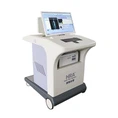

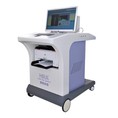
In modern society, the concept of sub - health has gained increasing attention. Sub - health refers to a state between health and illness, where individuals may experience various discomforts but do not meet the diagnostic criteria for a specific disease. Among the many aspects of sub - health, bone - related sub - health is a significant concern, especially with the aging population and changing lifestyles. As a leading sub - health analyzer supplier, we are committed to providing advanced technology to detect bone - related sub - health effectively.
Understanding Bone - Related Sub - Health
Bone - related sub - health can manifest in several ways. It may include early signs of osteoporosis, such as decreased bone density, which can lead to an increased risk of fractures. Muscle weakness around the bones, joint pain, and reduced flexibility are also common symptoms. These issues can be caused by a variety of factors, including poor diet, lack of exercise, hormonal imbalances, and long - term stress.
How Our Sub - Health Analyzer Works
Our sub - health analyzer is designed based on cutting - edge technology to accurately detect bone - related sub - health. Here are the key steps and principles involved in the detection process:
1. Bioelectrical Impedance Analysis (BIA)
BIA is one of the fundamental methods used in our analyzer. It measures the electrical resistance of the body tissues. Bones have different electrical properties compared to other tissues such as muscles and fat. When a weak electrical current is passed through the body, the resistance encountered by the current can provide information about the bone density and the quality of the bone structure.
The analyzer sends a low - frequency electrical signal through the body via electrodes placed on the skin. The signal travels through different tissues, and the impedance is measured. Lower impedance may indicate a higher proportion of fluid and better - structured bone tissue, while higher impedance could suggest lower bone density or the presence of bone damage. This data is then processed by the analyzer's software to generate a detailed report on the bone's condition.
2. Ultrasonic Technology
Ultrasonic waves are also employed in our sub - health analyzer for bone detection. Ultrasonic waves can penetrate the body and interact with the bones. When the waves hit the bone, they are reflected back, and the time it takes for the waves to return is measured.
The speed of the ultrasonic waves through the bone and the pattern of the reflected waves can provide valuable information about the bone's density, elasticity, and structure. For example, in healthy bones, the ultrasonic waves travel at a certain speed and are reflected in a characteristic pattern. If there are changes in the bone, such as osteoporosis or fractures, the speed of the waves and the reflection pattern will be altered. Our analyzer can detect these changes and analyze them to assess the bone - related sub - health status.
3. Sensor - Based Data Collection
In addition to BIA and ultrasonic technology, our sub - health analyzer is equipped with a variety of sensors. These sensors can detect other factors related to bone health, such as body posture, muscle strength, and joint mobility.
For instance, sensors can measure the angle of the joints and the force exerted by the muscles during movement. Abnormal joint angles or reduced muscle strength may indicate bone - related problems. The data from these sensors is combined with the results from BIA and ultrasonic analysis to provide a comprehensive assessment of the bone - related sub - health.


Advantages of Our Sub - Health Analyzer
1. Non - Invasive
One of the significant advantages of our analyzer is that it is non - invasive. Unlike traditional methods such as bone biopsies or X - rays, our sub - health analyzer does not require any needles or exposure to radiation. This makes it a safe and comfortable option for patients, especially those who are concerned about the potential risks associated with invasive procedures.
2. High Precision
Our analyzer uses advanced algorithms and state - of - the - art technology to ensure high precision in detecting bone - related sub - health. The combination of multiple detection methods, such as BIA, ultrasonic technology, and sensor - based data collection, allows for a more accurate assessment of the bone's condition. This precision helps in early detection of potential problems, enabling timely intervention and treatment.
3. Comprehensive Report
The analyzer generates a comprehensive report that includes detailed information about the bone density, bone structure, muscle strength around the bones, and joint mobility. The report is presented in an easy - to - understand format, with graphical representations and numerical values. This allows both patients and healthcare professionals to quickly understand the bone - related sub - health status and make informed decisions about further diagnosis and treatment.
Applications in Different Settings
Our sub - health analyzer has a wide range of applications in different settings.
1. Healthcare Clinics
In healthcare clinics, our analyzer can be used for routine health check - ups. Doctors can use the analyzer to screen patients for bone - related sub - health problems, especially for patients at high risk, such as the elderly, post - menopausal women, and those with a family history of osteoporosis. Early detection can help in implementing preventive measures and treatment plans.
2. Fitness Centers
Fitness centers can also benefit from our analyzer. Trainers can use it to assess the bone health of their clients. This information can be used to design personalized exercise programs that are suitable for the individual's bone condition. For example, clients with low bone density may be advised to engage in weight - bearing exercises to improve bone strength.
3. Home Use
Our sub - health analyzer is also suitable for home use. With its user - friendly interface and non - invasive nature, individuals can regularly monitor their bone - related sub - health at home. This allows for continuous self - assessment and early detection of any changes in the bone condition.
The Importance of Early Detection
Early detection of bone - related sub - health is crucial. By identifying potential problems in the early stages, appropriate measures can be taken to prevent the progression of the condition. For example, if low bone density is detected early, lifestyle changes such as increasing calcium intake, engaging in regular exercise, and reducing stress can be implemented. In some cases, medical treatment may also be prescribed to improve the bone health.
Our sub - health analyzer plays a vital role in this early detection process. It provides accurate and timely information about the bone - related sub - health status, enabling individuals and healthcare professionals to take proactive steps to maintain and improve bone health.
Conclusion
As a sub - health analyzer supplier, we are proud to offer a product that can effectively detect bone - related sub - health. Through advanced technologies such as bioelectrical impedance analysis, ultrasonic technology, and sensor - based data collection, our analyzer provides a comprehensive and non - invasive assessment of the bone's condition.
Whether you are a healthcare provider looking for a reliable tool for patient screening, a fitness center aiming to offer personalized services, or an individual interested in monitoring your own bone health, our sub - health analyzer is the ideal choice. If you are interested in Health Check-up Machine, Full Body Check - Up Machine, or Full Body Checkup Machine, we encourage you to contact us for more information and to discuss your procurement needs. Our team of experts is ready to assist you in finding the best solution for your requirements.
References
- World Health Organization. "Osteoporosis and Bone Health."
- National Osteoporosis Foundation. "Bone Health Basics."
- Journal of Bone and Mineral Research. Various research articles on bone density measurement and sub - health detection methods.