



Disease diagnosis equipment plays a pivotal role in the healthcare ecosystem, and its impact on reducing healthcare disparities cannot be overstated. As a supplier of disease diagnosis equipment, I have witnessed firsthand how these advanced tools are transforming the landscape of healthcare, making it more accessible and equitable for all.
The Landscape of Healthcare Disparities
Healthcare disparities refer to differences in access to healthcare services, quality of care, and health outcomes among different population groups. These disparities can be influenced by various factors, including socioeconomic status, race, ethnicity, geography, and age. For instance, individuals living in rural areas often face challenges in accessing specialized medical facilities and diagnostic services due to limited infrastructure and a shortage of healthcare professionals. Similarly, low - income communities may not have the financial resources to afford regular health check - ups and advanced diagnostic tests.
According to the World Health Organization (WHO), these disparities lead to significant differences in disease prevalence, morbidity, and mortality rates across different populations. For example, certain ethnic minorities may have higher rates of chronic diseases such as diabetes and hypertension, but they are less likely to receive timely and accurate diagnoses, leading to more severe health complications.
How Disease Diagnosis Equipment Helps Bridge the Gap
Improving Access to Diagnosis
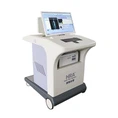
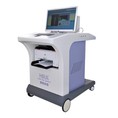
One of the primary ways disease diagnosis equipment contributes to reducing healthcare disparities is by improving access to diagnosis. Portable and easy - to - use diagnostic devices can be deployed in remote and underserved areas. For example, our Health Checkup Machine is a compact and user - friendly device that can perform a wide range of health assessments. It can be taken to rural clinics, mobile health units, and community centers, bringing advanced diagnostic capabilities directly to the people who need them most.
This means that individuals who previously had to travel long distances to reach a large hospital for a simple health check can now get a comprehensive assessment right in their local community. By making diagnosis more accessible, we can detect diseases at an earlier stage, which is crucial for effective treatment and better health outcomes.
Cost - Effectiveness
Another significant advantage of modern disease diagnosis equipment is its cost - effectiveness. Traditional diagnostic methods often involve expensive laboratory tests and complex imaging procedures, which can be a financial burden for many patients, especially those in low - income groups. Our Health Check - up Machine offers a cost - efficient alternative. It can provide multiple diagnostic results in a single test, reducing the need for multiple expensive tests.
This cost - effectiveness not only makes healthcare more affordable for individual patients but also allows healthcare providers in resource - limited settings to offer a wider range of diagnostic services without breaking the bank. As a result, more people can access the necessary diagnostic tests, leading to a more equitable distribution of healthcare resources.
Early Detection and Prevention
Early detection of diseases is key to reducing healthcare disparities. When diseases are detected early, treatment is often more effective, and the risk of complications and long - term health problems is significantly reduced. Our Sub - Health Analyzer is designed to detect subtle changes in the body's physiological functions, even before the onset of obvious symptoms.
By identifying health issues in the early stages, patients can take preventive measures such as lifestyle changes, early treatment, and regular monitoring. This is particularly important for chronic diseases like heart disease, cancer, and diabetes, which are major contributors to healthcare disparities. Early detection can help level the playing field by ensuring that all patients, regardless of their socioeconomic background, have an equal chance of receiving timely and effective treatment.
Empowering Healthcare Providers
Disease diagnosis equipment also empowers healthcare providers in underserved areas. With access to advanced diagnostic tools, healthcare workers in rural and low - resource settings can make more accurate diagnoses and develop appropriate treatment plans. This reduces the need for referrals to distant specialized hospitals, which can be time - consuming and costly for patients.
Moreover, the data collected from these diagnostic devices can be shared with experts in larger medical centers through telemedicine platforms. This allows for remote consultations and collaborative decision - making, enabling healthcare providers in underserved areas to benefit from the expertise of specialists. As a result, the quality of healthcare in these areas can be significantly improved, narrowing the gap between different regions.


Real - World Examples
There are numerous real - world examples of how disease diagnosis equipment is making a difference in reducing healthcare disparities. In some African countries, portable ultrasound machines have been used to screen pregnant women in rural areas. These machines have enabled early detection of pregnancy complications, allowing for timely interventions and reducing maternal and infant mortality rates.
In India, mobile diagnostic vans equipped with Health Checkup Machine have been deployed in slum areas. These vans provide free health check - ups to the residents, including screening for diabetes, hypertension, and other common diseases. This initiative has helped in early detection and management of these diseases, improving the overall health of the community.
Challenges and Future Directions
Despite the significant progress made, there are still challenges in using disease diagnosis equipment to reduce healthcare disparities. One of the main challenges is the lack of proper training for healthcare providers in using these advanced devices. To address this, we offer comprehensive training programs to ensure that healthcare workers can use our equipment effectively.
Another challenge is the need for continuous innovation to make the equipment even more accessible, affordable, and user - friendly. In the future, we plan to develop more advanced diagnostic devices with improved accuracy and functionality. We also aim to integrate artificial intelligence and machine learning technologies into our equipment to enhance the diagnostic process.
Conclusion
Disease diagnosis equipment has the potential to revolutionize healthcare and reduce disparities significantly. By improving access to diagnosis, being cost - effective, enabling early detection and prevention, and empowering healthcare providers, these devices are making healthcare more equitable for all.
As a supplier of disease diagnosis equipment, I am committed to further developing and promoting these technologies to ensure that they reach every corner of the world. If you are interested in learning more about our products or have any questions regarding disease diagnosis equipment for your healthcare facility, please feel free to contact us. We are eager to engage in discussions about procurement and how our solutions can meet your specific needs, contributing to a more equitable healthcare future.
References
- World Health Organization. (2023). Addressing Health Inequalities. Geneva: WHO.
- Institute of Medicine. (2003). Unequal Treatment: Confronting Racial and Ethnic Disparities in Health Care. Washington, DC: The National Academies Press.