



How does disease diagnosis equipment ensure the accuracy of test results in different conditions?
Hey there! I'm a supplier of disease diagnosis equipment, and today I wanna chat about how our amazing gear keeps test results accurate no matter the situation.
First off, let's understand why accuracy in disease diagnosis is super crucial. Whether it's detecting a common cold or a serious illness like cancer, getting accurate results is the first step towards effective treatment. A wrong diagnosis can lead to wrong treatment, which can be really bad for a patient's health. So, how do we make sure our equipment gives reliable results?
One of the key factors is calibration. Our Physical Examination Instruments go through regular and precise calibration processes. Calibration is like tuning a musical instrument to play the right notes. In the case of our diagnosis equipment, it means adjusting it to measure things correctly. For example, a blood glucose meter needs to be calibrated to accurately measure the amount of sugar in the blood. We use high - quality reference standards during calibration. These standards are like a ruler that we know is exactly the right length. They help us make sure that our equipment is measuring within an acceptable range of error.
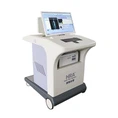
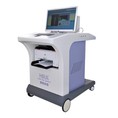
Another important aspect is the quality of sensors. Sensors are like the "eyes" and "ears" of our equipment. They detect different substances and signals in the body. For example, in a Human Health Risk Assessment Instrument, sensors can detect various biomarkers in the body. We invest a lot in developing and using high - quality sensors. These sensors are designed to be very sensitive and specific. Sensitivity means they can detect even very small amounts of substances, while specificity means they can accurately distinguish between different substances. This way, the chances of getting false positives or false negatives are reduced.
But the real world is full of challenges. Different patients have different body conditions, and the environment can also affect test results. For instance, temperature and humidity can impact the performance of some equipment. Our equipment is designed to be robust to these environmental factors. We conduct a lot of tests in different environmental conditions to ensure its stability. For example, the internal components of a Full Body Scanner Machine in Hospital are protected from temperature changes and humidity to maintain its accuracy.
Software also plays a huge role. Our disease diagnosis equipment comes with advanced software algorithms. These algorithms analyze the data collected by the sensors. They can filter out background noise and interference, which might otherwise affect the accuracy of the results. For example, in an electrocardiogram (ECG) machine, the software can remove electrical interference from other medical devices in the room and accurately detect the heart's electrical signals.
Moreover, we have a strict quality control system in place. Every piece of equipment goes through multiple levels of testing before it leaves our factory. We check for functionality, accuracy, and reliability. We also simulate different real - life situations to make sure the equipment performs well. And during the manufacturing process, we use high - quality materials and follow strict manufacturing standards.
Now, let's talk about how these solutions adapt to different types of diseases. For infectious diseases, our equipment often focuses on detecting specific pathogens. For example, in a virus detection test, the sensors are designed to identify the unique genetic material or proteins of the virus. The software algorithms then analyze the data to confirm the presence of the virus. For chronic diseases like diabetes or heart disease, our equipment can monitor various parameters over time. By continuously collecting and analyzing data, we can detect early signs of these diseases and provide more accurate diagnoses.
In addition to these technical aspects, we also provide ongoing support to our customers. We offer training to the medical staff who use our equipment. This helps them understand how to operate the equipment correctly and interpret the results accurately. We also have a customer service team that can answer any questions and provide troubleshooting help if there are any issues with the equipment.
In conclusion, our disease diagnosis equipment uses a combination of calibration, high - quality sensors, environmental adaptability, advanced software, strict quality control, and ongoing support to ensure the accuracy of test results in different conditions. If you're in the market for reliable disease diagnosis equipment, we'd love to talk to you. Whether you're a small clinic or a large hospital, our products can meet your needs. Reach out to us for a procurement discussion and take a step towards improving the quality of your medical diagnosis.


References:
- Principles of Biomedical Instrumentation, 3rd Edition, John G. Webster
- Handbook of Medical Device Technology, 2nd Edition, Joseph D. Bronzino