



In the face of disease outbreaks, effective management is crucial to minimize the spread and impact of diseases. Disease diagnosis equipment plays a pivotal role in this process, offering timely and accurate information that aids in decision - making and control strategies. As a supplier of disease diagnosis equipment, I have witnessed firsthand how these tools contribute to the management of disease outbreaks.
Early Detection and Surveillance
One of the primary ways disease diagnosis equipment helps in disease outbreak management is through early detection. In the initial stages of an outbreak, symptoms may be mild or non - specific, making it difficult to identify the disease quickly. Diagnostic tools such as Health Check - up Machine can perform comprehensive screenings on individuals. These machines can detect a wide range of physiological parameters, including vital signs, blood markers, and organ functions. By analyzing these data, they can identify early signs of infection or other health issues, even before obvious symptoms appear.
For example, during a flu outbreak, a health check - up machine can measure body temperature, blood oxygen levels, and white blood cell counts. Elevated body temperature and abnormal white blood cell counts may indicate an ongoing infection. This early detection allows healthcare providers to isolate infected individuals promptly, reducing the risk of further transmission.
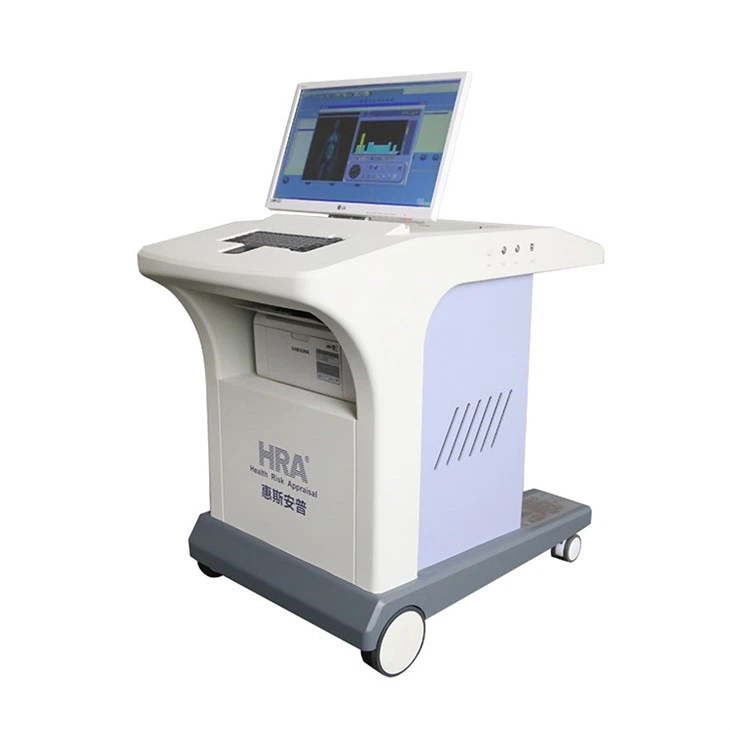
Moreover, disease diagnosis equipment is essential for disease surveillance. Public health agencies rely on data collected from diagnostic tests to monitor the spread of diseases. The Health Risk Appraisal System Machine can collect and analyze data from multiple patients, providing valuable insights into the prevalence, distribution, and trends of a disease. This information helps in identifying hotspots and predicting the future course of an outbreak. For instance, if a large number of positive cases are detected in a particular area using this system, public health officials can allocate resources such as vaccines, medical supplies, and healthcare personnel to that region.
Accurate Diagnosis and Treatment Planning
Accurate diagnosis is the cornerstone of effective disease management. Different diseases may present with similar symptoms, and misdiagnosis can lead to inappropriate treatment and further spread of the disease. Disease diagnosis equipment provides precise information that helps healthcare providers distinguish between various diseases. The HSAP - HRA Health Management Screening System uses advanced algorithms and medical knowledge bases to analyze patient data and generate accurate diagnoses.
Once a diagnosis is made, the equipment also plays a role in treatment planning. For example, in the case of a bacterial infection, diagnostic tests can determine the type of bacteria and its antibiotic susceptibility. This information allows doctors to prescribe the most appropriate antibiotics, increasing the chances of successful treatment and reducing the development of antibiotic - resistant strains. In the context of a disease outbreak, proper treatment of infected individuals not only helps them recover but also prevents the spread of the disease to others.
Resource Allocation
During a disease outbreak, resources such as hospital beds, medical supplies, and healthcare personnel are often in short supply. Disease diagnosis equipment helps in optimizing resource allocation. By accurately identifying the number of infected individuals and the severity of their conditions, healthcare administrators can allocate resources more effectively.
For example, if a large number of patients are diagnosed with a mild form of a disease using diagnostic equipment, they can be treated in outpatient settings, freeing up hospital beds for more severe cases. Additionally, the data collected from diagnostic tests can help in estimating the demand for medical supplies such as vaccines, antiviral drugs, and personal protective equipment (PPE). This allows for better planning and procurement, ensuring that there are sufficient resources to meet the needs of the outbreak.
Contact Tracing
Contact tracing is an important strategy in disease outbreak management. It involves identifying and monitoring individuals who have come into contact with infected persons. Disease diagnosis equipment can assist in this process by providing information about the time and location of infection. For example, some diagnostic tests can estimate the time of infection based on the level of antibodies in the patient's blood.
This information can be used to trace back the contacts of the infected individual and determine the extent of the spread. By quickly identifying and testing these contacts, healthcare providers can isolate and treat those who are infected, preventing further transmission.
Research and Development
Disease diagnosis equipment also contributes to research and development during disease outbreaks. The data collected from these tools can be used by researchers to study the characteristics of the disease, such as its mode of transmission, genetic makeup, and virulence. This research is essential for the development of new vaccines, treatments, and diagnostic methods.

For example, in the case of a novel virus outbreak, researchers can analyze the genetic sequences of the virus obtained from diagnostic tests. This information can help in understanding how the virus mutates and spreads, which is crucial for the development of effective vaccines. Additionally, the data on patient outcomes and treatment responses collected by the equipment can be used to evaluate the effectiveness of different treatment strategies and improve future management of the disease.
Training and Education
Another aspect where disease diagnosis equipment is beneficial is in training and education. Healthcare providers need to be well - trained in using these tools to ensure accurate diagnosis and effective management of disease outbreaks. As a supplier, we offer training programs for healthcare professionals on how to operate our diagnostic equipment.
These training programs not only teach the technical aspects of using the equipment but also provide knowledge on interpreting the results. By having well - trained healthcare providers, the overall quality of disease diagnosis and management improves. Moreover, the equipment can be used as a teaching tool in medical schools and training institutions to educate future healthcare professionals about disease diagnosis and outbreak management.
Conclusion
In conclusion, disease diagnosis equipment is an indispensable tool in the management of disease outbreaks. From early detection and surveillance to accurate diagnosis, treatment planning, resource allocation, contact tracing, research and development, and training and education, these tools play a vital role at every stage of the outbreak management process.
As a supplier of disease diagnosis equipment, we are committed to providing high - quality, reliable, and innovative products to support the global fight against disease outbreaks. Our Health Check - up Machine, Health Risk Appraisal System Machine, and HSAP - HRA Health Management Screening System are designed to meet the diverse needs of healthcare providers and public health agencies.
If you are interested in learning more about our disease diagnosis equipment or are looking to purchase these products for your organization, we encourage you to reach out to us. Our team of experts is ready to assist you in finding the most suitable solutions for your disease outbreak management needs.
References
- World Health Organization. (2020). Guidelines for the management of disease outbreaks.
- Centers for Disease Control and Prevention. (2019). Diagnostic testing in the context of disease outbreaks.
- Smith, J. et al. (2018). The role of diagnostic equipment in public health emergencies. Journal of Public Health Research.