



Disease diagnosis is a critical aspect of modern healthcare, and the use of advanced equipment has revolutionized the way medical professionals identify and treat various conditions. As a disease diagnosis equipment supplier, I have witnessed firsthand the transformative power of these technologies and their ability to work in tandem with other diagnostic tools to provide comprehensive and accurate patient assessments. In this blog, I will explore how disease diagnosis equipment integrates with other diagnostic methods to enhance the diagnostic process and improve patient outcomes.
Understanding the Role of Disease Diagnosis Equipment
Disease diagnosis equipment encompasses a wide range of devices designed to detect, monitor, and analyze various health conditions. These include imaging systems such as X - rays, CT scans, MRI machines, ultrasound devices, and laboratory equipment for blood tests, genetic analysis, and microbiological studies. Each type of equipment has its own unique capabilities and applications, and when used in combination with other diagnostic tools, they can provide a more complete picture of a patient's health.
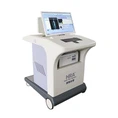
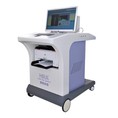
For instance, imaging equipment like the Full Body Check - Up Machine can provide detailed anatomical images of the body, allowing doctors to visualize internal organs, detect tumors, and identify structural abnormalities. These images can then be complemented by laboratory tests, which can provide information about a patient's blood chemistry, immune function, and the presence of pathogens.
Complementary Nature of Diagnostic Tools
One of the key advantages of using disease diagnosis equipment in combination with other diagnostic tools is the ability to cross - reference and validate findings. Different diagnostic methods have their own strengths and limitations, and by combining them, doctors can overcome these limitations and achieve a more accurate diagnosis.
Imaging techniques, while excellent at providing structural information, may not always be able to distinguish between benign and malignant tumors or accurately identify the cause of certain symptoms. Laboratory tests, on the other hand, can provide valuable information about the biochemical and molecular processes occurring in the body, but they may not provide a clear visual representation of the affected area.


By using both imaging and laboratory tests, doctors can correlate the structural findings from the imaging studies with the biochemical data from the laboratory tests. For example, if an MRI scan shows a mass in the liver, a blood test for liver - specific enzymes and tumor markers can help determine whether the mass is likely to be cancerous or benign.
Integration in Clinical Practice
In clinical practice, the integration of disease diagnosis equipment with other diagnostic tools typically follows a step - by - step approach. The process often begins with a thorough medical history and physical examination, which can provide initial clues about the patient's condition. These initial assessments can then guide the selection of appropriate diagnostic tests.
If the patient presents with symptoms such as chest pain, shortness of breath, and fatigue, the doctor may first order an electrocardiogram (ECG) to assess the heart's electrical activity. Based on the results of the ECG, the doctor may then decide to use imaging equipment such as an echocardiogram or a cardiac CT scan to visualize the structure and function of the heart. In addition, blood tests for cardiac enzymes and biomarkers may be ordered to help determine if the patient is experiencing a heart attack or other cardiac conditions.
Another example is in the diagnosis of infectious diseases. A patient with a fever, cough, and sore throat may first undergo a physical examination and a rapid antigen test for common respiratory viruses. If the results are inconclusive, more sophisticated laboratory tests such as polymerase chain reaction (PCR) tests may be performed. Imaging studies, such as a chest X - ray or CT scan, can also be used to assess for signs of pneumonia or other lung infections.
The Role of Technology in Integration
Advancements in technology have played a crucial role in facilitating the integration of disease diagnosis equipment with other diagnostic tools. Electronic health records (EHRs) have made it easier for healthcare providers to access and share patient information across different departments and healthcare facilities. This allows for seamless communication between radiologists, laboratory technicians, and other members of the healthcare team, enabling them to collaborate and interpret test results more effectively.
In addition, artificial intelligence (AI) and machine learning algorithms are being increasingly used to analyze and interpret data from multiple diagnostic sources. These algorithms can identify patterns and correlations in the data that may not be apparent to human observers, helping doctors make more accurate and timely diagnoses. For example, AI - powered software can analyze a patient's medical images, laboratory results, and medical history to generate a risk assessment for certain diseases or recommend the most appropriate follow - up tests.
Benefits for Patients
The integration of disease diagnosis equipment with other diagnostic tools offers numerous benefits for patients. Firstly, it leads to more accurate diagnoses, which means that patients can receive the most appropriate treatment for their conditions at an earlier stage. This can improve the chances of successful treatment and recovery, as well as reduce the risk of complications and long - term health problems.
Secondly, this approach can also reduce the need for multiple invasive or uncomfortable tests. For example, if a combination of non - invasive imaging tests and laboratory tests can accurately diagnose a condition, there may be no need for a more invasive biopsy. This can improve the patient experience and reduce the associated risks and costs.
Conclusion: Encouraging Collaboration and Procurement
In conclusion, the combination of disease diagnosis equipment with other diagnostic tools is a powerful approach that can significantly enhance the diagnostic process and improve patient outcomes. As a disease diagnosis equipment supplier, I am committed to providing high - quality, state - of - the - art equipment that can seamlessly integrate with other diagnostic methods.
Our Health Check - up Machine and Full Body Checkup Machine are designed to work in harmony with other diagnostic tools, providing comprehensive and accurate health assessments. Whether you are a small clinic, a large hospital, or a research institution, our equipment can help you improve the quality of care you provide to your patients.
If you are interested in learning more about our disease diagnosis equipment and how it can be integrated into your existing diagnostic workflow, I encourage you to reach out to us. We are happy to discuss your specific needs, provide product demonstrations, and answer any questions you may have. Let's work together to advance the field of disease diagnosis and improve the health of patients around the world.
References
- Harrison's Principles of Internal Medicine, 20th Edition, McGraw - Hill Education
- Diagnostic Imaging: Principles and Applications, 3rd Edition, Lippincott Williams & Wilkins
- Clinical Laboratory Medicine, 7th Edition, Wolters Kluwer Health