


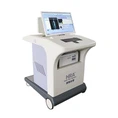

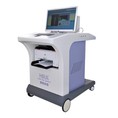
As a supplier of PEMF (Pulsed Electromagnetic Field) equipment, I've had numerous inquiries about how our devices work on a cellular level. Understanding this mechanism is crucial for anyone considering PEMF therapy, whether for personal health or in a professional medical setting. In this blog, I'll delve into the science behind PEMF equipment and explain how it interacts with our cells to potentially promote health and well - being.
The Basics of PEMF
PEMF technology involves the use of electromagnetic fields that are pulsed at specific frequencies and intensities. These pulsed magnetic fields are generated by our Pemf Pulse Therapy Equipment. Unlike static magnetic fields, which remain constant, PEMF fields change over time, which allows for a more dynamic interaction with biological tissues.
Cellular Structure and Function
To understand how PEMF works on a cellular level, we first need to have a basic understanding of cell structure and function. Cells are the building blocks of our bodies, and they perform a wide range of functions, from energy production to waste removal. Each cell is surrounded by a cell membrane, which acts as a barrier, controlling the movement of substances in and out of the cell. Inside the cell, there are various organelles, such as the mitochondria, which are responsible for energy production, and the nucleus, which contains the cell's genetic material.
Interaction with the Cell Membrane
One of the primary ways PEMF equipment affects cells is through its interaction with the cell membrane. The cell membrane is made up of a lipid bilayer with embedded proteins that act as channels and pumps. These channels and pumps are responsible for transporting ions, such as sodium, potassium, and calcium, across the cell membrane.
When a PEMF is applied to the body, the changing magnetic field induces an electric current in the tissues. This electric current can affect the ion channels in the cell membrane. For example, it can cause the ion channels to open or close, which in turn affects the movement of ions across the membrane. This change in ion movement can lead to a change in the cell's membrane potential, which is the difference in electrical charge between the inside and outside of the cell.
A change in membrane potential can have several effects on the cell. It can stimulate the cell to take in nutrients more efficiently, as well as expel waste products. This improved nutrient uptake and waste removal can enhance the cell's overall function and metabolism. Additionally, changes in membrane potential can also trigger various cellular signaling pathways, which can lead to the activation of genes involved in cell repair, growth, and regeneration.
Effects on Mitochondria
Mitochondria are often referred to as the "powerhouses" of the cell because they are responsible for producing adenosine triphosphate (ATP), the energy currency of the cell. PEMF has been shown to have a positive effect on mitochondrial function.
The changing magnetic fields generated by our Electromagnetic Pulse Therapy Machine can increase the production of ATP in mitochondria. This is thought to occur through several mechanisms. First, the induced electric currents can enhance the activity of enzymes involved in the ATP production process. Second, PEMF can improve the efficiency of the electron transport chain, which is a key step in ATP synthesis.
Increased ATP production means that cells have more energy available to carry out their functions. This can be particularly beneficial for cells that have high energy demands, such as muscle cells and nerve cells. For example, in muscle cells, increased ATP production can lead to improved muscle strength and endurance. In nerve cells, it can enhance nerve conduction and neurotransmitter release, which can improve neurological function.
Influence on Cellular Signaling Pathways
PEMF can also influence various cellular signaling pathways. These pathways are like a complex network of communication within the cell, allowing it to respond to different stimuli and maintain homeostasis.


One of the signaling pathways affected by PEMF is the mitogen - activated protein kinase (MAPK) pathway. This pathway is involved in cell growth, differentiation, and survival. PEMF can activate the MAPK pathway, leading to the activation of transcription factors that regulate the expression of genes involved in cell repair and regeneration.
Another important signaling pathway is the nuclear factor - kappa B (NF - κB) pathway. This pathway is involved in the regulation of inflammation and immune responses. PEMF has been shown to modulate the NF - κB pathway, which can help reduce inflammation in the body. By reducing inflammation, PEMF can potentially alleviate pain and promote healing in various tissues.
DNA Repair and Gene Expression
At the genetic level, PEMF can also have an impact on DNA repair and gene expression. The induced electric currents from PEMF can cause changes in the conformation of DNA, which can make it more accessible to DNA repair enzymes. This can enhance the cell's ability to repair damaged DNA, reducing the risk of mutations and genetic disorders.
In addition, PEMF can also affect gene expression. By activating certain signaling pathways, PEMF can upregulate or downregulate the expression of specific genes. For example, it can increase the expression of genes involved in collagen synthesis, which is important for tissue repair and wound healing. It can also downregulate the expression of genes involved in inflammation, further contributing to the anti - inflammatory effects of PEMF.
Clinical Applications and Evidence
The effects of PEMF on a cellular level have led to a wide range of clinical applications. Our Magnetic Field Therapy Machine has been used in the treatment of various conditions, including musculoskeletal disorders, neurological conditions, and skin diseases.
In musculoskeletal disorders, such as arthritis and fractures, PEMF can help reduce pain, inflammation, and promote tissue repair. By improving cellular function and metabolism, it can enhance the regeneration of cartilage and bone tissue. In neurological conditions, such as stroke and Alzheimer's disease, PEMF may help improve nerve function and cognitive abilities by enhancing mitochondrial function and neurotransmitter release.
Numerous studies have provided evidence for the effectiveness of PEMF therapy. For example, a study published in the Journal of Alternative and Complementary Medicine found that PEMF therapy significantly reduced pain and improved function in patients with knee osteoarthritis. Another study in the International Journal of Neuroscience showed that PEMF improved cognitive function in patients with mild cognitive impairment.
Conclusion and Call to Action
In conclusion, PEMF equipment works on a cellular level by interacting with the cell membrane, mitochondria, cellular signaling pathways, and genetic material. These interactions can lead to improved cellular function, enhanced energy production, reduced inflammation, and increased tissue repair and regeneration.
If you're interested in learning more about our PEMF equipment and how it can benefit your health or the health of your patients, we invite you to contact us for a detailed discussion. Whether you're a healthcare professional looking to incorporate PEMF therapy into your practice or an individual seeking a natural way to improve your well - being, our team of experts is ready to assist you. We can provide you with more information about our products, their features, and how they can be customized to meet your specific needs. Start exploring the potential of PEMF therapy today and discover a new approach to health and healing.
References
- Binhi, V. N. (2002). Electromagnetic field effects on biological systems: from basic research to practical applications. Springer Science & Business Media.
- Lednev, V. V. (1991). A unified hypothesis of the possible biological effects of weak electromagnetic fields. Bioelectromagnetics, 12(3), 281 - 291.
- Oschman, J. L., Pawluk, R., & Brown, R. (2007). Energy medicine: the scientific basis. Churchill Livingstone.
- Rines, H. E., & Sussman, B. M. (1984). The use of pulsing electromagnetic fields (PEMF) in the treatment of non - union fractures and failed arthrodeses. Clinical orthopaedics and related research, (189), 177 - 185.