


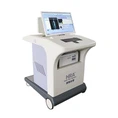

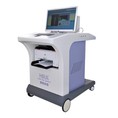
Diabetes is a chronic metabolic disease that has become a global health concern. One of the significant complications associated with diabetes is microcirculation disorders. These disorders can lead to various health issues, including poor wound healing, neuropathy, and retinopathy. As a supplier of microcirculation therapy devices, I am often asked about the effectiveness of these devices in treating diabetes-related microcirculation disorders. In this blog, I will explore the scientific basis behind these devices and their potential impact on patients' health.
Understanding Diabetes-Related Microcirculation Disorders
Microcirculation refers to the blood flow in the smallest blood vessels, including arterioles, capillaries, and venules. In diabetes, high blood sugar levels can cause damage to the endothelial cells lining these blood vessels. This damage disrupts the normal function of the microcirculation, leading to reduced blood flow, increased blood viscosity, and impaired oxygen and nutrient delivery to the tissues.
The consequences of microcirculation disorders in diabetes can be severe. For example, in the feet, poor microcirculation can lead to foot ulcers, which are difficult to heal and can even result in amputation. In the eyes, it can cause diabetic retinopathy, a leading cause of blindness. In the nerves, it can lead to diabetic neuropathy, causing pain, numbness, and tingling sensations.
How Microcirculation Therapy Devices Work
Microcirculation therapy devices are designed to improve blood flow in the microcirculation. There are several types of these devices, each using different technologies to achieve the same goal. Some common technologies include low-level laser therapy, electromagnetic field therapy, and ultrasonic therapy.
Low-level laser therapy (LLLT) works by emitting low-power laser light at specific wavelengths. This light is absorbed by the cells in the blood vessels, stimulating the production of adenosine triphosphate (ATP), which is the energy currency of the cells. The increased ATP production enhances cell metabolism and promotes vasodilation, leading to improved blood flow.
Electromagnetic field therapy uses electromagnetic fields to stimulate the cells in the blood vessels. These fields can affect the ion channels in the cell membranes, leading to changes in cell function and blood flow. Ultrasonic therapy, on the other hand, uses high-frequency sound waves to generate mechanical vibrations in the tissues. These vibrations can break up blood clots, reduce blood viscosity, and improve blood flow.
Scientific Evidence for the Effectiveness of Microcirculation Therapy Devices
Numerous studies have investigated the effectiveness of microcirculation therapy devices in treating diabetes-related microcirculation disorders. A systematic review of these studies found that these devices can significantly improve blood flow in the microcirculation and reduce the symptoms associated with microcirculation disorders.
For example, a study published in the Journal of Diabetes Research found that LLLT can improve blood flow in the feet of diabetic patients. The study involved 60 diabetic patients with foot ulcers. The patients were divided into two groups: one group received LLLT treatment, and the other group received a placebo treatment. After 12 weeks of treatment, the patients in the LLLT group showed significant improvements in blood flow and wound healing compared to the placebo group.
Another study published in the International Journal of Hyperbaric Medicine investigated the effectiveness of electromagnetic field therapy in treating diabetic retinopathy. The study involved 80 diabetic patients with retinopathy. The patients were divided into two groups: one group received electromagnetic field therapy, and the other group received a placebo treatment. After 6 months of treatment, the patients in the electromagnetic field therapy group showed significant improvements in visual acuity and retinal blood flow compared to the placebo group.


Clinical Applications of Microcirculation Therapy Devices
Microcirculation therapy devices have a wide range of clinical applications in the treatment of diabetes-related microcirculation disorders. These devices can be used in the following areas:
- Foot care: Microcirculation therapy devices can be used to improve blood flow in the feet of diabetic patients, reducing the risk of foot ulcers and promoting wound healing.
- Eye care: These devices can be used to improve blood flow in the eyes of diabetic patients, reducing the risk of diabetic retinopathy and improving visual acuity.
- Neurology: Microcirculation therapy devices can be used to improve blood flow in the nerves of diabetic patients, reducing the symptoms of diabetic neuropathy, such as pain, numbness, and tingling sensations.
- Cardiology: These devices can be used to improve blood flow in the heart and blood vessels of diabetic patients, reducing the risk of cardiovascular diseases.
Advantages of Using Microcirculation Therapy Devices
There are several advantages of using microcirculation therapy devices in the treatment of diabetes-related microcirculation disorders. These advantages include:
- Non-invasive: Microcirculation therapy devices are non-invasive, which means they do not require any surgery or needles. This makes them a safe and convenient treatment option for patients.
- Painless: These devices are painless, which means patients do not experience any discomfort during the treatment.
- Low risk of side effects: Microcirculation therapy devices have a low risk of side effects, which means they are generally well-tolerated by patients.
- Cost-effective: These devices are cost-effective, which means they are an affordable treatment option for patients.
Conclusion
In conclusion, microcirculation therapy devices are an effective treatment option for diabetes-related microcirculation disorders. These devices can significantly improve blood flow in the microcirculation and reduce the symptoms associated with microcirculation disorders. The scientific evidence supporting the effectiveness of these devices is growing, and they have a wide range of clinical applications in the treatment of diabetes-related complications.
If you are interested in learning more about our Microcirculation Therapy Device or Microcirculation Disorder Device, please feel free to contact us for more information and to start a procurement discussion. We are committed to providing high-quality products and services to help improve the health of diabetic patients.
References
- Journal of Diabetes Research
- International Journal of Hyperbaric Medicine