



In the field of modern healthcare, disease diagnosis equipment plays a pivotal role in identifying and understanding various health conditions. As a supplier of disease diagnosis equipment, I often encounter questions regarding the accuracy of these devices. This blog aims to delve into the factors that influence the accuracy of disease diagnosis equipment and provide a comprehensive perspective on this critical topic.
Understanding the Concept of Accuracy in Disease Diagnosis Equipment
Accuracy in disease diagnosis equipment refers to the degree to which the device can correctly identify the presence or absence of a disease. It is a multi - faceted concept that encompasses sensitivity, specificity, and predictive values. Sensitivity measures the ability of the equipment to correctly identify those who have the disease, while specificity refers to its ability to correctly identify those who do not have the disease. Predictive values, on the other hand, estimate the probability that a positive or negative test result accurately reflects the true disease status.
Factors Affecting the Accuracy of Disease Diagnosis Equipment
1. Technological Limitations
The technology underlying disease diagnosis equipment is constantly evolving, but it still has its limitations. For example, some imaging techniques may not be able to detect very small lesions or early - stage diseases. In the case of blood - based diagnostic tests, there may be cross - reactivity with other substances in the blood, leading to false - positive or false - negative results. Newer technologies are being developed to overcome these limitations, but it takes time for them to be fully validated and integrated into clinical practice.
2. Operator Skill and Training
The accuracy of disease diagnosis equipment is also highly dependent on the skill and training of the operators. Even the most advanced equipment can produce inaccurate results if it is not used correctly. For instance, in ultrasound imaging, the quality of the images and the accuracy of the diagnosis can vary significantly depending on the operator's ability to position the probe correctly and interpret the images. Proper training programs are essential to ensure that operators can use the equipment to its full potential and obtain accurate results.
3. Sample Quality
The quality of the sample being tested is another crucial factor. If the sample is contaminated, degraded, or not collected properly, it can lead to inaccurate test results. For example, in a urine test, if the sample is not collected mid - stream or is left at room temperature for too long, it can affect the accuracy of the test. Similarly, in tissue biopsies, the location and size of the sample can impact the diagnostic accuracy.
4. Disease Heterogeneity
Diseases are often heterogeneous, meaning that they can present in different ways in different individuals. This can make it challenging for disease diagnosis equipment to accurately identify all cases. For example, some cancers may have different genetic mutations or histological features, which can affect the performance of diagnostic tests. Additionally, the stage of the disease at the time of testing can also influence the accuracy of the equipment. Early - stage diseases may be more difficult to detect than advanced ones.
Evaluating the Accuracy of Disease Diagnosis Equipment
To assess the accuracy of disease diagnosis equipment, several methods are commonly used. Clinical trials are one of the most important ways to evaluate the performance of new diagnostic devices. These trials involve comparing the results of the new equipment with a gold - standard diagnostic method in a large number of patients. Sensitivity, specificity, and predictive values are calculated based on the data collected from these trials.
Another approach is to conduct meta - analyses, which combine the results of multiple studies to provide a more comprehensive assessment of the accuracy of the equipment. This can help to account for the variability in study design and patient populations across different studies.
Examples of Disease Diagnosis Equipment and Their Accuracy
Health Risk Appraisal System
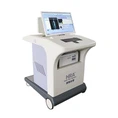
The Health Risk Appraisal System is designed to assess an individual's risk of developing certain diseases based on various factors such as lifestyle, family history, and physiological parameters. While it can provide valuable insights into a person's health status, its accuracy is limited by the fact that it is based on statistical models and assumptions. The system may not be able to accurately predict the development of diseases in individuals with unique risk factors or those who deviate from the general population norms.
Body Check Up Machine
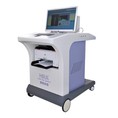
The Body Check Up Machine is a comprehensive diagnostic device that can perform multiple tests simultaneously. These machines often use a combination of imaging, biochemical, and physiological measurements to provide a detailed assessment of a person's health. However, the accuracy of these machines can be affected by the same factors mentioned above, such as technological limitations, operator skill, and sample quality.
Full Body Checkup Machine
The Full Body Checkup Machine offers a more in - depth evaluation of the body's organs and systems. It can detect a wide range of diseases, including some that may be asymptomatic. However, like other diagnostic equipment, its accuracy is not absolute. Some diseases may still be missed, especially in the early stages, and false - positive results can also occur, leading to unnecessary further testing and anxiety for the patients.
Improving the Accuracy of Disease Diagnosis Equipment
To improve the accuracy of disease diagnosis equipment, continuous research and development are essential. This includes the development of new technologies, such as more sensitive and specific biomarkers, advanced imaging techniques, and artificial intelligence - based diagnostic tools. Additionally, improving the training of operators and standardizing sample collection and handling procedures can also help to enhance the accuracy of the equipment.
Conclusion
In conclusion, the accuracy of disease diagnosis equipment is a complex issue that is influenced by multiple factors. While these devices have made significant contributions to modern healthcare, they are not infallible. As a supplier of disease diagnosis equipment, we are committed to providing high - quality products and supporting ongoing research to improve their accuracy.


If you are interested in learning more about our disease diagnosis equipment or are considering a purchase, we encourage you to reach out to us for a detailed discussion. We are happy to provide you with more information on the accuracy and performance of our products and to assist you in making an informed decision.
References
- Bland, J. M., & Altman, D. G. (1986). Statistical methods for assessing agreement between two methods of clinical measurement. The Lancet, 327(8476), 307 - 310.
- Guyatt, G. H., Rennie, D., Meade, M. O., & Cook, D. J. (Eds.). (2008). Users' guides to the medical literature: A manual for evidence - based clinical practice. AMA Press.
- Sackett, D. L., Straus, S. E., Richardson, W. S., Rosenberg, W., & Haynes, R. B. (2000). Evidence - based medicine: How to practice and teach EBM. Churchill Livingstone.