


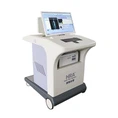

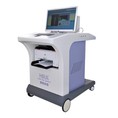
In the realm of modern healthcare, the search for effective, non - invasive treatment methods has never been more intense. Among the emerging options, magnetic field therapy has caught the attention of many patients and healthcare professionals. As a supplier of magnetic field therapy machines, I am often asked whether these machines are better than traditional treatments. In this blog, I will explore this question from multiple perspectives.
Understanding Magnetic Field Therapy Machines
Magnetic field therapy machines, such as the Magnetic Field Therapy Machine, use electromagnetic fields to interact with the body's cells and tissues. The concept behind this therapy is based on the knowledge that the human body has its own bio - electrical and magnetic fields. External magnetic fields can potentially influence these internal fields, promoting various physiological responses.
One type of magnetic field therapy machine is the Pulsed Magnetic Field Therapy Machine, which emits pulsed magnetic fields. These pulsed fields can penetrate deep into the body, reaching areas that may be difficult to access with topical treatments. They are believed to stimulate blood circulation, reduce inflammation, and enhance cell repair processes. Another option is the Pemf Pulse Therapy Equipment, which uses Pulsed Electromagnetic Field (PEMF) technology. PEMF therapy is thought to influence cell metabolism and improve the function of cells, potentially leading to overall health benefits.
Advantages Compared to Traditional Treatments
Non - Invasiveness
One of the most significant advantages of magnetic field therapy machines is their non - invasiveness. Traditional treatments such as surgery or injections can be painful, carry risks of infection, and require a significant recovery period. In contrast, magnetic field therapy is a non - contact treatment. Patients simply need to be in the vicinity of the machine, and the magnetic fields do their work. This makes it an attractive option for individuals who are afraid of needles or invasive procedures, or for those who are not suitable candidates for surgery due to various health reasons.
Fewer Side Effects
Traditional treatments often come with a range of side effects. For example, many medications can cause adverse reactions such as nausea, dizziness, or liver damage. Surgical procedures can lead to complications like bleeding, scarring, and nerve damage. Magnetic field therapy, on the other hand, has relatively few reported side effects. Some patients may experience mild discomfort during treatment, but this is usually temporary and far less severe than the side effects associated with many traditional treatments.
Potential for Holistic Healing
Magnetic field therapy aims to support the body's natural healing mechanisms. By promoting blood circulation and cell repair at a systemic level, it has the potential to address the root causes of various health issues rather than just alleviating symptoms. Traditional treatments, especially in Western medicine, often focus on symptomatic relief. For instance, painkillers can reduce pain but may not actually heal the underlying problem. In this sense, magnetic field therapy offers a more holistic approach to healthcare.
Limitations and Challenges
Lack of Consensus in the Medical Community
Despite the potential benefits, there is still a lack of consensus in the medical community regarding the effectiveness of magnetic field therapy. Some medical professionals are skeptical because the scientific evidence is not as extensive or conclusive as that for traditional treatments. Many of the studies on magnetic field therapy have small sample sizes or methodological limitations. This lack of strong scientific backing can make it difficult for patients and healthcare providers to fully embrace magnetic field therapy as a mainstream treatment option.
Cost
Magnetic field therapy machines can be relatively expensive. The initial investment for purchasing a high - quality machine is significant, and this cost may be passed on to patients if they are receiving treatment in a clinical setting. In contrast, many traditional treatments, such as over - the - counter medications, are more affordable and widely accessible. This cost factor can be a barrier for some patients who are considering magnetic field therapy.
Real - World Applications and Case Studies
Although there is a need for more research, there are some real - world examples where magnetic field therapy has shown promise. In sports medicine, some athletes have reported faster recovery from injuries when using magnetic field therapy machines. For example, a professional soccer player who suffered a ligament injury was able to return to the field earlier than expected after a course of PEMF therapy. The therapy was believed to have enhanced blood flow to the injured area, promoting faster tissue repair.
In the field of pain management, patients with chronic back pain have found relief with magnetic field therapy. One patient who had been suffering from back pain for years and had tried various traditional treatments, including physical therapy and painkillers, finally found improvement after using a magnetic field therapy machine at home. The machine was able to reduce the pain and inflammation, allowing the patient to have a better quality of life.
The Future of Magnetic Field Therapy
As technology advances, we can expect to see more sophisticated magnetic field therapy machines. These new machines may have better control over the strength, frequency, and duration of the magnetic fields, leading to more targeted and effective treatments. Additionally, as more high - quality research is conducted, the medical community may become more accepting of magnetic field therapy as a valid treatment option.
Making an Informed Decision
When considering whether a magnetic field therapy machine is better than traditional treatments, patients and healthcare providers should conduct a thorough assessment. Factors such as the nature and severity of the condition, cost, and personal preferences need to be taken into account. In some cases, a combination of traditional treatments and magnetic field therapy may be the most effective approach.


As a supplier of magnetic field therapy machines, I am committed to providing high - quality products and up - to - date information. If you are interested in learning more about magnetic field therapy machines or exploring whether they are suitable for your needs, I encourage you to reach out for a procurement discussion. We can work together to find the best solution for your specific situation.
References
- Weintraub, M. I. (2005). Clinical use of electromagnetic pulses: An evidence - based review. Journal of Clinical Rheumatology, 11(2), 103 - 108.
- Binhi, V. N. (2002). Biological effects of static magnetic fields. Bioelectromagnetics, 23(6), 453 - 461.
- Oschman, J. L. (2007). Energy medicine in therapeutics and human performance. Butterworth - Heinemann.