


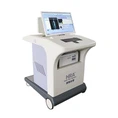

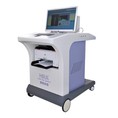
Is training required to operate a full body check - up machine?


As a supplier of full body check - up machines, I've encountered numerous inquiries from potential clients regarding the necessity of training to operate these sophisticated devices. In this blog, I aim to delve into this topic comprehensively, offering insights based on industry knowledge and real - world experiences.
The Complexity of Full Body Check - up Machines
Full body check - up machines, such as the Health Risk Appraisal System, Health Check - up Machine, and Health Risk Appraisal System Machine, are advanced pieces of medical technology. They are designed to perform a wide range of diagnostic tests, from analyzing physiological parameters to detecting potential health risks. These machines often utilize cutting - edge sensors, software algorithms, and data processing techniques.
The complexity of these machines lies in their multi - functional nature. For instance, a typical full body check - up machine can measure blood pressure, heart rate, blood oxygen levels, and even perform basic imaging functions in some cases. Each of these functions has its own set of operating procedures and requirements. The software interface of these machines may also be quite intricate, with various menus, settings, and data display options.
Reasons Why Training is Necessary
Ensuring Accurate Results
One of the primary reasons for training is to ensure the accuracy of the test results. Incorrect operation of the machine can lead to inaccurate readings, which can have serious consequences for patients. For example, if the sensors are not properly attached or calibrated, the measured values of vital signs may be distorted. Training helps operators understand how to correctly position the sensors, set the appropriate parameters, and interpret the data output. This way, the medical professionals can rely on the results to make informed decisions about the patient's health.
Preventing Machine Damage
Full body check - up machines are expensive and delicate equipment. Improper handling can cause damage to the machine, leading to costly repairs or even replacement. Training teaches operators how to properly clean, maintain, and store the machine. They learn about the dos and don'ts of machine operation, such as avoiding excessive force when using the controls or not exposing the machine to extreme environmental conditions. By following the correct procedures, the lifespan of the machine can be significantly extended.
Compliance with Regulations
In many countries, there are strict regulations regarding the operation of medical equipment. Healthcare facilities are required to ensure that their staff are properly trained to operate these machines. Failure to comply with these regulations can result in legal penalties. Training programs often include information on relevant laws and regulations, ensuring that operators are aware of their responsibilities and can operate the machines in a legally compliant manner.
Types of Training
Theoretical Training
Theoretical training forms the foundation of operating a full body check - up machine. It includes learning about the machine's technical specifications, the principles behind its various functions, and the medical concepts related to the tests it performs. For example, operators learn about how blood pressure is measured, what normal and abnormal values mean, and how different factors can affect the measurement. This theoretical knowledge helps operators understand the "why" behind the operating procedures.
Practical Training
Practical training is equally important. It allows operators to gain hands - on experience with the machine. They learn how to set up the machine, connect the sensors, start the tests, and record the results. Practical training also includes troubleshooting exercises, where operators learn how to identify and resolve common problems that may occur during operation. For example, they learn how to deal with sensor malfunctions or software glitches.
Training Programs Offered by Our Company
As a supplier, we understand the importance of providing comprehensive training programs for our clients. Our training programs are designed to meet the needs of different users, whether they are healthcare professionals in large hospitals or operators in small clinics.
On - site Training
We offer on - site training, where our experienced trainers visit the client's facility. This allows the operators to learn in their actual working environment, using the specific machine they will be operating. The trainers provide both theoretical and practical training, and they are available to answer any questions the operators may have.
Online Training
In addition to on - site training, we also provide online training courses. These courses are accessible from anywhere with an internet connection, making it convenient for operators who may not be able to attend on - site training. The online courses include video tutorials, interactive quizzes, and downloadable manuals. Operators can learn at their own pace and review the materials as needed.
Conclusion
In conclusion, training is absolutely necessary to operate a full body check - up machine. It ensures accurate results, prevents machine damage, and ensures compliance with regulations. As a supplier, we are committed to providing high - quality training programs to our clients. Our goal is to empower the operators with the knowledge and skills they need to operate the machines effectively and safely.
If you are interested in purchasing a full body check - up machine or have any questions about our training programs, we encourage you to contact us for a detailed discussion. Our team of experts is ready to assist you in making the right decision for your healthcare facility.
References
- Medical Device Regulations Handbook, [Publisher's Name], [Year of Publication]
- Principles of Medical Equipment Operation, [Author's Name], [Year of Publication]
- Best Practices in Healthcare Equipment Training, [Research Institute], [Year of Publication]