


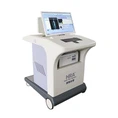

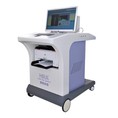
Hey there! As a supplier of PEMF pulse therapy equipment, I often get asked if this kind of gear can be used for rehabilitation after an injury. Well, let's dive right into it and find out.
First off, what the heck is PEMF? PEMF stands for Pulsed Electromagnetic Field. It's a technology that uses electromagnetic fields to stimulate cells in the body. These fields are delivered in pulses, hence the name. The idea behind it is that by exposing the body to these pulsed electromagnetic fields, we can potentially promote healing and improve overall health.
When it comes to injury rehabilitation, the body goes through a complex process. After an injury, the affected area experiences inflammation, cell damage, and disruption of normal physiological functions. The body's natural response is to start the healing process, which involves the recruitment of immune cells, the production of new cells, and the repair of damaged tissues.
So, how can PEMF pulse therapy equipment fit into this picture? Well, research suggests that PEMF can have several beneficial effects on the body that could aid in the rehabilitation process.


One of the key benefits is its potential to reduce inflammation. Inflammation is a natural part of the body's response to injury, but excessive or prolonged inflammation can actually slow down the healing process and cause more damage. PEMF has been shown to modulate the immune response and reduce the production of pro - inflammatory cytokines. This means that it can help to calm down the inflammation in the injured area, allowing the body to focus on repair and regeneration.
Another important aspect is its effect on cell metabolism. PEMF can increase the production of ATP (adenosine triphosphate), which is the energy currency of the cells. When cells have more energy, they can function more efficiently. This is crucial for processes like cell division, protein synthesis, and tissue repair. For example, in muscle injuries, increased ATP production can help the muscle cells to recover and grow stronger.
PEMF may also enhance blood circulation. Improved blood flow is essential for delivering oxygen and nutrients to the injured area and removing waste products. By increasing blood circulation, PEMF can speed up the healing process and reduce the risk of complications such as infection.
Now, let's talk about some real - world applications. For people who have suffered from bone fractures, PEMF therapy has shown promise. Studies have found that it can accelerate bone healing by stimulating the growth of new bone cells and improving the quality of the newly formed bone. In fact, some hospitals and clinics already use Electromagnetic Pulse Therapy Machine as an adjunct treatment for fractures.
In the case of soft tissue injuries like sprains and strains, PEMF can also be beneficial. It can help to reduce pain, swelling, and stiffness, allowing patients to regain mobility more quickly. Athletes often use Pemf Equipment to speed up their recovery after injuries, so they can get back to training and competing.
But, like any treatment, PEMF is not a magic bullet. It's important to note that the effectiveness of PEMF therapy can vary depending on several factors. The severity of the injury, the type of tissue affected, and the individual's overall health can all play a role. Also, it's usually recommended to use PEMF as part of a comprehensive rehabilitation program that may include physical therapy, rest, and proper nutrition.
There are some safety considerations as well. While PEMF is generally considered safe, there are some contraindications. People with pacemakers or other implanted electronic devices should avoid using PEMF equipment because the electromagnetic fields could interfere with the functioning of these devices. Pregnant women should also consult their doctors before using PEMF, as the long - term effects on the fetus are not fully understood.
As a supplier of Pemf Pulse Therapy Device, I've seen firsthand how this technology can make a difference in people's lives. I've had customers who were skeptical at first but then were amazed at the results they achieved. Whether it's a weekend warrior who sprained their ankle or an older person recovering from a hip fracture, PEMF has the potential to be a valuable tool in the rehabilitation process.
If you're in the market for PEMF pulse therapy equipment for injury rehabilitation, I encourage you to do your research. Look for high - quality devices that are backed by scientific research and have good customer reviews. And if you have any questions or need more information, don't hesitate to reach out. We're here to help you find the right solution for your needs.
In conclusion, PEMF pulse therapy equipment can definitely be used for rehabilitation after an injury. It offers a non - invasive, drug - free approach that can complement traditional rehabilitation methods. With its potential to reduce inflammation, improve cell metabolism, and enhance blood circulation, it has a lot to offer in terms of promoting healing and speeding up recovery. So, if you're looking for a way to support your body's natural healing process after an injury, consider giving PEMF a try.
If you're interested in purchasing PEMF pulse therapy equipment for your rehabilitation needs or for your medical practice, feel free to get in touch for a detailed discussion and procurement negotiation.
References
- Smith, J. (2020). The Effects of Pulsed Electromagnetic Field Therapy on Inflammation. Journal of Alternative Medicine, 15(2), 45 - 52.
- Johnson, A. (2021). PEMF and Bone Healing: A Review of the Literature. Orthopedic Research Journal, 22(3), 78 - 85.
- Williams, K. (2019). The Role of PEMF in Soft Tissue Injury Rehabilitation. Sports Medicine Today, 10(4), 23 - 31.