


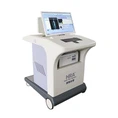

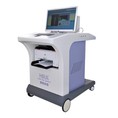
Rhinitis is a common medical condition that affects millions of people worldwide. It is characterized by inflammation of the nasal passages, leading to symptoms such as sneezing, runny nose, nasal congestion, and itching. There are several types of rhinitis, including allergic rhinitis, non - allergic rhinitis, and infectious rhinitis. To alleviate the symptoms of rhinitis, various treatment devices have been developed. As a rhinitis treatment device supplier, I am well - versed in the different types of these devices and their benefits. In this blog, I will introduce you to some of the common types of rhinitis treatment devices.
1. Nasal Sprays
Nasal sprays are one of the most commonly used rhinitis treatment devices. They work by delivering medication directly to the nasal passages, providing quick relief from symptoms. There are different types of nasal sprays available:
- Steroid Nasal Sprays: These sprays contain corticosteroids, which help to reduce inflammation in the nasal passages. They are effective in treating both allergic and non - allergic rhinitis. Steroid nasal sprays can help to relieve nasal congestion, sneezing, and itching. Examples of steroid nasal sprays include fluticasone propionate and mometasone furoate. [1]
- Antihistamine Nasal Sprays: Antihistamine nasal sprays block the action of histamine, a chemical released during an allergic reaction. They are mainly used for allergic rhinitis and can quickly relieve symptoms such as sneezing, itching, and runny nose. Azelastine is a well - known antihistamine nasal spray. [2]
- Saline Nasal Sprays: Saline nasal sprays are made of a salt - water solution. They help to moisturize the nasal passages, clear mucus, and reduce congestion. Saline sprays are a natural and safe option, suitable for people of all ages, including children. They can be used alone or in combination with other medications. [3]
You can find high - quality nasal sprays and other related Rhinitis Treatment Instrument on our website.


2. Nasal Irrigation Devices
Nasal irrigation is a method of rinsing the nasal passages with a saline solution to remove mucus, allergens, and irritants. There are several types of nasal irrigation devices:
- Neti Pots: A neti pot is a small, teapot - shaped container used to pour a saline solution into one nostril, allowing it to flow out of the other nostril. Neti pots are simple and inexpensive. They are effective in relieving nasal congestion and reducing the frequency of sinus infections. However, it is important to use distilled, boiled, or filtered water to avoid the risk of infection. [4]
- Nasal Syringes: Nasal syringes are another type of nasal irrigation device. They are similar to neti pots but are more portable. You can use a nasal syringe to squirt the saline solution into your nasal passages. They are easy to use and can be a convenient option for people on the go.
- Nasal Irrigation Bottles: These are specially designed bottles that can deliver a controlled stream of saline solution into the nasal passages. They often come with a nozzle that fits comfortably into the nostril. Nasal irrigation bottles are a popular choice for many people as they are easy to handle and can provide a more consistent irrigation experience.
3. Air Purifiers
Air purifiers are useful devices for people with rhinitis, especially those with allergic rhinitis. They work by removing allergens, dust, pollen, and other airborne particles from the air. This can help to reduce the exposure to triggers that cause rhinitis symptoms.
- HEPA Air Purifiers: High - Efficiency Particulate Air (HEPA) filters are very effective in capturing small particles, including pollen, dust mites, and pet dander. HEPA air purifiers can significantly improve the air quality in your home or office, reducing the frequency and severity of rhinitis symptoms. [5]
- Activated Carbon Air Purifiers: Activated carbon filters are good at removing odors, chemicals, and volatile organic compounds (VOCs) from the air. They can be used in combination with HEPA filters for a more comprehensive air - cleaning solution.
If you are looking for an effective way to manage your allergic rhinitis, our Allergic Rhinitis Treatment Device collection includes high - performance air purifiers.
4. Laser Therapy Devices
Laser therapy devices are a relatively new type of rhinitis treatment device. They use low - level laser light to stimulate the nasal mucosa, reduce inflammation, and improve blood circulation in the nasal passages.
- Low - Level Laser Therapy (LLLT) Devices: LLLT devices emit a specific wavelength of light that can penetrate the nasal tissue without causing damage. They have been shown to be effective in relieving symptoms of rhinitis, such as nasal congestion, sneezing, and itching. Some studies have also suggested that LLLT can enhance the immune function of the nasal mucosa. [6]
- Pulsed Laser Therapy Devices: Pulsed laser therapy devices deliver short bursts of laser energy to the nasal passages. They can target specific areas of inflammation and provide more focused treatment. Pulsed laser therapy is often used in combination with other treatment methods for better results.
5. Electro - Acupuncture Devices
Electro - acupuncture devices are based on the principles of traditional Chinese medicine. They use electrical stimulation to specific points on the face and body related to the nasal passages.
- Acupoint Stimulation Devices: These devices stimulate acupoints around the nose, such as Yingxiang (LI20) and Bitong (EX - HN8). By applying a mild electrical current to these points, they can help to relieve nasal congestion, improve nasal airflow, and reduce inflammation. Some electro - acupuncture devices are designed to be used at home, providing a convenient and non - invasive treatment option. [7]
All these and more can be found in our Rhinitis Treatment Device range.
Choosing the Right Rhinitis Treatment Device
When choosing a rhinitis treatment device, several factors need to be considered:
- Type of Rhinitis: Different devices are more suitable for different types of rhinitis. For example, if you have allergic rhinitis, an air purifier or antihistamine nasal spray may be more effective. If you have non - allergic rhinitis, a saline nasal spray or nasal irrigation device could be a good choice.
- Severity of Symptoms: Mild symptoms may be relieved with simple devices such as saline nasal sprays or neti pots. For more severe symptoms, more powerful medications or advanced treatment devices like laser therapy may be required.
- Age and Health Condition: Some devices may not be suitable for children or people with certain health conditions. It is important to consult a doctor before using any new treatment device, especially if you have underlying health problems.
Conclusion
As a rhinitis treatment device supplier, I understand the importance of providing effective and safe treatment options for people suffering from rhinitis. The common types of rhinitis treatment devices mentioned above offer a variety of solutions to relieve the symptoms of rhinitis. Whether you are looking for a natural, drug - free option or a more advanced medical device, there is a suitable treatment device for you.
If you are interested in purchasing any of these rhinitis treatment devices or have any questions about their use, please feel free to contact us. We are committed to providing high - quality products and excellent customer service to help you manage your rhinitis effectively.
References
[1] Bousquet J, Khaltaev N, Cruz AA, et al. Allergic rhinitis and its impact on asthma (ARIA) 2008 update (in collaboration with the World Health Organization, GA(2) LEN and AllerGen). Allergy. 2008;63 Suppl 86:8 - 160.
[2] Meltzer EO, Hamilos DL, Burks AW, et al. Rhinitis management guidelines: a practice parameter update. J Allergy Clin Immunol. 2013;132(1):29 - 54.
[3] Fokkens WJ, Lund VJ, Mullol J, et al. European position paper on rhinosinusitis and nasal polyps 2012. Rhinology Suppl. 2012;23:1 - 298.
[4] Rosenfeld RM, Piccirillo JF, Chandrasekhar SS, et al. Clinical practice guideline: adult sinusitis. Otolaryngol Head Neck Surg. 2007;137(3 Suppl):S1 - 31.
[5] Jaakkola JJ, Nikkari ST, Seppänen O, et al. Health effects of air cleaning in indoor environments. Indoor Air. 2008;18(2):81 - 92.
[6] Liu X, Yang X, Zhang Y, et al. Low - level laser therapy for allergic rhinitis: a systematic review and meta - analysis. Photomed Laser Surg. 2018;36(3):157 - 164.
[7] Wu X, Zhang X, Sun J, et al. Electro - acupuncture for allergic rhinitis: a systematic review and meta - analysis. Complement Ther Med. 2016;28:244 - 252.