


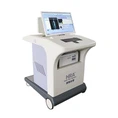

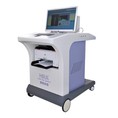
A full body checkup machine is an advanced and comprehensive medical device designed to assess a person's overall health status through a series of examinations and tests. As a leading supplier of full body checkup machines, I'm excited to share with you the key components that make up these remarkable devices.
1. Physiological Signal Detection Sensors
One of the fundamental components of a full - body checkup machine is the set of physiological signal detection sensors. These sensors are responsible for capturing various vital signs and physiological data from the human body.
Electrocardiogram (ECG) Sensors
ECG sensors are used to record the electrical activity of the heart. They are typically attached to the chest, arms, and legs of the patient. By measuring the electrical impulses generated by the heart during each heartbeat, the ECG can detect irregularities such as arrhythmias, heart blockages, and other cardiac disorders. The data collected by the ECG sensors is then processed and analyzed by the machine's software to provide a detailed report on the heart's health.
Blood Pressure Sensors
Blood pressure sensors are essential for measuring the force exerted by the blood against the walls of the arteries. There are two main types of blood pressure sensors used in full - body checkup machines: the oscillometric and the auscultatory sensors. Oscillometric sensors measure blood pressure by detecting the oscillations in the cuff pressure, while auscultatory sensors listen for the Korotkoff sounds. Accurate blood pressure measurement is crucial for diagnosing hypertension and other cardiovascular diseases.
Pulse Oximetry Sensors
Pulse oximetry sensors are used to measure the oxygen saturation level in the blood and the pulse rate. These sensors work by emitting light at specific wavelengths through the skin and measuring the amount of light absorbed by oxygenated and deoxygenated hemoglobin. A normal oxygen saturation level is typically between 95% and 100%. Low oxygen saturation can indicate respiratory problems or other underlying health issues.
2. Imaging Modules
Imaging modules play a vital role in full - body checkup machines as they allow for the visualization of internal organs and tissues.
Ultrasound Imaging
Ultrasound imaging uses high - frequency sound waves to create images of the internal organs. It is a non - invasive and safe method that can be used to examine the liver, gallbladder, pancreas, kidneys, and other abdominal organs. Ultrasound is also commonly used for obstetric examinations to monitor the development of the fetus. In a full - body checkup machine, the ultrasound module consists of a transducer that emits and receives the sound waves, and a display unit that shows the generated images.


X - ray Imaging
X - ray imaging is used to produce images of bones and some soft tissues. It works by passing X - rays through the body and capturing the resulting shadows on a detector. X - rays are particularly useful for detecting fractures, bone diseases, and some lung conditions. However, due to the potential risks associated with radiation exposure, the use of X - rays in full - body checkups is carefully regulated. Modern full - body checkup machines often use low - dose X - ray technology to minimize the radiation dose to the patient.
Magnetic Resonance Imaging (MRI)
MRI uses a strong magnetic field and radio waves to generate detailed images of the body's internal structures. It provides high - resolution images of soft tissues, such as the brain, spinal cord, and muscles, and is very effective in detecting tumors, neurological disorders, and joint problems. Although MRI is a powerful imaging tool, it is also relatively expensive and time - consuming. Some high - end full - body checkup machines may be equipped with a compact MRI module for more in - depth examinations.
3. Laboratory Testing Units
Laboratory testing units are an integral part of full - body checkup machines as they enable the analysis of biological samples such as blood, urine, and saliva.
Blood Analysis
Blood analysis is one of the most common tests performed in a full - body checkup. The laboratory testing unit in the machine can measure various parameters in the blood, including red and white blood cell counts, hemoglobin levels, cholesterol levels, blood sugar levels, and liver and kidney function markers. By analyzing these parameters, doctors can detect a wide range of diseases, such as anemia, diabetes, hyperlipidemia, and liver or kidney diseases.
Urine Analysis
Urine analysis is used to evaluate kidney function, detect urinary tract infections, and screen for other health problems. The machine can analyze the physical and chemical properties of urine, such as color, pH, specific gravity, and the presence of proteins, glucose, and blood cells. Abnormalities in urine analysis results can indicate underlying health issues that require further investigation.
Saliva Analysis
Saliva analysis is a relatively new area in full - body checkups. Saliva contains various biomarkers that can provide information about a person's health status, including hormone levels, immune function, and the presence of certain diseases. The laboratory testing unit in the full - body checkup machine can analyze these biomarkers to detect early signs of diseases such as oral cancer, diabetes, and stress - related disorders.
4. Data Processing and Analysis Software
All the data collected by the sensors, imaging modules, and laboratory testing units need to be processed and analyzed to generate meaningful reports. The data processing and analysis software in a full - body checkup machine is a critical component that uses advanced algorithms and artificial intelligence techniques.
This software can integrate data from different sources, such as physiological signals, imaging results, and laboratory test results. It can then analyze the data to identify patterns, detect abnormalities, and provide a comprehensive health assessment. The software can also generate detailed reports that are easy for doctors to understand and use for diagnosis and treatment planning.
5. User Interface and Display
The user interface and display are important for both the patient and the medical staff. The user interface should be intuitive and easy to use, allowing the medical staff to operate the machine efficiently. It should also provide clear instructions for the patient during the checkup process.
The display unit is used to show the results of the examinations, including physiological data, images, and laboratory test reports. High - resolution displays are preferred to ensure that the details of the images and data are clearly visible. Some full - body checkup machines also support touch - screen technology, which makes the operation more convenient.
As a supplier of full - body checkup machines, we are committed to providing high - quality products that incorporate the latest technologies. Our Health Risk Appraisal System Machine, Health Checkup Machine, and Health Analyzer Machine are designed to meet the diverse needs of medical institutions and patients.
If you are interested in our full - body checkup machines or would like to discuss a potential purchase, please feel free to contact us. We are looking forward to establishing a long - term partnership with you to promote the development of the medical industry and improve people's health.
References
- Guyton, A. C., & Hall, J. E. (2016). Textbook of Medical Physiology. Elsevier.
- Bushberg, J. T., Seibert, J. A., Leidholdt, E. M., & Boone, J. M. (2012). The Essential Physics of Medical Imaging. Lippincott Williams & Wilkins.
- Burtis, C. A., Ashwood, E. R., & Bruns, D. E. (2011). Tietz Textbook of Clinical Chemistry and Molecular Diagnostics. Elsevier.