


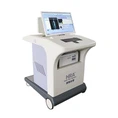

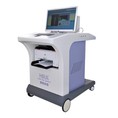
As a supplier of sub - health analyzers, I've often been asked about the differences between a sub - health analyzer and a body composition analyzer. In this blog, I'll delve into the details, highlighting their unique features, functions, and applications.
1. Basic Concepts
Sub - health Analyzer
A sub - health analyzer, such as the Health Risk Appraisal System Machine, is designed to assess an individual's sub - health status. Sub - health is a state between health and disease where a person may experience various discomforts but does not yet meet the diagnostic criteria of a specific disease. These analyzers use advanced detection technologies, including bioelectrical impedance analysis, spectral analysis, and physiological signal detection, to comprehensively evaluate the body's physiological and biochemical functions. They can detect potential health risks in the early stage, offering suggestions for lifestyle adjustments and preventive measures.
Body Composition Analyzer
A body composition analyzer focuses on measuring and analyzing the components of the human body. It provides information about the amounts of fat, muscle, bone, water, and other substances in the body. By accurately measuring these components, it helps individuals understand their physical condition, such as body fat percentage, muscle mass, and body water ratio. This data is useful for people who are interested in fitness, weight management, and overall health monitoring.
2. Detection Methods
Sub - health Analyzer
Sub - health analyzers typically use multiple detection methods. For example, some use bioelectrical impedance, which sends a weak electrical current through the body. Different tissues have different electrical conductivity, allowing the analyzer to estimate the distribution of body fluids, the function of internal organs, and the balance of the body's physiological systems. Others may use spectral analysis techniques to analyze the body's weak electromagnetic field signals, aiming to detect changes in the body's energy status and the early signs of abnormal physiological functions. The Full Body Scanner Machine in Hospital is an example of a comprehensive sub - health analyzer that can provide a wide - range detection based on various principles.
Body Composition Analyzer
Most body composition analyzers rely on bioelectrical impedance analysis (BIA). When a small, safe electrical current is passed through the body, the resistance encountered by the current varies depending on the amount of water in different tissues. Since fat tissue contains less water and has higher resistance compared to muscle tissue, which is rich in water, the analyzer can calculate the proportion of fat, muscle, and other components based on the measured impedance values. Some high - end body composition analyzers may also use dual - energy X - ray absorptiometry (DXA) for more accurate measurements, especially in clinical and research settings.
3. Detection Indicators
Sub - health Analyzer
The detection indicators of a sub - health analyzer are more comprehensive and focus on the overall physiological and psychological state of the body. It can detect indicators related to organ function, such as liver function, kidney function, and cardiovascular function. It also assesses the body's immune system, endocrine system, and nervous system functions. In addition, it can evaluate psychological factors such as stress levels, sleep quality, and mental fatigue. The Human Health Risk Assessment Instrument can provide a detailed report on these multiple aspects, helping users understand their sub - health status from different perspectives.


Body Composition Analyzer
The main detection indicators of a body composition analyzer are related to body components. These include body fat percentage, which is an important indicator of obesity and related health risks; muscle mass, which reflects physical strength and metabolic rate; bone mass, which is crucial for bone health; and body water content, which is essential for maintaining normal physiological functions. Some body composition analyzers may also calculate other parameters such as basal metabolic rate (BMR), which represents the energy the body needs at rest.
4. Application Scenarios
Sub - health Analyzer
Sub - health analyzers are widely used in various health management scenarios. In health centers, they are used for routine health check - ups to screen for potential health risks in the early stage. In corporate wellness programs, they can help employees understand their sub - health status and provide suggestions for improving work - life balance. In traditional Chinese medicine clinics, sub - health analyzers can complement traditional diagnosis methods, providing objective data for the assessment of the body's yin - yang balance and qi - blood status.
Body Composition Analyzer
Body composition analyzers are mainly used in fitness centers, sports training institutions, and weight management clinics. In fitness centers, trainers use body composition data to customize personalized training and diet plans for clients. In sports training, coaches can monitor the athletes' body composition changes during the training process to adjust training intensity and nutrition strategies. In weight management clinics, body composition analysis helps patients understand the composition of their weight loss or gain, ensuring that the weight change is mainly in the form of fat loss or muscle gain.
5. Advantages and Limitations
Sub - health Analyzer
Advantages:
- Early detection: It can detect potential health problems at an early stage before obvious symptoms appear, enabling timely preventive measures.
- Comprehensive evaluation: It provides a comprehensive assessment of the body's physiological and psychological functions, giving users a holistic view of their health.
- Non - invasive: Most sub - health analyzers are non - invasive, which is more acceptable to users compared to some invasive medical examinations.
Limitations:
- The accuracy of some detection results may be affected by factors such as the user's physical condition, diet, and exercise before the test.
- The interpretation of results requires professional knowledge, and users may need the guidance of healthcare professionals.
Body Composition Analyzer
Advantages:
- High - precision measurement: It can accurately measure body composition parameters, providing reliable data for fitness and health management.
- Easy to use: Many body composition analyzers are user - friendly and can be self - operated at home.
- Monitoring changes: It is very effective in monitoring the changes in body composition over time, helping users track their fitness and weight management progress.
Limitations:
- The accuracy of BIA - based body composition analyzers may be affected by factors such as hydration status and electrode placement.
- DXA, the more accurate method, is relatively expensive and not suitable for daily use.
6. Conclusion and Call to Action
In summary, sub - health analyzers and body composition analyzers have distinct differences in their concepts, detection methods, indicators, applications, advantages, and limitations. Sub - health analyzers are more focused on the overall health status and early - stage risk detection, while body composition analyzers are centered on the specific components of the body.
If you're interested in purchasing sub - health analyzers for your health center, corporate wellness program, or other related fields, I'd be more than happy to discuss the details with you. Our sub - health analyzers offer advanced technology, accurate detection results, and comprehensive evaluation reports. Contact us for more information and to start a negotiation on procurement.
References
- World Health Organization (WHO). Guidelines on promoting health and preventing chronic diseases.
- Lohman, T. G., Roche, A. F., & Martorell, R. (Eds.). (1988). Anthropometric standardization reference manual. Human Kinetics.
- Garrow, J. S., & Webster, J. (1985). Quetelet's index (W/H2) as a measure of fatness. International Journal of Obesity, 9(1), 147 - 153.