


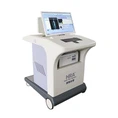

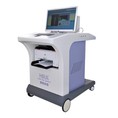
When it comes to disease diagnosis equipment, the market offers a wide range of options, from high - end to low - end devices. As a disease diagnosis equipment supplier, I have witnessed firsthand the significant differences between these two categories. In this blog post, I will delve into the disparities in terms of performance, technology, price, and application scenarios, which will help you make more informed decisions when choosing the appropriate equipment for your medical institution.
Performance and Accuracy
High - end disease diagnosis equipment is renowned for its superior performance and accuracy. These devices are often equipped with the latest and most advanced sensors and algorithms. For example, high - end MRI machines can produce extremely detailed images of the human body. The spatial resolution can reach a level where even the smallest tumors or lesions can be clearly detected. This high - precision imaging is crucial for early disease diagnosis and treatment planning.
In contrast, low - end MRI machines may have limited spatial resolution, which could result in less clear images. This might make it difficult for doctors to accurately identify small or early - stage diseases. Similarly, in the field of blood testing, high - end analyzers can detect a wider range of substances with higher sensitivity and specificity. They can accurately measure trace amounts of biomarkers in the blood, which is vital for diagnosing diseases such as cancer and diabetes at an early stage. Low - end blood testing equipment, on the other hand, may have a more limited testing range and lower accuracy, leading to potential misdiagnosis or missed diagnoses.


Technological Features
High - end disease diagnosis equipment usually incorporates the latest technological breakthroughs. For instance, some high - end Full Body Scanner Machine in Hospital use artificial intelligence (AI) algorithms to assist in image analysis. These AI - powered systems can quickly analyze large amounts of medical data, identify patterns, and provide preliminary diagnostic suggestions. They can also learn from a vast database of medical cases, continuously improving their diagnostic accuracy.
Another technological advantage of high - end equipment is its connectivity and data management capabilities. Many high - end devices can be integrated into a hospital's information system, allowing seamless sharing of patient data among different departments. This promotes efficient communication and collaboration among medical staff, leading to better - coordinated patient care.
Low - end disease diagnosis equipment often lacks these advanced technological features. They may operate in a more standalone mode, without the ability to connect to other systems or utilize AI for analysis. This can result in inefficiencies in data management and a longer diagnostic process.
Price and Cost - effectiveness
Unsurprisingly, high - end disease diagnosis equipment comes with a hefty price tag. The cost of purchasing and maintaining high - end devices is significantly higher than that of low - end equipment. For example, a state - of - the - art high - end CT scanner can cost millions of dollars, while a low - end CT scanner may cost only a fraction of that amount.
However, it is important to consider the cost - effectiveness of these devices in the long run. High - end equipment may have a longer lifespan, require less frequent repairs, and offer more accurate diagnoses, which can potentially save costs associated with misdiagnosis and repeated testing. In addition, high - end equipment can attract more patients to a medical institution due to its advanced capabilities, which can increase the institution's revenue.
Low - end equipment, while more affordable upfront, may have higher long - term costs. They may need to be replaced more frequently, and their lower accuracy may lead to additional testing and treatment costs.
Application Scenarios
The choice between high - end and low - end disease diagnosis equipment also depends on the specific application scenarios. High - end equipment is typically used in large hospitals and specialized medical centers. These institutions often deal with complex and difficult - to - diagnose cases, and they require the highest level of accuracy and advanced technological features. For example, high - end Full Body Checkup Machine are ideal for comprehensive health screenings in high - end health check - up centers, where patients expect a detailed and accurate assessment of their health status.
Low - end disease diagnosis equipment is more suitable for small clinics, rural medical institutions, and primary care settings. These facilities usually handle common diseases and routine check - ups. Low - end equipment can meet their basic diagnostic needs at a lower cost. For example, a simple Physical Examination Instruments set can be used for basic physical examinations in a small community clinic.
Conclusion
In conclusion, the differences between high - end and low - end disease diagnosis equipment are significant in terms of performance, technology, price, and application scenarios. As a disease diagnosis equipment supplier, I understand that each medical institution has its own unique needs and budget constraints. When choosing the right equipment, it is essential to carefully evaluate these factors to ensure that you are getting the most suitable device for your specific requirements.
If you are interested in learning more about our disease diagnosis equipment or would like to discuss a potential purchase, please feel free to reach out to us. We are committed to providing high - quality products and professional services to meet your needs.
References
- Smith, J. (2020). Advances in Medical Diagnostic Equipment. Journal of Medical Technology, 15(2), 34 - 45.
- Johnson, A. (2019). Cost - Benefit Analysis of High - End vs. Low - End Medical Devices. Healthcare Economics Review, 8(3), 56 - 67.
- Brown, C. (2021). The Role of Technology in Disease Diagnosis. Medical Innovation Journal, 20(4), 78 - 89.