



Hey there! As a supplier of health risk appraisal systems, I've been diving deep into what makes a top - notch mobile health risk appraisal system. In today's fast - paced world, mobile health solutions are becoming more and more important. People want quick, accurate, and convenient ways to assess their health risks. So, let's break down the key features that a good mobile health risk appraisal system should have.
1. User - Friendly Interface
First off, the interface is crucial. No one wants to deal with a complicated app that's hard to navigate. A good mobile health risk appraisal system should have an intuitive design. It should be easy for users to find what they're looking for, whether it's entering their personal health information, viewing their risk reports, or accessing educational resources.
For example, the app should have clear menus and buttons. The text should be large enough to read on a mobile screen, and the color scheme should be easy on the eyes. When users open the app, they should be able to start using it right away without having to spend a lot of time figuring out how it works.
2. Comprehensive Data Collection
A great system needs to collect a wide range of data. This includes basic personal information like age, gender, and weight, as well as more detailed health - related data such as medical history, family history, and lifestyle factors. Lifestyle factors can be things like smoking habits, exercise frequency, and diet.
By gathering all this information, the system can provide a more accurate assessment of a user's health risks. For instance, if a user has a family history of heart disease and also smokes, the system can take these factors into account and give a more precise risk evaluation. The data collection process should be as seamless as possible. The app could use features like dropdown menus, sliders, and checkboxes to make it easy for users to enter their information.
3. Accurate Risk Assessment Algorithms
Once the data is collected, the system needs to have accurate algorithms to analyze it. These algorithms should be based on the latest medical research and scientific evidence. They should be able to calculate the risk of various diseases such as heart disease, diabetes, and cancer.
The algorithms should also be able to adjust the risk assessment based on new data. For example, if a user starts exercising regularly, the system should be able to update the risk assessment to reflect the positive change in their lifestyle. This accuracy is what makes the system reliable and useful for users.
4. Personalized Reports
After the risk assessment, the system should generate personalized reports for each user. These reports should be easy to understand and should clearly explain the user's health risks. They could include things like graphs and charts to visualize the data.
The reports should also provide recommendations on how to reduce the identified risks. For example, if the report shows that a user has a high risk of diabetes, it could recommend a balanced diet, regular exercise, and regular blood sugar checks. Personalized reports help users take action to improve their health.
5. Integration with Wearable Devices
In today's tech - savvy world, many people use wearable devices like fitness trackers and smartwatches. A good mobile health risk appraisal system should be able to integrate with these devices. This allows the system to collect real - time data such as heart rate, steps taken, and sleep quality.
By integrating with wearable devices, the system can provide a more up - to - date and accurate risk assessment. For example, if a user's heart rate is consistently high, the system can flag it as a potential risk factor and include it in the risk assessment.
6. Educational Resources
A valuable mobile health risk appraisal system should also offer educational resources. These resources can help users understand their health risks better and learn how to make healthy lifestyle choices. The resources could include articles, videos, and infographics on topics like nutrition, exercise, and disease prevention.
For example, if a user is at risk of high blood pressure, the system could provide an article on the importance of a low - sodium diet and how it can help control blood pressure. These educational resources empower users to take charge of their health.
7. Secure Data Storage
Data security is of utmost importance. Users are sharing sensitive personal and health information with the system, so it needs to ensure that this data is stored securely. The system should use encryption technology to protect the data from unauthorized access.


It should also have strict privacy policies in place. Users should be informed about how their data is being used and who has access to it. This trust in data security is essential for users to feel comfortable using the system.
8. Regular Updates
The medical field is constantly evolving, with new research and discoveries being made all the time. A good mobile health risk appraisal system should receive regular updates. These updates can improve the accuracy of the risk assessment algorithms, add new features, and enhance the overall user experience.
For example, if a new study shows a link between a certain lifestyle factor and a particular disease, the system can be updated to incorporate this new information into the risk assessment.
9. Multi - Language Support
In a globalized world, a mobile health risk appraisal system should support multiple languages. This makes it accessible to a wider range of users around the world. Whether a user speaks English, Spanish, Chinese, or any other language, they should be able to use the app comfortably.
Multi - language support can also include translating the educational resources and reports, so that users can fully understand the information provided.
10. Connectivity with Healthcare Providers
Finally, a good system should have the ability to connect users with healthcare providers. This could be in the form of telemedicine consultations or referrals. If a user's risk assessment shows a high risk of a serious disease, the system can help connect them with a doctor for further evaluation and treatment.
This connectivity bridges the gap between self - assessment and professional medical care, ensuring that users get the appropriate help when they need it.
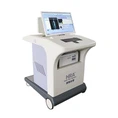
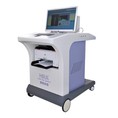
As a supplier of health risk appraisal systems, we offer products that incorporate all these features. For example, our Full Body Health Analyzer Machine is a state - of - the - art device that can be integrated with our mobile system to provide even more comprehensive health data. Our Health Check - up Machine and Physical Examination Instruments also work in tandem with the mobile app to offer a complete health risk appraisal solution.
If you're interested in purchasing our health risk appraisal systems for your organization or for personal use, we'd love to have a chat with you. We can discuss how our products can meet your specific needs and how they can benefit you or your users. Contact us to start the procurement process and take a step towards better health assessment.
References
- World Health Organization. (2023). Global Health Data.
- American Heart Association. (2023). Heart Disease Risk Factors.
- Centers for Disease Control and Prevention. (2023). Diabetes Prevention and Control.