


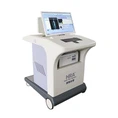

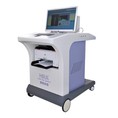
As a supplier of disease diagnosis equipment, I understand the importance of ensuring that our products are installed correctly to achieve accurate and reliable results. In this blog post, I will discuss the key installation requirements for disease diagnosis equipment, which are crucial for both the performance of the devices and the safety of the users.
1. Site Preparation
Before the installation of disease diagnosis equipment, the site must be carefully prepared. This involves several aspects, including space, environmental conditions, and power supply.
Space Requirements
The equipment requires a sufficient amount of space to be installed and operated properly. Each type of disease diagnosis equipment has its own specific space requirements, which are usually specified in the product manual. For example, large - scale Body Check Up Machine may need a dedicated room with enough space for the machine itself, as well as for the operator to move around and perform necessary tasks. The room should also have adequate clearance around the equipment to allow for ventilation and easy access for maintenance.
Environmental Conditions
The environmental conditions of the installation site play a vital role in the performance of disease diagnosis equipment. Temperature and humidity are two critical factors. Most equipment is designed to operate within a specific temperature and humidity range. For instance, Health Risk Assessment Device typically requires a temperature range of 18 - 25 degrees Celsius and a relative humidity of 40% - 60%. Extreme temperatures or high humidity can cause malfunctions in the electronic components of the equipment, leading to inaccurate diagnoses.
In addition, the installation site should be free from excessive dust, vibration, and electromagnetic interference. Dust can accumulate on the internal parts of the equipment, affecting its performance and lifespan. Vibration can cause mechanical damage to sensitive components, while electromagnetic interference can disrupt the electrical signals within the device, resulting in false readings.


Power Supply
A stable and appropriate power supply is essential for the proper functioning of disease diagnosis equipment. The power requirements of the equipment, such as voltage, frequency, and current, must be carefully considered. The power supply should be able to provide a consistent and clean electrical source. Unstable power can cause the equipment to malfunction or even damage its internal components. In some cases, it may be necessary to install a dedicated power line or a voltage stabilizer to ensure a reliable power supply.
2. Equipment Assembly
Once the site is prepared, the next step is the assembly of the disease diagnosis equipment. This process should be carried out by trained technicians following the manufacturer's instructions.
Component Installation
The equipment usually consists of multiple components, which need to be installed correctly. For example, Physical Examination Instruments may include sensors, displays, and control units. Each component must be carefully installed in its designated position and properly connected to the other parts of the equipment. Incorrect installation of components can lead to poor performance or even complete failure of the device.
Calibration
After the components are installed, the equipment needs to be calibrated. Calibration is the process of adjusting the equipment to ensure that it provides accurate and consistent results. This involves comparing the readings of the equipment with known standards and making necessary adjustments. Calibration is a critical step, as inaccurate calibration can lead to misdiagnosis, which can have serious consequences for patients.
3. Testing and Verification
Once the equipment is assembled and calibrated, it must undergo thorough testing and verification.
Functional Testing
Functional testing is carried out to ensure that all the functions of the disease diagnosis equipment are working properly. This includes testing the sensors, displays, and software of the device. For example, the sensors should be able to detect the relevant physiological parameters accurately, and the displays should be able to show the results clearly. Any malfunction or error detected during the functional testing should be addressed immediately.
Performance Verification
Performance verification involves comparing the performance of the equipment with the specified standards. This includes evaluating the accuracy, precision, and reliability of the equipment. For example, the equipment should be able to provide results within a certain margin of error. If the performance of the equipment does not meet the standards, further adjustments or repairs may be required.
4. Operator Training
After the equipment is installed and tested, the operators need to be trained on how to use the disease diagnosis equipment properly.
Operation Training
Operators should be trained on the basic operation of the equipment, including how to turn it on and off, how to input patient information, and how to obtain and interpret the test results. They should also be familiar with the safety procedures associated with the use of the equipment, such as wearing appropriate protective gear and handling the equipment carefully.
Maintenance Training
In addition to operation training, operators should also receive training on the basic maintenance of the equipment. This includes cleaning the equipment regularly, checking for any signs of damage or wear, and performing simple troubleshooting procedures. Proper maintenance can extend the lifespan of the equipment and ensure its continued reliable performance.
5. Documentation
Finally, proper documentation is required throughout the installation process.
Installation Records
All the steps involved in the installation, including site preparation, equipment assembly, testing, and operator training, should be documented. The installation records should include details such as the date of installation, the names of the technicians involved, and the results of the testing. These records can be used for future reference, maintenance, and quality control purposes.
User Manuals
The equipment should come with detailed user manuals that provide instructions on how to operate, maintain, and troubleshoot the device. The user manuals should be written in a clear and understandable language and should include all the necessary information for the users.
In conclusion, the installation of disease diagnosis equipment is a complex process that requires careful planning, proper execution, and thorough documentation. By meeting the installation requirements, we can ensure that the equipment provides accurate and reliable results, which is essential for effective disease diagnosis and treatment.
If you are interested in our disease diagnosis equipment and would like to discuss procurement, please feel free to reach out. We are committed to providing high - quality products and professional installation services to meet your needs.
References
- Manufacturer's product manuals for disease diagnosis equipment
- Industry standards for the installation and operation of medical equipment