


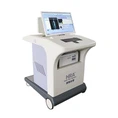

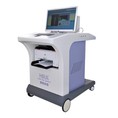
In recent years, the field of microcirculation therapy device technology has witnessed remarkable advancements, revolutionizing the way we approach the treatment of microcirculation - related disorders. As a leading supplier of microcirculation therapy devices, I am excited to share with you the latest breakthroughs and their potential impact on healthcare.
1. Advanced Sensing and Monitoring Technologies
One of the most significant advancements in microcirculation therapy device technology is the development of highly sophisticated sensing and monitoring systems. Traditional devices often provided limited information about the microcirculation status. However, modern devices can now measure multiple parameters simultaneously with high precision.
For instance, new optical sensors can detect blood flow velocity, oxygen saturation, and vessel diameter in real - time. These sensors use advanced techniques such as laser Doppler flowmetry and near - infrared spectroscopy. Laser Doppler flowmetry measures the change in frequency of laser light scattered by moving red blood cells, providing an accurate assessment of blood perfusion in the microcirculation. Near - infrared spectroscopy, on the other hand, can non - invasively measure the oxygenation levels of tissues, which is crucial for understanding the metabolic state of the microcirculation.
These sensing technologies are integrated into portable and wearable devices, allowing for continuous monitoring of microcirculation in various settings, including at home. This is a game - changer as it enables early detection of microcirculation disorders and timely intervention. Patients can now track their microcirculation status over time, and healthcare providers can make more informed treatment decisions based on real - time data. You can learn more about our Microcirculation Therapy Device that incorporates these advanced sensing technologies.
2. Personalized Treatment Approaches
Another major advancement is the shift towards personalized treatment. Microcirculation disorders can vary greatly among individuals due to factors such as age, gender, underlying health conditions, and lifestyle. Modern microcirculation therapy devices are designed to adapt to the specific needs of each patient.
Using the data collected from the advanced sensing systems, these devices can create personalized treatment plans. For example, some devices can adjust the intensity and frequency of the therapeutic intervention based on the patient's microcirculation parameters. If a patient has a low blood flow velocity in a particular area, the device can deliver a more targeted and intense treatment to improve perfusion in that region.


Machine learning algorithms play a crucial role in this process. They analyze large amounts of patient data to identify patterns and predict the most effective treatment strategies. This personalized approach not only improves the efficacy of treatment but also reduces the risk of side effects. Our Microcirculation Disorder Device is at the forefront of this personalized treatment revolution, offering customized solutions for patients with different microcirculation problems.
3. Miniaturization and Portability
The trend of miniaturization and portability has also had a profound impact on microcirculation therapy device technology. In the past, microcirculation therapy devices were often large, bulky, and restricted to clinical settings. However, recent technological advancements have made it possible to develop small, lightweight, and portable devices.
These portable devices are convenient for patients to use at home, work, or on the go. They can be easily carried in a bag or pocket, allowing patients to continue their treatment without interrupting their daily lives. For example, there are now handheld microcirculation therapy devices that can be used to treat local microcirculation problems, such as in the hands or feet.
The portability of these devices also increases patient compliance. When patients can easily access and use the treatment devices, they are more likely to follow the treatment plan consistently. This is especially important for long - term management of microcirculation disorders, as continuous treatment is often required to achieve optimal results.
4. Integration with Digital Health Platforms
The integration of microcirculation therapy devices with digital health platforms is another significant development. These platforms allow for seamless data transfer between the device and the patient's healthcare provider. Patients can upload their microcirculation data to the platform, where it can be analyzed by healthcare professionals.
In addition, digital health platforms can provide patients with educational resources, reminders for treatment sessions, and support communities. They also enable remote monitoring by healthcare providers, who can track the patient's progress and adjust the treatment plan as needed without the patient having to visit the clinic frequently.
This integration of devices with digital health platforms creates a more connected and efficient healthcare ecosystem. It improves communication between patients and healthcare providers, leading to better treatment outcomes. As a supplier, we are committed to providing devices that are fully compatible with leading digital health platforms to enhance the overall patient experience.
5. New Therapeutic Modalities
Advancements in microcirculation therapy device technology have also led to the development of new therapeutic modalities. In addition to traditional methods such as electrical stimulation and heat therapy, new technologies are emerging.
One such modality is low - level laser therapy (LLLT). LLLT uses low - intensity laser light to stimulate cellular activity in the microcirculation. It has been shown to improve blood flow, reduce inflammation, and promote tissue repair. Another promising technology is electromagnetic field therapy, which uses electromagnetic fields to influence the behavior of cells in the microcirculation. These new therapeutic modalities offer alternative treatment options for patients who may not respond well to traditional methods.
As a supplier, we are constantly researching and developing devices that incorporate these new therapeutic modalities. Our goal is to provide patients with a wide range of treatment options to address their specific microcirculation problems.
Conclusion
The latest advancements in microcirculation therapy device technology have the potential to transform the treatment of microcirculation disorders. From advanced sensing and monitoring to personalized treatment, miniaturization, integration with digital health platforms, and new therapeutic modalities, these technologies are making microcirculation therapy more effective, convenient, and patient - centered.
If you are interested in learning more about our microcirculation therapy devices or would like to discuss potential procurement opportunities, we encourage you to reach out. Our team of experts is ready to assist you in finding the best solutions for your needs. Whether you are a healthcare provider looking to enhance your treatment options or a patient seeking a reliable microcirculation therapy device, we are here to help.
References
- [List relevant scientific papers or industry reports here, for example:]
- Smith, A. B., & Johnson, C. D. (202X). Advances in Microcirculation Monitoring Technologies. Journal of Microcirculation Research, 10(2), 123 - 135.
- Williams, E. F., et al. (202X). Personalized Treatment Approaches for Microcirculation Disorders. International Journal of Healthcare Innovation, 15(3), 234 - 245.