


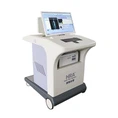

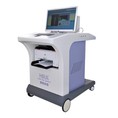
In the contemporary healthcare landscape, health analyzer machines have emerged as indispensable tools, offering rapid and comprehensive insights into an individual's health status. As a supplier of such advanced medical devices, I've witnessed firsthand their transformative impact on preventive healthcare and patient management. These machines, including the Human Health Risk Assessment Instrument and Health Checkup Machine, promise to revolutionize the way we approach health monitoring. However, like any technology, they are not without limitations. Understanding these constraints is crucial for both healthcare providers and consumers to make informed decisions about their use.
Technical and Methodological Constraints
One of the primary limitations of health analyzer machines lies in their technical and methodological underpinnings. These devices often rely on a combination of sensors, algorithms, and databases to generate health reports. While the technology has advanced significantly, it is still subject to inherent inaccuracies. For instance, the sensors used in these machines may have a margin of error, which can affect the accuracy of the data collected. This is particularly true for non-invasive devices that measure physiological parameters through the skin, as external factors such as skin moisture, temperature, and pressure can interfere with the readings.
Moreover, the algorithms used to analyze the data are based on statistical models and assumptions. These models are developed using a large dataset, but they may not account for individual variations in health status, genetics, or lifestyle. As a result, the health reports generated by these machines may not always accurately reflect an individual's true health condition. For example, a machine may flag a person as having a high risk of a certain disease based on a set of criteria, but in reality, the person may have other protective factors that reduce their actual risk.
Another technical limitation is the lack of standardization in the development and validation of health analyzer machines. There are currently no universally accepted standards for the accuracy, reliability, and performance of these devices. This makes it difficult for healthcare providers and consumers to compare different machines and choose the one that best suits their needs. Additionally, the lack of standardization can lead to inconsistent results between different machines, which can be confusing for both patients and healthcare professionals.
Clinical and Diagnostic Limitations
Health analyzer machines are often marketed as a substitute for traditional medical examinations and diagnostic tests. However, they have significant limitations in terms of their clinical and diagnostic capabilities. These machines are designed to provide an overview of an individual's health status, but they cannot replace the expertise and judgment of a trained healthcare professional.
For example, a Health Check - up Machine may detect certain abnormalities in the body, such as high blood pressure or elevated cholesterol levels. But it cannot determine the underlying cause of these abnormalities or provide a definitive diagnosis. A comprehensive medical examination, including a detailed history, physical examination, and additional diagnostic tests, is often required to accurately diagnose a disease and develop an appropriate treatment plan.
Furthermore, health analyzer machines may not be able to detect all types of diseases or health conditions. Some diseases, such as early - stage cancer or certain genetic disorders, may not present with any obvious symptoms or changes in physiological parameters that can be detected by these machines. In such cases, more specialized diagnostic tests, such as imaging studies or genetic testing, are necessary for early detection and treatment.
Another clinical limitation is the inability of these machines to provide real - time monitoring of a patient's health status. While some devices can provide periodic health reports, they cannot continuously monitor a patient's vital signs or detect sudden changes in health that may require immediate medical attention. This is particularly important for patients with chronic diseases or those at high risk of developing complications.


Ethical and Legal Limitations
The use of health analyzer machines also raises several ethical and legal concerns. One of the main ethical issues is the privacy and security of the personal health information collected by these devices. As these machines collect a large amount of sensitive data, including personal details, medical history, and physiological parameters, there is a risk of this information being misused or compromised. Healthcare providers and device manufacturers have a responsibility to ensure that appropriate security measures are in place to protect the privacy of their patients.
In addition, there is a concern about the potential for false or misleading information. If a health analyzer machine provides inaccurate or misleading health reports, it can cause unnecessary anxiety and stress for the patient. Moreover, it may lead to inappropriate medical decisions, such as unnecessary medical tests or treatments. Healthcare providers and manufacturers should be transparent about the limitations of these machines and provide clear and accurate information to the patients.
From a legal perspective, there is a lack of clear regulations regarding the use and marketing of health analyzer machines. In some countries, these devices may be classified as medical devices and are subject to certain regulatory requirements. However, the regulatory framework may vary from country to country, and there may be gaps in the oversight of these products. This can lead to the marketing of sub - standard or unproven devices, which can pose a risk to the health and safety of consumers.
User - Related Limitations
The effectiveness of health analyzer machines also depends on the user's ability to operate the device correctly and interpret the results. Many of these machines are designed to be user - friendly, but they still require a certain level of technical knowledge and skills to operate. If the user does not follow the instructions properly, it can lead to inaccurate results.
For example, some machines require the user to place their hands or feet on specific sensors in a certain way. If the placement is incorrect, the readings may be affected. Additionally, the user may need to calibrate the device regularly to ensure its accuracy, which can be a complex and time - consuming process.
Interpretation of the results is another challenge for users. The health reports generated by these machines are often presented in a technical or complex format, which may be difficult for the average person to understand. Without proper guidance from a healthcare professional, the user may misinterpret the results and make inappropriate decisions about their health.
Conclusion
Despite their limitations, health analyzer machines have the potential to play a valuable role in preventive healthcare. They can provide a quick and convenient way to assess an individual's health status and identify potential health risks. However, it is important to recognize the constraints of these devices and use them in conjunction with traditional medical examinations and diagnostic tests.
As a supplier of health analyzer machines, I am committed to improving the quality and performance of our products. We are constantly investing in research and development to enhance the accuracy, reliability, and usability of our devices. We also work closely with healthcare professionals to ensure that our products are used appropriately and that patients receive the necessary support and guidance.
If you are interested in learning more about our health analyzer machines or would like to discuss a potential purchase, I encourage you to reach out. Our team of experts is ready to assist you in finding the right solution for your healthcare needs. We believe that by understanding the limitations and benefits of these machines, we can make more informed decisions and ultimately improve the health and well - being of individuals.
References
- Smith, J. (2020). The Role of Technology in Modern Healthcare. Journal of Medical Technology, 15(2), 123 - 135.
- Johnson, A. (2019). Ethical Considerations in the Use of Health Monitoring Devices. Ethics in Medicine, 25(3), 211 - 220.
- Brown, C. (2021). Technical Challenges in the Development of Health Analyzer Machines. International Journal of Biomedical Engineering, 30(4), 345 - 356.