



Hey there! As a supplier of rhinitis treatment devices, I often get asked about the regulatory requirements for these products. It's a crucial topic because it ensures that the devices we offer are safe, effective, and compliant with the standards set by various authorities. In this blog post, I'll break down the key regulatory aspects you need to know.
Understanding the Basics of Regulatory Requirements
First off, different countries and regions have their own sets of rules and regulations when it comes to medical devices, including rhinitis treatment devices. These regulations are in place to protect consumers and ensure that the devices meet certain quality and safety standards.
In the United States, the Food and Drug Administration (FDA) is the main regulatory body for medical devices. The FDA classifies medical devices into three classes based on the level of risk associated with their use. Rhinitis treatment devices can fall into different classes depending on their design, function, and intended use.
- Class I devices: These are considered to have the lowest risk. They usually include simple devices like nasal sprays or saline rinses. Class I devices are generally subject to general controls, such as registration and listing requirements, and compliance with good manufacturing practices (GMP).
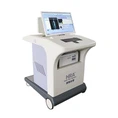
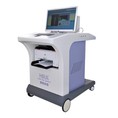
- Class II devices: These devices pose a moderate risk. Examples of Class II rhinitis treatment devices might include Infrared Rhinitis Therapy Device. For Class II devices, in addition to general controls, the FDA may require special controls, such as performance standards, post - market surveillance, and clinical studies to demonstrate safety and effectiveness.
- Class III devices: These are high - risk devices. While it's less common for rhinitis treatment devices to be Class III, some advanced or novel technologies might fall into this category. Class III devices require pre - market approval (PMA), which involves a rigorous review process that includes extensive clinical data to prove safety and effectiveness.
European Union Regulations
In the European Union (EU), the regulatory framework for medical devices has recently undergone significant changes. The new Medical Device Regulation (MDR) came into effect in May 2021, replacing the previous Medical Device Directive (MDD).
Under the MDR, medical devices are also classified based on risk, similar to the FDA system. Rhinitis treatment devices need to comply with a series of requirements, including:


- Conformity assessment: Devices must go through a conformity assessment procedure to obtain the CE mark, which indicates compliance with EU regulations. The type of conformity assessment depends on the device class. For lower - risk devices, a manufacturer's self - assessment may be sufficient, while higher - risk devices require the involvement of a notified body, an independent organization authorized by the EU to assess device compliance.
- Clinical evaluation: Manufacturers are required to conduct a comprehensive clinical evaluation to demonstrate the safety and performance of the device. This may involve literature reviews, clinical studies, or post - market clinical follow - up.
- Quality management system: Companies must implement a quality management system in accordance with ISO 13485, which ensures that the device is designed, developed, produced, and distributed in a consistent and high - quality manner.
Other Regions
Other countries and regions also have their own regulatory requirements. For example, in Canada, Health Canada regulates medical devices. They have a classification system similar to the FDA and EU, and devices need to meet specific safety and efficacy standards.
In Asia, countries like Japan and South Korea have their own regulatory bodies and procedures. Japan's Pharmaceuticals and Medical Devices Agency (PMDA) oversees medical device regulation, and South Korea's Ministry of Food and Drug Safety (MFDS) is responsible for ensuring the safety and quality of medical devices, including rhinitis treatment devices.
Impact on Our Business as a Supplier
As a supplier of rhinitis treatment devices, these regulatory requirements have a significant impact on our operations. We need to ensure that all our products, such as the Apparatus for Relieving Allergic Rhinitis and Chronic Allergic Rhinitis Treatment Instrument, comply with the relevant regulations in the markets we serve.
This means investing in research and development to meet the safety and efficacy requirements. We conduct extensive testing and clinical studies to gather the necessary data to support regulatory submissions. We also work closely with regulatory consultants and notified bodies to navigate the complex regulatory processes.
Moreover, staying up - to - date with regulatory changes is crucial. Regulations are constantly evolving, and we need to adapt our products and processes accordingly. For example, the transition to the new EU MDR has required us to make significant changes to our documentation, quality management systems, and clinical evaluation processes.
Why Compliance Matters
Compliance with regulatory requirements is not just a legal obligation; it's also essential for building trust with our customers. When healthcare professionals and patients choose our rhinitis treatment devices, they expect them to be safe and effective. By meeting regulatory standards, we can provide them with the assurance that our products have been thoroughly tested and meet the highest quality standards.
In addition, compliance helps us access global markets. Many countries and regions require regulatory approval as a prerequisite for market entry. By ensuring that our devices comply with multiple regulatory frameworks, we can expand our business and reach more customers around the world.
Contact Us for Your Rhinitis Treatment Device Needs
If you're in the market for high - quality rhinitis treatment devices that comply with all relevant regulatory requirements, look no further. We're committed to providing safe, effective, and innovative solutions for rhinitis treatment. Whether you're a healthcare provider looking to add our devices to your practice or a distributor interested in partnering with us, we'd love to hear from you. Contact us to start a conversation about your procurement needs and let's work together to improve the lives of those suffering from rhinitis.
References
- U.S. Food and Drug Administration. (n.d.). Medical Device Classification. Retrieved from fda.gov
- European Commission. (2021). Medical Device Regulation (EU) 2017/745. Retrieved from ec.europa.eu
- Health Canada. (n.d.). Medical Devices Regulations. Retrieved from hc - sc.gc.ca
- Pharmaceuticals and Medical Devices Agency (Japan). (n.d.). Medical Device Regulations in Japan. Retrieved from pmda.go.jp
- Ministry of Food and Drug Safety (South Korea). (n.d.). Medical Device Regulations. Retrieved from mfds.go.kr