


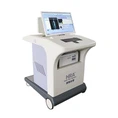

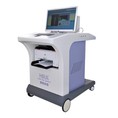
As a supplier of sub - health analyzers, I often get asked by potential customers about how long it takes to get the results from a sub - health analyzer. This is a crucial question, as the turnaround time for results can greatly impact the user experience and the efficiency of health assessment processes. In this blog, I will delve into the factors that influence the result - obtaining time and provide a comprehensive overview of what you can expect.
The Basic Working Principle of Sub - Health Analyzers
Before we discuss the time required to get results, it's essential to understand how sub - health analyzers work. These devices, such as the Health Analyzer Machine, are designed to assess a person's health status by analyzing various physiological and biochemical parameters. They may use technologies like bioelectrical impedance analysis, spectral analysis, or other non - invasive detection methods.
When a person uses a sub - health analyzer, the device first collects data from the body. This data can include information about the body's electrical conductivity, blood oxygen levels, and other indicators. After data collection, the analyzer processes this information using pre - installed algorithms and software. The processed data is then compared with a large database of health information to generate a comprehensive health assessment report.
Factors Affecting the Time to Get Results
1. Type of Analyzer
There are different types of sub - health analyzers on the market, each with its own characteristics and performance. Some basic models, which focus on a limited number of parameters, can provide results relatively quickly. For example, a simple bioelectrical impedance analyzer that only measures body fat percentage, muscle mass, and water content may generate results within a few minutes.
On the other hand, more advanced analyzers, such as the Human Health Risk Assessment Instrument, which can assess a wide range of health risks including cardiovascular diseases, diabetes, and cancer risks, usually take longer. These devices need to collect and analyze a large amount of data, and the complex algorithms used for risk assessment require more time to process the information.
2. Data Collection Process
The time taken for data collection is an important factor. Some sub - health analyzers require the user to perform a series of simple actions, such as standing on a platform, holding electrodes, or breathing into a sensor. The duration of these actions can vary. For instance, if an analyzer requires a long - term measurement of blood oxygen levels during different breathing states, it will take more time compared to a device that only needs a short - term measurement.
Moreover, the accuracy of data collection also affects the time. If the device has a high - precision sensor, it may take more time to ensure accurate data acquisition. In some cases, the analyzer may need to repeat the measurement several times to eliminate errors and obtain reliable data.
3. Software Processing Power
The software installed in the sub - health analyzer plays a vital role in determining the result - obtaining time. Analyzers with powerful software can process data more quickly. Advanced software can optimize the analysis process, reduce redundant calculations, and improve the efficiency of data comparison.
In addition, the software's ability to handle large - scale data also matters. If the analyzer needs to compare the collected data with a vast database of health information, a high - performance software can complete this task more rapidly. Some sub - health analyzers are equipped with cloud - based software, which can offload some of the processing tasks to the cloud server, further speeding up the result - generation process.
4. Report Generation Complexity
The complexity of the health assessment report also influences the time. A simple report that only shows basic health indicators and a brief summary may be generated within a few minutes. However, a detailed report that includes in - depth analysis, risk assessment graphs, and personalized health advice will take longer to generate.
For example, if the report needs to provide a detailed analysis of the user's cardiovascular health, including the risk of heart attack and stroke, and suggest appropriate lifestyle changes, the analyzer needs to perform more complex calculations and data synthesis. This type of comprehensive report may take 10 - 30 minutes or even longer, depending on the analyzer's performance.
Typical Time Ranges for Different Analyzers
1. Basic Sub - Health Analyzers
Basic sub - health analyzers, which are mainly used for home or personal use, usually provide results within 1 - 5 minutes. These analyzers typically measure a few common health parameters such as body weight, body fat percentage, and blood pressure. They are designed for quick and easy health monitoring, allowing users to get a basic understanding of their health status in a short time.
2. Intermediate Analyzers
Intermediate sub - health analyzers, which are often used in small clinics or health centers, can generate results within 5 - 15 minutes. These analyzers can assess a wider range of health parameters, including liver function, kidney function, and blood lipid levels. They provide more comprehensive health information compared to basic analyzers, but still maintain a relatively short result - obtaining time.
3. Advanced Analyzers
Advanced sub - health analyzers, such as those used in large hospitals or professional health assessment institutions, may take 15 - 60 minutes to provide results. These analyzers are capable of performing in - depth health risk assessments, detecting early signs of various diseases, and providing detailed personalized health reports. The longer time is necessary to ensure the accuracy and comprehensiveness of the assessment.
Improving the Efficiency of Result - Obtaining
As a supplier of sub - health analyzers, we are constantly working on improving the efficiency of result - obtaining. We invest in research and development to upgrade the hardware and software of our analyzers. For example, we use high - speed processors and optimized algorithms to reduce the data processing time.
We also focus on user - friendly design to streamline the data collection process. Our Physical Examination Instruments are designed to be easy to use, with clear instructions and intuitive interfaces, which can help users complete the data collection more quickly.
In addition, we provide training and technical support to our customers, including medical staff and end - users. By ensuring that the users can operate the analyzers correctly and efficiently, we can further reduce the overall time required to get the results.
Conclusion
In conclusion, the time it takes to get the results from a sub - health analyzer varies depending on several factors, including the type of analyzer, data collection process, software processing power, and report generation complexity. Basic analyzers can provide results within a few minutes, while advanced analyzers may take up to an hour or more.


If you are interested in purchasing a sub - health analyzer for your home, clinic, or institution, and you have specific requirements regarding the result - obtaining time, please feel free to contact us. We have a wide range of products to meet your needs, and our professional team can provide you with detailed product information and guidance. Let's start a conversation to find the most suitable sub - health analyzer for you.
References
- Smith, J. (2020). Advances in Sub - Health Assessment Technologies. Journal of Health Technology, 15(2), 45 - 52.
- Johnson, A. (2021). The Impact of Software on Sub - Health Analyzer Performance. International Journal of Medical Devices, 20(3), 67 - 74.
- Brown, C. (2019). User - Centered Design in Sub - Health Analyzers. Design Studies, 12(4), 89 - 96.