


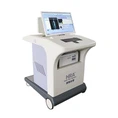

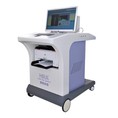
Hey there! As a supplier of full body check - up machines, I've been getting a lot of questions lately about the safety standards for these machines. So, I thought I'd take some time to break it all down for you.
First off, let's talk about why safety standards are so important. When it comes to full body check - up machines, we're dealing with people's health. These machines are used to detect various health issues, from minor problems to serious diseases. So, ensuring their safety is crucial to protect patients and medical staff alike.
One of the primary safety standards for full body check - up machines is electrical safety. These machines rely on electricity to function, and any electrical malfunction can pose a significant risk. For example, a short - circuit could lead to electric shock or even start a fire. To meet electrical safety standards, manufacturers must design machines with proper insulation, grounding, and over - current protection. They also need to conduct regular electrical safety tests to make sure everything is working as it should.
Another important aspect is radiation safety. Some full body check - up machines, like X - ray scanners and CT scanners, use radiation to create images of the body. While radiation can be a powerful tool for diagnosis, it also has the potential to cause harm if not used correctly. That's why strict radiation safety standards are in place. These standards limit the amount of radiation exposure a patient can receive during a scan. Manufacturers must design machines that use the lowest possible radiation dose while still producing high - quality images. They also need to provide proper shielding to protect medical staff and other people in the vicinity from unnecessary radiation exposure.
Mechanical safety is also a key consideration. Full body check - up machines often have moving parts, such as tables that slide in and out of scanners or robotic arms that adjust the position of the machine. These moving parts need to be designed and maintained to prevent accidents. For example, they should have safety guards to prevent fingers or clothing from getting caught. There should also be emergency stop buttons that can be easily accessed in case of a problem.
In addition to these physical safety aspects, there are also software safety standards. Many modern full body check - up machines are controlled by complex software systems. This software needs to be reliable and secure. It should be free from bugs and glitches that could affect the accuracy of the test results or the safety of the machine. Manufacturers need to conduct regular software updates to fix any security vulnerabilities and improve performance.
Now, let's take a look at some of the specific types of full body check - up machines and their safety standards.
Full Body Scanner Machine in Hospital
The Full Body Scanner Machine in Hospital is a common piece of equipment in medical facilities. These scanners can use different technologies, such as magnetic resonance imaging (MRI), ultrasound, or positron emission tomography (PET). Each technology has its own set of safety standards.
MRI scanners, for example, use strong magnetic fields. This means that patients need to be screened for any metal objects in their bodies before entering the scanner. Metal objects can be attracted to the magnetic field, causing injury to the patient or damage to the machine. There are also strict safety protocols for medical staff working around MRI scanners to prevent them from being exposed to the magnetic field.
Ultrasound scanners, on the other hand, use sound waves to create images. They are generally considered to be very safe, but there are still some safety guidelines. For example, the intensity of the ultrasound waves needs to be carefully controlled to avoid any potential harm to the patient's tissues.
Full Body Health Analyzer Machine
The Full Body Health Analyzer Machine is designed to provide a comprehensive assessment of a person's health. These machines often use bioelectrical impedance analysis (BIA) or other non - invasive techniques.
BIA machines work by sending a small electrical current through the body and measuring the resistance. Safety standards for these machines ensure that the electrical current is within a safe range and that the electrodes used to conduct the current are properly sanitized between patients to prevent the spread of infections.
Sub - Health Analyzer
The Sub - Health Analyzer is a specialized machine that focuses on detecting early signs of sub - health conditions. It may use a combination of physiological and biochemical parameters to assess a person's health status.
Safety standards for sub - health analyzers are similar to those for other full body check - up machines. They need to meet electrical, mechanical, and software safety requirements. In addition, the sensors used in these machines need to be accurate and reliable to ensure the accuracy of the test results.


As a supplier of full body check - up machines, we take safety very seriously. We work closely with manufacturers to ensure that all our machines meet the highest safety standards. We also provide training and support to our customers to make sure they can use the machines safely and effectively.
If you're in the market for a full body check - up machine, whether it's for a hospital, a clinic, or a private practice, I encourage you to get in touch with us. We can provide you with detailed information about our products, including their safety features and compliance with relevant standards. We're always happy to have a conversation about your specific needs and how our machines can help you provide the best possible care for your patients.
In conclusion, safety standards for full body check - up machines are multi - faceted and essential for the well - being of patients and medical staff. By adhering to these standards, we can ensure that these machines are not only effective diagnostic tools but also safe to use. So, if you're looking for a reliable and safe full body check - up machine, don't hesitate to reach out. Let's start a conversation about how we can work together to meet your requirements.
References
- International Electrotechnical Commission (IEC) standards for medical electrical equipment.
- World Health Organization (WHO) guidelines on radiation safety in medical imaging.
- American National Standards Institute (ANSI) and Underwriters Laboratories (UL) standards for mechanical and electrical safety of medical devices.