


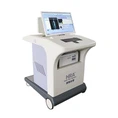

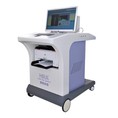
As a supplier of health risk appraisal systems, I am often asked about the diseases that our systems can assess. In this blog post, I will delve into the various diseases and health conditions that our cutting - edge health risk appraisal system can evaluate, providing you with a comprehensive understanding of its capabilities.


Cardiovascular Diseases
Cardiovascular diseases are among the leading causes of death globally. Our health risk appraisal system can assess the risk of several cardiovascular conditions.
Coronary Artery Disease (CAD)
CAD occurs when the arteries that supply blood to the heart become narrow or blocked due to the buildup of plaque. Our system analyzes multiple factors such as blood pressure, cholesterol levels (including LDL, HDL, and triglycerides), blood sugar levels, and family history. By inputting this data into the system, it can calculate an individual's risk of developing CAD over a certain period. For example, if a person has high blood pressure, elevated LDL cholesterol, and a family history of heart attacks, the system will flag them as having a higher risk of CAD. This early assessment allows for timely intervention, such as lifestyle changes or medical treatment, to reduce the risk.
Hypertension
Hypertension, or high blood pressure, is a silent killer that often goes unnoticed until it causes serious health problems. Our system can monitor blood pressure trends over time. It can also take into account other factors like body mass index (BMI), physical activity levels, and salt intake. By analyzing these variables, it can predict whether an individual is likely to develop hypertension or if their existing high blood pressure is at risk of worsening. Regular use of our system can help individuals manage their blood pressure and prevent complications such as heart failure, stroke, and kidney disease.
Heart Failure
Heart failure is a condition where the heart is unable to pump enough blood to meet the body's needs. Our system can evaluate factors such as the heart's pumping function (which can be estimated through certain biomarkers in the blood), fluid retention, and the presence of other comorbidities like diabetes and obesity. By assessing these elements, it can determine an individual's risk of developing heart failure and provide appropriate recommendations for prevention and management.
Metabolic Diseases
Metabolic diseases are closely related to lifestyle and diet, and our health risk appraisal system can play a crucial role in their early detection.
Diabetes Mellitus
Both type 1 and type 2 diabetes can be assessed by our system. For type 2 diabetes, it analyzes factors such as blood sugar levels, insulin resistance, BMI, family history, and physical activity. By using algorithms based on large - scale epidemiological studies, it can predict an individual's likelihood of developing type 2 diabetes. In the case of type 1 diabetes, although it is an autoimmune disease, the system can monitor the early signs such as abnormal blood glucose fluctuations and the presence of certain autoantibodies in the blood. Early detection of diabetes through our system enables better management of the disease, including diet control, exercise, and medication.
Obesity
Obesity is not only a cosmetic concern but also a major risk factor for many other diseases. Our system can measure body fat percentage, waist - to - hip ratio, and BMI. It can also analyze an individual's eating habits and physical activity levels. By combining these data points, it can assess the risk of obesity - related complications such as sleep apnea, joint problems, and certain types of cancer. Moreover, the system can provide personalized weight management plans to help individuals achieve a healthy weight.
Respiratory Diseases
Respiratory diseases can significantly impact an individual's quality of life, and our system can assist in their early assessment.
Chronic Obstructive Pulmonary Disease (COPD)
COPD is a progressive lung disease that includes conditions such as emphysema and chronic bronchitis. Our system can evaluate factors like smoking history, exposure to environmental pollutants, lung function tests (such as forced expiratory volume in one second - FEV1), and the presence of chronic cough and shortness of breath. By analyzing these factors, it can determine an individual's risk of developing COPD or the progression of an existing condition. Early detection allows for interventions such as smoking cessation programs, pulmonary rehabilitation, and the use of bronchodilators.
Asthma
Asthma is a chronic inflammatory disease of the airways. Our system can monitor symptoms such as wheezing, coughing, and shortness of breath. It can also take into account triggers like allergens, exercise, and stress. By analyzing these data, it can predict asthma exacerbations and help individuals manage their condition better. For example, it can recommend the appropriate use of inhalers and lifestyle modifications to avoid triggers.
Cancer
Although our health risk appraisal system cannot diagnose cancer directly, it can assess the risk of developing certain types of cancer.
Breast Cancer
For breast cancer, the system considers factors such as age, family history of breast cancer, genetic mutations (such as BRCA1 and BRCA2), hormonal factors (such as age at menarche and menopause), and lifestyle factors like alcohol consumption and physical activity. By analyzing these variables, it can calculate an individual's lifetime risk of developing breast cancer. This information can guide women in making decisions about breast cancer screening and prevention strategies.
Colorectal Cancer
The system assesses the risk of colorectal cancer by looking at factors such as family history, diet (especially high - fat and low - fiber diets), physical activity levels, and the presence of polyps in the colon. By evaluating these elements, it can identify individuals who are at a higher risk and recommend appropriate screening tests such as colonoscopies.
Neurological Diseases
Neurological diseases can have a profound impact on an individual's cognitive and physical functions, and our system can contribute to their risk assessment.
Alzheimer's Disease
Alzheimer's disease is the most common form of dementia. Our system can analyze factors such as age, family history, cognitive function tests, and lifestyle factors like diet, physical activity, and social engagement. By using machine - learning algorithms based on large - scale studies, it can predict an individual's risk of developing Alzheimer's disease. Early detection can lead to interventions such as cognitive training, lifestyle modifications, and the use of medications that may slow down the progression of the disease.
Stroke
Stroke is a serious neurological event that can cause long - term disability or death. Our system can evaluate risk factors such as high blood pressure, high cholesterol, diabetes, smoking, and atrial fibrillation. By analyzing these variables, it can determine an individual's risk of having a stroke. This information can be used to implement preventive measures such as blood pressure control, cholesterol - lowering medications, and lifestyle changes.
How Our Health Risk Appraisal System Works
Our system is based on the latest scientific research and advanced algorithms. It uses a combination of data from medical history, physical examinations, laboratory tests, and lifestyle questionnaires. The data is then processed through a secure and sophisticated software platform. The results are presented in an easy - to - understand format, including risk scores, detailed reports, and personalized recommendations.
If you are interested in our Full Body Health Analyzer Machine, Full Body Checkup Machine, or Disease Diagnosis Equipment, which are integral parts of our health risk appraisal system, we invite you to contact us for a procurement discussion. Our team of experts is ready to answer your questions and provide you with detailed information about how our system can benefit your organization or practice.
References
- American Heart Association. (2023). Heart disease and stroke statistics - 2023 update.
- World Health Organization. (2023). Global status report on non - communicable diseases 2023.
- National Cancer Institute. (2023). Cancer statistics.
- Alzheimer's Association. (2023). 2023 Alzheimer's disease facts and figures.