



In the contemporary era, health has emerged as a paramount concern for individuals across the globe. With the escalating prevalence of chronic diseases and the increasing awareness of preventive healthcare, the demand for reliable health risk appraisal systems has witnessed a significant upsurge. As a leading provider of health risk appraisal systems, I am deeply committed to developing cutting - edge solutions that empower individuals and healthcare providers to make informed decisions about health management. In this blog, I will delve into the various factors that a comprehensive health risk appraisal system considers.
1. Demographic Factors
Demographic information serves as a fundamental cornerstone in health risk assessment. Age, gender, and ethnicity are among the key demographic variables that can significantly influence an individual's health risks.
Age is a critical factor as the likelihood of developing certain diseases tends to increase with advancing years. For instance, the risk of cardiovascular diseases, such as heart attacks and strokes, rises substantially in older adults. Similarly, age - related conditions like osteoporosis and Alzheimer's disease are more prevalent among the elderly. Our health risk appraisal system takes age into account by analyzing age - specific disease prevalence data and incorporating it into the risk calculation algorithms.
Gender also plays a crucial role in health risk assessment. Men and women have different hormonal profiles and physiological characteristics, which can lead to variations in disease susceptibility. For example, women are more prone to developing breast cancer, while men have a higher risk of prostate cancer. Additionally, cardiovascular disease presents differently in men and women, with women often experiencing more atypical symptoms. Our system carefully considers these gender - specific differences to provide accurate risk assessments.
Ethnicity is another important demographic factor. Certain ethnic groups may have a genetic predisposition to specific diseases. For example, individuals of African descent have a higher risk of hypertension and sickle cell anemia, while those of Asian descent may be more susceptible to certain types of liver diseases. By factoring in ethnicity, our health risk appraisal system can offer more personalized and relevant risk evaluations.
2. Lifestyle Factors
Lifestyle choices have a profound impact on an individual's health. Our health risk appraisal system thoroughly evaluates several key lifestyle factors to assess health risks accurately.
Diet is a crucial lifestyle factor. A diet high in saturated fats, sugars, and sodium can increase the risk of obesity, diabetes, and cardiovascular diseases. On the other hand, a diet rich in fruits, vegetables, whole grains, and lean proteins is associated with better health outcomes. Our system analyzes an individual's dietary habits, including the frequency of consumption of different food groups, to estimate the associated health risks.
Physical activity levels are also closely linked to health. Regular exercise helps maintain a healthy weight, reduces the risk of chronic diseases, and improves overall well - being. Sedentary lifestyles, characterized by long hours of sitting and minimal physical activity, are associated with a higher risk of obesity, heart disease, and certain types of cancer. Our system takes into account an individual's exercise routine, including the type, duration, and frequency of physical activity, to assess their health risk.
Smoking and alcohol consumption are well - known risk factors for a variety of health problems. Smoking is a leading cause of lung cancer, chronic obstructive pulmonary disease (COPD), and cardiovascular diseases. Excessive alcohol consumption can lead to liver damage, high blood pressure, and certain types of cancer. Our health risk appraisal system evaluates an individual's smoking and alcohol use patterns to determine the associated health risks.
3. Medical History
An individual's medical history is a valuable source of information for health risk assessment. Our system collects and analyzes a wide range of medical data, including pre - existing conditions, allergies, and family medical history.
Pre - existing conditions, such as diabetes, hypertension, and asthma, can significantly increase the risk of developing other health problems. For example, individuals with diabetes are at a higher risk of cardiovascular diseases, kidney failure, and nerve damage. Our system takes into account the presence and severity of pre - existing conditions to calculate the overall health risk.
Allergies can also impact an individual's health and quality of life. Severe allergic reactions can be life - threatening, and individuals with allergies may need to take special precautions. Our system records and considers an individual's allergy history to provide appropriate risk management advice.
Family medical history is another important aspect. Many diseases have a genetic component, and individuals with a family history of certain conditions, such as cancer, heart disease, or Alzheimer's disease, may have an increased risk of developing these diseases themselves. By analyzing an individual's family medical history, our system can identify potential genetic risks and offer personalized screening and prevention recommendations.
4. Biometric Data
Biometric data, such as blood pressure, cholesterol levels, and body mass index (BMI), provide objective measures of an individual's health status. Our health risk appraisal system incorporates biometric data to enhance the accuracy of risk assessments.
Blood pressure is a key indicator of cardiovascular health. High blood pressure, or hypertension, is a major risk factor for heart attacks, strokes, and kidney disease. Our system measures an individual's blood pressure and compares it to normal ranges to assess the risk of cardiovascular diseases.
Cholesterol levels, including total cholesterol, LDL cholesterol (the "bad" cholesterol), and HDL cholesterol (the "good" cholesterol), are also important for assessing cardiovascular risk. High levels of LDL cholesterol and low levels of HDL cholesterol are associated with an increased risk of atherosclerosis and heart disease. Our system analyzes an individual's cholesterol profile to estimate the cardiovascular risk.
BMI is a measure of body fat based on height and weight. A high BMI is often associated with obesity, which is a risk factor for many chronic diseases, including diabetes, heart disease, and certain types of cancer. Our system calculates an individual's BMI and uses it as an important parameter in the health risk assessment.
5. Environmental Factors
Environmental factors can have a significant impact on an individual's health. Our health risk appraisal system takes into account several environmental factors to provide a comprehensive risk assessment.
Air quality is a major environmental concern. Exposure to pollutants, such as particulate matter, ozone, and nitrogen dioxide, can cause respiratory problems, heart disease, and other health issues. Our system considers an individual's exposure to air pollution, based on factors such as their location and occupation, to assess the associated health risks.
Water quality is also crucial for health. Contaminated water can contain harmful substances, such as bacteria, viruses, and heavy metals, which can cause water - borne diseases. Our system evaluates an individual's access to clean water and their potential exposure to water contaminants.
Occupational hazards are another important environmental factor. Certain occupations, such as mining, construction, and manufacturing, may expose workers to hazardous substances, such as asbestos, lead, and chemicals. Our system takes into account an individual's occupation and the associated occupational hazards to estimate the health risks.
The Role of Our Health Risk Appraisal System
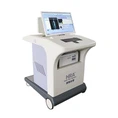
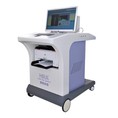
Our [link to the relevant system name] is designed to integrate all these factors seamlessly to provide a comprehensive and accurate health risk assessment. It uses advanced algorithms and data analytics to process the collected information and generate personalized risk reports. These reports not only highlight an individual's current health risks but also provide recommendations for preventive measures and lifestyle modifications.
For those interested in exploring more about our health risk assessment tools, you can visit the Human Health Risk Assessment Instrument, Full Body Check - Up Machine, and Full Body Checkup Machine pages on our website. These resources offer in - depth information about our state - of - the - art equipment and technologies.
If you are a healthcare provider, an insurance company, or an individual interested in improving health management, we invite you to contact us for a procurement discussion. Our team of experts is ready to assist you in understanding how our health risk appraisal system can meet your specific needs and contribute to better health outcomes.


References
- World Health Organization. (2023). Global Health Observatory data.
- American Heart Association. (2023). Heart disease and stroke statistics - 2023 update.
- National Cancer Institute. (2023). SEER cancer statistics review.
- Centers for Disease Control and Prevention. (2023). Health statistics and data.