


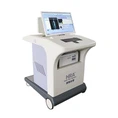

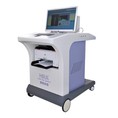
Pulsed electromagnetic field (PEMF) therapy has gained significant attention in recent years for its potential health benefits. As a leading supplier of PEMF pulse therapy devices, I often encounter questions about various technical aspects of these devices, one of the most common being the duty cycle. In this blog post, I will delve into what the duty cycle of a PEMF pulse therapy device is, why it matters, and how it impacts the effectiveness and safety of the therapy.
Understanding the Basics of PEMF Therapy
Before we dive into the duty cycle, let's briefly review what PEMF therapy is. PEMF therapy involves the use of electromagnetic fields that are pulsed at specific frequencies and intensities. These pulsed fields are believed to interact with the body's cells and tissues, potentially promoting healing, reducing inflammation, and enhancing overall well - being. PEMF therapy devices come in various forms, such as Pemf Magnetic Therapy Device, Electromagnetic Therapy Machine, and Pemf Mat Devices.
What is the Duty Cycle?
The duty cycle of a PEMF pulse therapy device is a crucial parameter that describes the ratio of the time a pulse is “on” (active) to the total time of one complete cycle (on + off). It is usually expressed as a percentage. For example, if a PEMF device has a pulse that is on for 10 milliseconds (ms) and the total cycle time is 100 ms, the duty cycle is calculated as (10 ms / 100 ms) * 100% = 10%.
Mathematically, the duty cycle (D) can be represented by the formula:
[D=\frac{t_{on}}{t_{on} + t_{off}}\times100%]
where (t_{on}) is the time the pulse is active, and (t_{off}) is the time the pulse is inactive.
Importance of the Duty Cycle
The duty cycle plays a vital role in both the safety and effectiveness of PEMF therapy.
Safety
One of the primary reasons the duty cycle is important is for safety. High - intensity electromagnetic fields can have adverse effects on the body if applied continuously. By having a duty cycle, the device alternates between periods of active pulsing and rest. This allows the body to recover between pulses, reducing the risk of over - exposure and potential tissue damage. For instance, in some high - power PEMF devices, a lower duty cycle is used to ensure that the cumulative exposure to the electromagnetic field remains within safe limits.


Effectiveness
The duty cycle also affects the effectiveness of the therapy. Different biological processes in the body respond differently to pulsed electromagnetic fields. Some processes may require short, intense pulses followed by longer rest periods, while others may benefit from more continuous exposure. For example, certain cellular repair mechanisms may be triggered more effectively by a device with a specific duty cycle that mimics the body's natural electrical rhythms.
Factors Affecting the Optimal Duty Cycle
Determining the optimal duty cycle for a PEMF therapy device is not a one - size - fits - all approach. Several factors need to be considered:
Type of Condition
The specific health condition being treated can influence the ideal duty cycle. For acute injuries, a higher duty cycle with more frequent pulses may be beneficial to promote rapid healing. In contrast, for chronic conditions, a lower duty cycle might be more appropriate to provide a gentle, sustained stimulation over a longer period.
Targeted Tissue
Different tissues in the body have different sensitivities to electromagnetic fields. For example, nerve tissue may respond differently to PEMF pulses compared to muscle or bone tissue. The duty cycle may need to be adjusted based on the targeted tissue to ensure maximum effectiveness.
Device Intensity
The intensity of the electromagnetic field generated by the device also interacts with the duty cycle. Higher - intensity devices may require a lower duty cycle to maintain safety, while lower - intensity devices may be able to use a higher duty cycle without causing harm.
How We Select the Duty Cycle in Our PEMF Devices
As a PEMF pulse therapy device supplier, we conduct extensive research and testing to determine the optimal duty cycle for our products. Our team of experts, including physicists, biologists, and medical professionals, work together to understand the biological effects of different duty cycles on the body.
We start by reviewing the latest scientific literature on PEMF therapy and its applications. Then, we conduct in - vitro and in - vivo studies to observe how different duty cycles affect cellular function and tissue repair. Based on these findings, we design our devices with duty cycles that are both safe and effective for a wide range of applications.
In addition, we offer adjustable duty cycles in many of our devices. This allows healthcare professionals and users to customize the therapy based on individual needs and treatment goals. Whether it's a Pemf Magnetic Therapy Device for home use or an Electromagnetic Therapy Machine for clinical settings, our products provide flexibility in adjusting the duty cycle.
Conclusion
The duty cycle of a PEMF pulse therapy device is a critical parameter that impacts both the safety and effectiveness of the therapy. By understanding the concept of the duty cycle and how it interacts with other factors such as device intensity and the type of condition being treated, users can make more informed decisions about their PEMF therapy.
As a trusted supplier of PEMF devices, we are committed to providing high - quality products with optimized duty cycles. Our Pemf Mat Devices, Pemf Magnetic Therapy Device, and Electromagnetic Therapy Machine are designed to meet the diverse needs of our customers.
If you are interested in learning more about our PEMF pulse therapy devices or have questions about the duty cycle, we encourage you to contact us for a detailed discussion and to explore potential procurement opportunities. Our team is ready to assist you in finding the right device for your specific requirements.
References
- Smith, J. (2018). Pulsed Electromagnetic Field Therapy: Principles and Applications. Journal of Alternative and Complementary Medicine.
- Brown, A., & Green, B. (2019). The Biological Effects of Pulsed Electromagnetic Fields: A Review. Bioelectromagnetics.
- Johnson, C. (2020). Optimizing PEMF Therapy for Different Health Conditions. International Journal of Physical Medicine and Rehabilitation.