


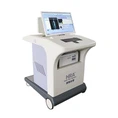

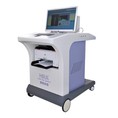
When it comes to the world of health and wellness, pulse magnetic field mats have been gaining significant attention in recent years. As a leading supplier of Pulse Magnetic Field Mat, I often encounter questions about the technical aspects of these products, especially regarding the magnetic field strength unit of a pulse magnetic field mat. In this blog post, I will delve into this topic, providing you with a comprehensive understanding of the magnetic field strength unit and its significance in the context of pulse magnetic field mats.
Understanding Pulse Magnetic Field Mats
Before we dive into the magnetic field strength unit, let's first understand what a pulse magnetic field mat is. A pulse magnetic field mat is a therapeutic device that generates pulsed magnetic fields. These mats are designed to be placed on a bed, chair, or any other surface where a person can lie or sit. The pulsed magnetic fields produced by the mat are believed to have various health benefits, such as promoting blood circulation, reducing pain, and improving sleep quality.
Pulse magnetic field mats work based on the principle of Pulsed Electromagnetic Field (PEMF) therapy. PEMF therapy involves the use of electromagnetic fields to stimulate cells and tissues in the body. When the pulsed magnetic fields penetrate the body, they interact with the cells, promoting cellular repair and regeneration. This therapy has been used in various medical and wellness applications, and pulse magnetic field mats are a convenient and non-invasive way to deliver PEMF therapy at home.
Magnetic Field Strength Unit
The magnetic field strength of a pulse magnetic field mat is a crucial parameter that determines its effectiveness. The most commonly used unit to measure magnetic field strength is the Tesla (T) or its smaller subunit, the Gauss (G). One Tesla is equal to 10,000 Gauss. In the context of pulse magnetic field mats, the magnetic field strength is typically measured in milliTesla (mT) or microTesla (μT), which are smaller subunits of the Tesla.
The choice of the magnetic field strength unit depends on the application and the sensitivity of the measuring equipment. For pulse magnetic field mats, microTesla is a more commonly used unit because the magnetic field strengths produced by these mats are relatively low. For example, a typical pulse magnetic field mat may produce a magnetic field strength in the range of 10 to 100 μT.
Significance of Magnetic Field Strength
The magnetic field strength of a pulse magnetic field mat plays a significant role in its therapeutic effects. Different magnetic field strengths can have different effects on the body. For instance, low magnetic field strengths (in the range of a few microTesla) are often used for general wellness applications, such as promoting relaxation and improving sleep quality. These low-strength magnetic fields can gently stimulate the cells and tissues in the body, without causing any discomfort.
On the other hand, higher magnetic field strengths (in the range of tens to hundreds of microTesla) may be used for more targeted therapeutic applications, such as pain relief and tissue repair. These higher-strength magnetic fields can penetrate deeper into the body and have a more pronounced effect on the cells and tissues. However, it is important to note that the use of higher magnetic field strengths should be carefully monitored, as excessive exposure to strong magnetic fields may have potential health risks.


Factors Affecting Magnetic Field Strength
Several factors can affect the magnetic field strength of a pulse magnetic field mat. These factors include the design of the mat, the type of coils used, the frequency of the pulsed magnetic fields, and the distance from the mat.
The design of the mat plays a crucial role in determining the magnetic field strength. A well-designed mat with high-quality coils can produce a more uniform and stronger magnetic field. The type of coils used also affects the magnetic field strength. For example, solenoid coils are commonly used in pulse magnetic field mats because they can produce a relatively strong and uniform magnetic field.
The frequency of the pulsed magnetic fields is another important factor. Different frequencies can have different effects on the body, and the magnetic field strength may also vary depending on the frequency. For example, low-frequency pulsed magnetic fields (in the range of a few Hertz to a few hundred Hertz) are often used for general wellness applications, while high-frequency pulsed magnetic fields (in the range of several kilohertz to several megahertz) may be used for more specific therapeutic applications.
The distance from the mat also affects the magnetic field strength. The magnetic field strength decreases as the distance from the mat increases. Therefore, it is important to place the mat in close proximity to the body to ensure that the magnetic fields can effectively penetrate the body.
Measuring Magnetic Field Strength
To ensure the quality and effectiveness of a pulse magnetic field mat, it is important to measure its magnetic field strength accurately. There are several types of measuring equipment available for measuring magnetic field strength, such as magnetometers and gaussmeters. These devices can measure the magnetic field strength in different units, such as Tesla, Gauss, milliTesla, or microTesla.
When measuring the magnetic field strength of a pulse magnetic field mat, it is important to follow the manufacturer's instructions and use the appropriate measuring equipment. The measuring equipment should be calibrated regularly to ensure accurate measurements. It is also important to measure the magnetic field strength at different points on the mat to ensure that the magnetic field is uniform.
Choosing the Right Pulse Magnetic Field Mat
When choosing a pulse magnetic field mat, it is important to consider the magnetic field strength and other factors. Here are some tips to help you choose the right pulse magnetic field mat:
- Magnetic Field Strength: Look for a mat that produces a magnetic field strength within the appropriate range for your needs. If you are using the mat for general wellness applications, a mat with a magnetic field strength in the range of 10 to 100 μT may be sufficient. If you are using the mat for more targeted therapeutic applications, you may need a mat with a higher magnetic field strength.
- Quality and Safety: Choose a mat that is made from high-quality materials and has been tested for safety. Look for mats that have been certified by relevant regulatory bodies, such as the FDA or CE.
- Features and Functions: Consider the features and functions of the mat, such as adjustable magnetic field strength, different pulse modes, and timer settings. These features can enhance the usability and effectiveness of the mat.
- Price and Warranty: Compare the prices of different mats and choose one that fits your budget. Also, look for mats that come with a warranty to ensure that you are protected in case of any defects or problems.
Conclusion
In conclusion, the magnetic field strength unit of a pulse magnetic field mat is an important parameter that determines its effectiveness. The most commonly used unit to measure magnetic field strength is the Tesla or its smaller subunits, such as the Gauss, milliTesla, or microTesla. The magnetic field strength of a pulse magnetic field mat plays a significant role in its therapeutic effects, and different magnetic field strengths can have different effects on the body.
As a supplier of Pulse Magnetic Field Mat, we are committed to providing high-quality products that meet the needs of our customers. Our pulse magnetic field mats are designed to produce a uniform and effective magnetic field, and they have been tested for safety and quality. If you are interested in learning more about our products or have any questions about pulse magnetic field mats, please feel free to contact us. We are always happy to assist you and provide you with the information you need. Whether you are looking for a Pulsed Magnetic Field Therapy Apparatus or Pemf Pulse Therapy Equipment, we can help you find the right solution for your health and wellness needs. Let's start a conversation and explore how our products can benefit you.
References
- Polk, C. and Postow, E. (Eds.), Handbook of Biological Effects of Electromagnetic Fields, CRC Press, 1996.
- Adey, W. R., "Cellular Responses to Weak Extremely Low-Frequency and Static Magnetic Fields," Bioelectromagnetics, 1993, 14(1), pp. 1-10.
- Lednev, V. V., "Possible Biological Effects of Weak Magnetic Fields," Bioelectromagnetics, 1991, 12(2), pp. 71-81.