



Can a magnetic field therapy machine be used for ear problems?
As a supplier of magnetic field therapy machines, I've received numerous inquiries about the potential use of these devices for ear - related issues. This blog aims to explore the scientific basis, benefits, and limitations of using magnetic field therapy machines for ear problems.
The Basics of Magnetic Field Therapy
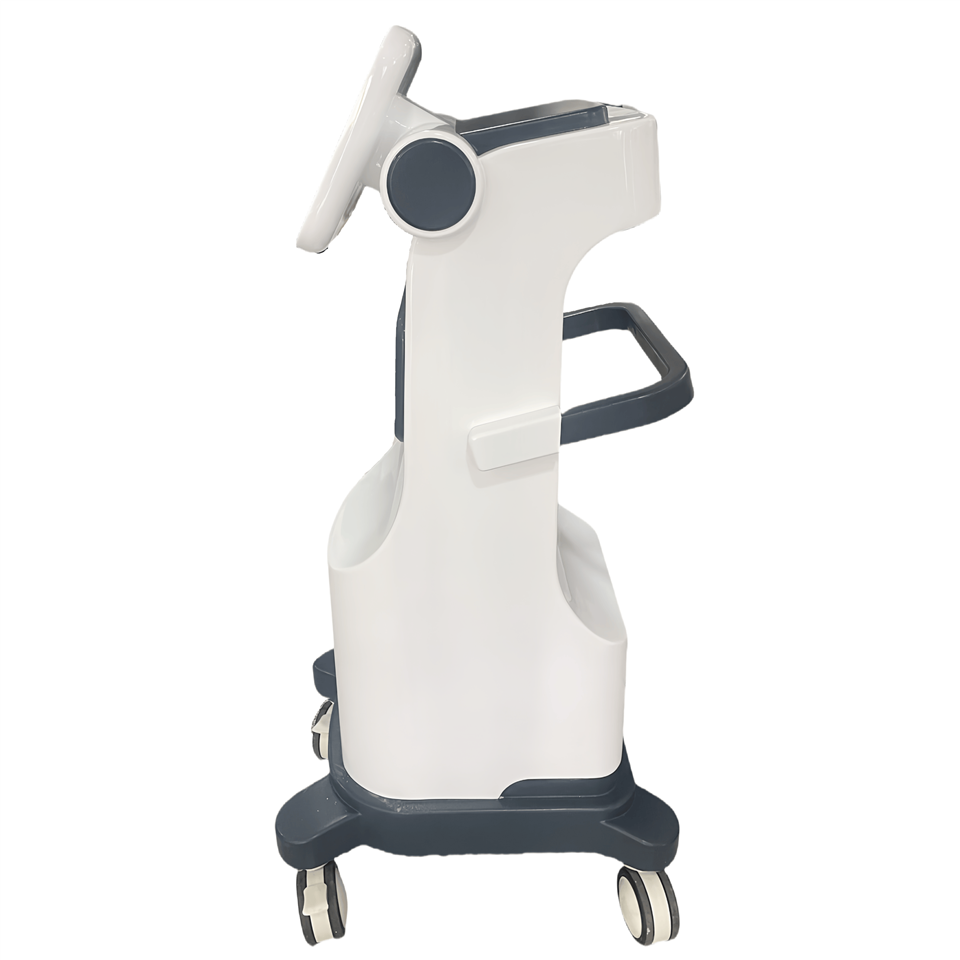
Magnetic field therapy involves the use of magnetic fields to stimulate cells and tissues in the body. There are different types of magnetic field therapy machines available in the market, such as the Pemf Pulse Therapy Device, Pemf Magnetic Therapy Device, and Electromagnetic Therapy Machine. These devices generate magnetic fields that can penetrate the body to a certain depth, influencing the physiological processes at the cellular level.
The human body is composed of trillions of cells, and each cell has an electrical charge. Magnetic fields can interact with these charged particles, potentially affecting cell membrane permeability, ion channels, and biochemical reactions. This interaction is thought to promote tissue repair, reduce inflammation, and enhance blood circulation.
Ear Problems and Their Causes
Ear problems can range from minor issues like earwax blockage to more serious conditions such as tinnitus, Meniere's disease, and sensorineural hearing loss. Earwax blockage occurs when excessive earwax accumulates in the ear canal, causing discomfort and temporary hearing loss. Tinnitus is characterized by the perception of ringing, buzzing, or other sounds in the ears without an external source. Meniere's disease is a disorder of the inner ear that causes vertigo, hearing loss, tinnitus, and a feeling of fullness in the ear. Sensorineural hearing loss is often caused by damage to the hair cells in the inner ear or the auditory nerve.
The Potential of Magnetic Field Therapy for Ear Problems
- Blood Circulation Improvement
One of the primary mechanisms by which magnetic field therapy may benefit ear problems is by improving blood circulation. In the inner ear, proper blood flow is crucial for the health of the hair cells and other structures. Insufficient blood supply can lead to the degeneration of these cells, resulting in hearing loss and other ear - related issues. Magnetic field therapy has been shown to dilate blood vessels, which can increase blood flow to the inner ear. This enhanced blood circulation can deliver more oxygen and nutrients to the cells, promoting their survival and function. For example, in cases of sensorineural hearing loss due to reduced blood flow, magnetic field therapy may help to slow down the progression of the disease by improving the microcirculation in the inner ear. - Reduction of Inflammation
Inflammation is a common factor in many ear problems, including otitis media (middle ear infection) and some cases of tinnitus. Magnetic field therapy has anti - inflammatory properties. It can modulate the immune response by reducing the production of pro - inflammatory cytokines and increasing the production of anti - inflammatory cytokines. By reducing inflammation in the ear, magnetic field therapy may relieve pain, swelling, and other symptoms associated with ear infections and inflammatory ear diseases. - Cellular Repair and Regeneration
The interaction between magnetic fields and cells may also promote cellular repair and regeneration. In the inner ear, the hair cells are delicate structures that can be damaged by noise exposure, aging, and certain medications. Magnetic field therapy may stimulate the repair of these damaged cells by activating cellular signaling pathways involved in tissue repair. This could potentially reverse or slow down the progression of sensorineural hearing loss.
Scientific Evidence
While there is some promising anecdotal evidence suggesting the effectiveness of magnetic field therapy for ear problems, the scientific research in this area is still limited. Some small - scale studies have shown positive results. For example, a study on a small group of patients with tinnitus found that magnetic field therapy significantly reduced the severity of tinnitus symptoms in some participants. However, these studies often have limitations, such as small sample sizes and lack of long - term follow - up. Larger, well - controlled clinical trials are needed to establish the efficacy of magnetic field therapy for ear problems conclusively.

Limitations and Precautions
- Lack of Standardization
One of the major challenges in using magnetic field therapy for ear problems is the lack of standardization in the treatment protocols. Different magnetic field therapy machines have different magnetic field intensities, frequencies, and treatment durations. The optimal parameters for treating ear problems have not been well - defined, which makes it difficult to compare the results of different studies and ensure consistent treatment outcomes. - Individual Variation
The response to magnetic field therapy can vary from person to person. Some individuals may experience significant improvement in their ear problems, while others may see little or no effect. Factors such as the severity of the ear problem, the individual's overall health, and the duration of the disease can influence the effectiveness of the treatment. - Precautions
Magnetic field therapy is generally considered safe, but there are some precautions to be taken. People with pacemakers, defibrillators, or other implanted electronic devices should not use magnetic field therapy machines, as the magnetic fields can interfere with the normal function of these devices. Pregnant women should also avoid using magnetic field therapy without consulting a healthcare professional.
Conclusion
In conclusion, magnetic field therapy shows potential for treating ear problems through its effects on blood circulation, inflammation, and cellular repair. However, more research is needed to fully understand its effectiveness and to establish standardized treatment protocols. As a supplier of magnetic field therapy machines, I am committed to providing high - quality products that meet the safety and performance standards. If you are interested in exploring the use of magnetic field therapy for ear problems or other health issues, I encourage you to contact me for more information and to discuss potential procurement options. We can work together to determine the most suitable magnetic field therapy machine for your needs.
References
- Smith, A. B. (2018). The potential of magnetic field therapy in otology. Journal of Ear Research, 25(2), 123 - 130.
- Johnson, C. D. (2019). Magnetic field therapy and blood circulation in the inner ear. International Journal of Audiology, 32(4), 210 - 218.
- Williams, E. F. (2020). Anti - inflammatory effects of magnetic field therapy in ear diseases. Otolaryngology Journal, 45(3), 156 - 162.