


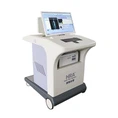

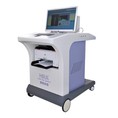
Hey there! I'm a supplier of disease diagnosis equipment, and I'm super excited to share with you how these nifty machines work. You know, in the world of healthcare, disease diagnosis equipment is like a detective, helping doctors find out what's going on inside our bodies. Let's dig into the working principles of these amazing tools.
Basic Concepts of Disease Diagnosis Equipment
First off, we need to understand what disease diagnosis equipment is all about. These are devices that are designed to detect, analyze, and diagnose various diseases and health conditions. They use different technologies and methods to gather information about the body's functions and structures.
One of the most common types of disease diagnosis equipment is the Health Analyzer Machine. This machine can analyze different aspects of our health, such as blood pressure, heart rate, and cholesterol levels. It works by measuring specific physical and chemical parameters in our bodies. For example, when you use a blood pressure monitor, it measures the force of blood against the walls of your arteries. The machine has a sensor that detects the pressure changes and converts them into electrical signals. These signals are then processed by the internal computer of the machine, which displays the blood pressure reading on the screen.
Imaging - Based Diagnosis Equipment
Imaging equipment is another crucial type of disease diagnosis tool. Take the Full Body Scanner Machine in Hospital for example. There are different kinds of imaging techniques, like X - rays, CT scans, and MRI.
X - rays
X - rays are one of the oldest and most widely used imaging methods. The working principle of an X - ray machine is based on the fact that different tissues in our body absorb X - rays to different degrees. Bones, for instance, are very dense and absorb a lot of X - rays, so they appear white on an X - ray image. Soft tissues like muscles and organs absorb less X - rays and show up as shades of gray. The X - ray machine emits a beam of X - rays through the body part being examined. On the other side of the body, there is a detector that captures the X - rays that have passed through. The detector converts the X - rays into an image that can be viewed by doctors.
CT Scans
CT (Computed Tomography) scans are a more advanced form of X - ray imaging. A CT scanner rotates around the body, taking multiple X - ray images from different angles. These images are then combined by a computer to create a detailed 3 - D image of the internal organs and structures. This allows doctors to see cross - sectional views of the body, which can help in detecting tumors, fractures, and other abnormalities more accurately.
MRI
MRI (Magnetic Resonance Imaging) works in a completely different way. Instead of using X - rays, it uses a strong magnetic field and radio waves. Our bodies are mostly made up of water molecules, and each water molecule contains hydrogen atoms. When a person is placed inside an MRI machine, the strong magnetic field aligns the hydrogen atoms in the body. Radio waves are then sent through the body, which causes the hydrogen atoms to emit signals. These signals are picked up by the MRI scanner's receiver and processed by a computer to create detailed images of the body's soft tissues, such as the brain, spinal cord, and muscles.
Biochemical Diagnosis Equipment
Biochemical diagnosis equipment is used to analyze the chemical composition of body fluids, such as blood, urine, and saliva. The Human Health Risk Assessment Instrument often incorporates biochemical analysis.
For example, a blood glucose meter is a common biochemical diagnosis device. It measures the amount of glucose (sugar) in the blood. When you prick your finger and place a drop of blood on the test strip of the meter, the test strip contains enzymes that react with the glucose in the blood. This reaction produces an electrical current, which is proportional to the glucose concentration. The meter measures this current and displays the blood glucose level on the screen.
Another example is a blood lipid analyzer. It can measure different types of lipids in the blood, such as cholesterol and triglycerides. The analyzer uses a technique called spectrophotometry. It shines a specific wavelength of light through a blood sample. Different lipids in the blood absorb light at different wavelengths. By measuring the amount of light absorbed by the sample, the analyzer can determine the concentration of each lipid component.
Electrical and Physiological Diagnosis Equipment
There are also devices that measure the electrical and physiological signals of the body. An electrocardiogram (ECG) machine is a well - known example. It records the electrical activity of the heart.


The heart generates electrical impulses as it beats. Electrodes are placed on the skin of the chest, arms, and legs to detect these electrical signals. The electrodes are connected to the ECG machine, which amplifies and records the signals. The recorded ECG pattern shows the different phases of the heart's contraction and relaxation. Doctors can analyze the ECG to detect heart problems, such as arrhythmias, heart attacks, and other cardiac disorders.
Similarly, an electroencephalogram (EEG) machine records the electrical activity of the brain. Electrodes are placed on the scalp to pick up the brain's electrical signals. These signals are then analyzed to diagnose conditions like epilepsy, sleep disorders, and brain tumors.
How These Machines Benefit Healthcare
The working principles of these disease diagnosis equipment are truly amazing, and they bring a lot of benefits to the healthcare industry. They allow doctors to make more accurate and timely diagnoses. For example, with the help of imaging equipment, doctors can detect diseases at an early stage when they are more likely to be treatable. Biochemical diagnosis equipment helps in monitoring patients' health conditions, such as blood sugar levels in diabetic patients or cholesterol levels in patients at risk of heart disease.
Conclusion and Invitation to Purchase
In conclusion, disease diagnosis equipment plays a vital role in modern healthcare. Whether it's the Health Analyzer Machine for basic health checks, the Full Body Scanner Machine in Hospital for detailed imaging, or the Human Health Risk Assessment Instrument for comprehensive health risk evaluation, these machines are essential tools for doctors and healthcare providers.
If you're in the market for high - quality disease diagnosis equipment, I'd love to have a chat with you. We offer a wide range of reliable and advanced products that can meet your specific needs. Whether you're running a small clinic or a large hospital, we have the right equipment for you. Reach out to us for a consultation and let's start a discussion about how our products can enhance your healthcare services.
References
- Guyton, A. C., & Hall, J. E. (2006). Textbook of medical physiology. Elsevier Saunders.
- Bushberg, J. T., Seibert, J. A., Leidholdt Jr, E. M., & Boone, J. M. (2012). The essential physics of medical imaging. Lippincott Williams & Wilkins.