


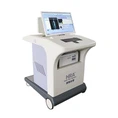

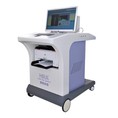
In today's fast - paced world, maintaining good health has become a top priority for many individuals. As a leading supplier of health risk assessment devices, we understand the crucial role these devices play in early detection and prevention of various health issues. Our state - of - the - art devices are designed to identify a wide range of health risks, enabling individuals and healthcare providers to take proactive steps towards better health.
Cardiovascular Health Risks
One of the most significant areas where our health risk assessment devices excel is in detecting cardiovascular health risks. Heart disease remains the leading cause of death globally, and early detection is key to preventing serious complications. Our devices can analyze factors such as blood pressure, cholesterol levels, and blood sugar levels. High blood pressure, also known as hypertension, is a silent killer that often goes undetected until it causes significant damage. Our Health Risk Appraisal System can accurately measure blood pressure and provide detailed reports on its trends over time. By identifying elevated blood pressure early, individuals can make lifestyle changes such as reducing salt intake, increasing physical activity, and taking prescribed medications if necessary.
Cholesterol is another important factor in cardiovascular health. High levels of low - density lipoprotein (LDL) cholesterol, often referred to as "bad" cholesterol, can lead to the buildup of plaque in the arteries, increasing the risk of heart attacks and strokes. Our devices can measure cholesterol levels and provide an assessment of an individual's overall cardiovascular risk based on these readings. This information allows healthcare providers to develop personalized treatment plans, which may include dietary modifications, exercise regimens, and cholesterol - lowering medications.
Metabolic Health Risks
Metabolic health is closely linked to overall well - being, and our health risk assessment devices can detect several metabolic health risks. Diabetes is a growing concern worldwide, and early detection is crucial for managing the condition effectively. Our Sub - Health Analyzer can measure blood sugar levels and identify individuals who are at risk of developing diabetes. It can also assess insulin resistance, a precursor to type 2 diabetes. By detecting these risks early, individuals can make lifestyle changes such as adopting a healthy diet, increasing physical activity, and losing weight if necessary to prevent or delay the onset of diabetes.
Obesity is another significant metabolic health risk. Our devices can measure body composition, including body fat percentage, muscle mass, and visceral fat. Visceral fat, which is the fat stored around the organs in the abdomen, is particularly harmful as it is associated with an increased risk of metabolic disorders, cardiovascular disease, and certain types of cancer. By providing detailed information about body composition, our devices can help individuals set realistic weight loss goals and track their progress over time.
Respiratory Health Risks
Respiratory diseases such as asthma, chronic obstructive pulmonary disease (COPD), and lung cancer are major health concerns. Our health risk assessment devices can detect early signs of respiratory problems. For example, they can measure lung function parameters such as forced expiratory volume in one second (FEV1) and forced vital capacity (FVC). Abnormalities in these measurements can indicate the presence of respiratory diseases. Our Full Body Health Analyzer Machine can also analyze the levels of certain biomarkers in the blood that are associated with respiratory inflammation and damage. By detecting these early signs, individuals can seek appropriate medical treatment and make lifestyle changes such as quitting smoking, avoiding environmental pollutants, and following a prescribed treatment plan.
Musculoskeletal Health Risks
Musculoskeletal disorders, including osteoporosis, arthritis, and back pain, can significantly impact an individual's quality of life. Our devices can assess bone density to detect the early stages of osteoporosis. Osteoporosis is a condition characterized by low bone mass and deterioration of bone tissue, which increases the risk of fractures. By identifying individuals at risk of osteoporosis early, healthcare providers can recommend lifestyle changes such as increasing calcium and vitamin D intake, engaging in weight - bearing exercises, and in some cases, prescribing medications to prevent bone loss.
Our devices can also analyze joint mobility and muscle strength. Reduced joint mobility and muscle weakness can be early signs of arthritis or other musculoskeletal conditions. By detecting these issues early, individuals can start physical therapy, exercise programs, or other treatments to manage their condition and prevent further deterioration.
Mental Health Risks
Mental health is an integral part of overall health, and our health risk assessment devices can play a role in detecting mental health risks. Although direct measurement of mental health is complex, our devices can analyze physiological markers that are associated with stress, anxiety, and depression. For example, they can measure cortisol levels, a hormone that is released in response to stress. Elevated cortisol levels over an extended period can contribute to a range of physical and mental health problems. By detecting abnormal cortisol levels, individuals can be advised to adopt stress - management techniques such as meditation, deep breathing exercises, and regular physical activity.
Our devices can also analyze sleep patterns, as poor sleep is often associated with mental health issues. By providing information about sleep quality, duration, and disruptions, individuals can take steps to improve their sleep hygiene, which can have a positive impact on their mental well - being.


Cancer Risks
While our health risk assessment devices cannot diagnose cancer directly, they can detect certain risk factors associated with cancer. For example, they can measure the levels of certain tumor markers in the blood. Tumor markers are substances produced by cancer cells or the body in response to cancer. Elevated levels of certain tumor markers can indicate an increased risk of developing specific types of cancer, such as prostate cancer, breast cancer, or colorectal cancer. However, it's important to note that elevated tumor marker levels do not necessarily mean that a person has cancer, and further diagnostic tests are usually required for a definitive diagnosis.
In addition, our devices can assess lifestyle factors such as smoking, alcohol consumption, and diet, which are known to be associated with an increased risk of cancer. By providing individuals with information about these risk factors, they can make informed decisions about lifestyle changes to reduce their cancer risk.
As a supplier of high - quality health risk assessment devices, we are committed to providing accurate and reliable information to help individuals and healthcare providers make informed decisions about health management. Our devices offer a comprehensive approach to health risk assessment, covering multiple aspects of health. If you are interested in learning more about our products or are considering purchasing our health risk assessment devices for your clinic, hospital, or personal use, we encourage you to contact us for a detailed discussion. We are ready to assist you in finding the best solution to meet your specific needs.
References
- American Heart Association. "Heart Disease and Stroke Statistics - 2023 Update."
- World Health Organization. "Global Status Report on Noncommunicable Diseases 2022."
- National Institute of Diabetes and Digestive and Kidney Diseases. "Diabetes Statistics."
- Arthritis Foundation. "Arthritis Statistics."
- American Cancer Society. "Cancer Facts and Figures 2023."