


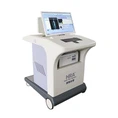

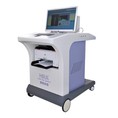
In the realm of modern healthcare, the demand for comprehensive and accessible health monitoring solutions has been on a steady rise. As a leading supplier of Health Risk Assessment Device, we are at the forefront of providing innovative tools that empower individuals and healthcare professionals to proactively manage health. One question that often arises is whether a health risk assessment device can measure oxygen saturation. In this blog, we will delve into this topic, exploring the capabilities of our devices and the significance of oxygen saturation in overall health assessment.
Understanding Oxygen Saturation
Oxygen saturation, often referred to as SpO2, is a measure of the percentage of hemoglobin in the blood that is saturated with oxygen. It is a crucial physiological parameter that provides insights into the body's ability to transport oxygen from the lungs to the tissues. Normal oxygen saturation levels typically range between 95% and 100% in healthy individuals breathing room air at sea level. Levels below 90% are considered hypoxic and may indicate a variety of health issues, including respiratory disorders, heart conditions, or altitude sickness.
Monitoring oxygen saturation is essential for several reasons. It helps in the early detection of oxygen deficiency, which can prevent the progression of serious health problems. In patients with chronic respiratory diseases such as chronic obstructive pulmonary disease (COPD) or asthma, regular SpO2 monitoring can assist in adjusting treatment plans and managing exacerbations. Additionally, in high - risk situations such as during surgery, anesthesia, or in intensive care units, continuous oxygen saturation monitoring is a standard practice to ensure patient safety.
The Functionality of Health Risk Assessment Devices
Our Health Risk Assessment Device is designed to offer a comprehensive evaluation of an individual's health status. These devices utilize advanced technologies to collect a wide range of physiological data, including but not limited to heart rate, blood pressure, and body composition. The question of whether they can measure oxygen saturation depends on the specific features and capabilities of the device.
Some of our more advanced models are indeed equipped with the functionality to measure oxygen saturation. These devices use a technique called pulse oximetry, which is a non - invasive method for measuring SpO2. Pulse oximeters work by emitting two wavelengths of light (usually red and infrared) through a thin part of the body, such as a fingertip or an earlobe. Hemoglobin absorbs light differently depending on whether it is oxygenated or deoxygenated. By measuring the amount of light absorbed at each wavelength, the device can calculate the oxygen saturation level.
The integration of oxygen saturation measurement into our health risk assessment devices provides several advantages. It allows for a more holistic view of an individual's health. For example, when combined with other data such as heart rate and blood pressure, oxygen saturation levels can help in identifying potential cardiovascular or respiratory problems. A sudden drop in oxygen saturation accompanied by an increase in heart rate may indicate a breathing problem or a cardiac event.
Benefits of Measuring Oxygen Saturation with Health Risk Assessment Devices
One of the key benefits of using our health risk assessment devices to measure oxygen saturation is convenience. Instead of having to use a separate pulse oximeter, individuals can get a comprehensive health assessment, including SpO2 measurement, in one go. This is particularly useful for home healthcare settings, where patients can easily monitor their health status on a regular basis without the need to visit a healthcare facility.
Moreover, our devices are designed to be user - friendly. They come with intuitive interfaces that make it easy for individuals to understand their health data. The data collected by the device can be stored and analyzed over time, allowing for the tracking of trends in oxygen saturation levels. This long - term monitoring can be invaluable in detecting early signs of health deterioration and making informed decisions about lifestyle changes or medical interventions.


In a healthcare professional setting, our Health Risk Appraisal System that includes oxygen saturation measurement can streamline the patient assessment process. Doctors and nurses can quickly access a patient's comprehensive health data, including SpO2, which can aid in more accurate diagnosis and treatment planning. This can lead to improved patient outcomes and more efficient use of healthcare resources.
Accuracy and Reliability
The accuracy of oxygen saturation measurement is of utmost importance. Our health risk assessment devices that measure SpO2 are designed to meet high - quality standards. They are calibrated to provide accurate readings within a clinically acceptable range. However, it is important to note that factors such as poor circulation, nail polish, or movement can affect the accuracy of pulse oximetry readings.
To ensure the reliability of the measurements, our devices are equipped with advanced signal processing algorithms. These algorithms can filter out noise and artifacts caused by movement or other external factors, providing more stable and accurate readings. Additionally, regular calibration and maintenance of the devices are recommended to ensure continued accuracy.
Applications in Different Health Scenarios
Our health risk assessment devices with oxygen saturation measurement capabilities have a wide range of applications. In the field of preventive healthcare, they can be used for early screening of individuals at risk of developing respiratory or cardiovascular diseases. For example, in a corporate wellness program, employees can undergo a health assessment that includes SpO2 measurement. This can help in identifying individuals who may need further medical evaluation or lifestyle modifications.
In the management of chronic diseases, such as sleep apnea, oxygen saturation monitoring can be crucial. Patients with sleep apnea often experience drops in oxygen saturation during sleep. By using our device to monitor SpO2 levels at home, patients and their healthcare providers can better understand the severity of the condition and adjust treatment accordingly.
Conclusion and Call to Action
In conclusion, our Health Risk Assessment Device can indeed measure oxygen saturation in many of our advanced models. The integration of SpO2 measurement into our devices offers a more comprehensive and convenient approach to health assessment. Whether you are an individual looking to take control of your health or a healthcare professional seeking efficient patient assessment tools, our devices can provide valuable insights.
If you are interested in learning more about our products or are considering a purchase for your personal use, healthcare facility, or corporate wellness program, we encourage you to reach out. Our team of experts is ready to assist you in selecting the right Sub - Health Analyzer or health risk assessment device that meets your specific needs. Contact us today to start a discussion about how our devices can enhance your health monitoring capabilities.
References
- American Thoracic Society. (2019). Clinical practice guidelines for home oxygen therapy in adults.
- Kacmarek, R. M., Stoller, J. K., & Heuer, A. J. (2017). Egan's Fundamentals of Respiratory Care. Elsevier.
- Ohmeda. (2003). Pulse oximetry: Principles and limitations.