



In today's era, where health has become a top priority for many, the demand for mobile health risk assessment devices is on the rise. As a supplier of health risk assessment devices, I am deeply involved in this field and have witnessed the evolution and significance of these devices. This blog aims to explore the existence, functionality, and benefits of mobile health risk assessment devices.
The Emergence of Mobile Health Risk Assessment Devices
With the rapid advancement of technology, the healthcare industry has experienced a significant transformation. Mobile health risk assessment devices have emerged as a revolutionary solution, bridging the gap between traditional healthcare and modern convenience. These devices offer individuals the ability to monitor their health status in real - time, anywhere and at any time.
Mobile health risk assessment devices come in various forms, from simple wearable devices to more advanced handheld scanners. Wearable devices such as fitness trackers have become extremely popular. They can monitor basic health parameters like heart rate, steps taken, and sleep quality. These data are then analyzed to provide users with an overall picture of their physical activity and health trends. For example, a person who wears a fitness tracker can easily see if their heart rate is within a normal range during exercise or if they are getting enough sleep at night.
On the other hand, more advanced mobile devices are capable of conducting in - depth health risk assessments. These devices use cutting - edge technologies such as bioelectrical impedance analysis, infrared spectroscopy, and sensor - based diagnostics. They can detect potential health issues by analyzing factors like body composition, blood sugar levels, and even the presence of certain biomarkers associated with diseases.


How Mobile Health Risk Assessment Devices Work
The working principle of mobile health risk assessment devices varies depending on their type and functionality. Let's take a closer look at some of the common technologies used in these devices.
Bioelectrical impedance analysis (BIA) is a widely used method in many mobile health devices. It works by sending a small, painless electrical current through the body. Since different tissues in the body have different electrical conductivities, the impedance of the current flow can be measured. Based on this measurement, the device can estimate body composition, including fat mass, muscle mass, and water content. This information is crucial for assessing overall health and fitness levels.
Infrared spectroscopy is another technology employed in some advanced mobile devices. It uses infrared light to analyze the chemical composition of biological samples, such as blood or tissue. By detecting the absorption and emission of infrared light by different molecules, the device can identify specific biomarkers associated with diseases. For example, it can detect elevated levels of glucose in the blood, which may indicate diabetes.
Sensor - based diagnostics rely on a variety of sensors to measure different physiological parameters. These sensors can be designed to detect temperature, pressure, pH levels, and other vital signs. For instance, a mobile device with a temperature sensor can be used to monitor body temperature, which is an important indicator of health, especially in the case of infections.
Benefits of Mobile Health Risk Assessment Devices
The benefits of mobile health risk assessment devices are numerous and far - reaching. Firstly, they provide individuals with greater control over their health. By having access to real - time health data, people can make informed decisions about their lifestyle choices, such as diet, exercise, and sleep. For example, if a person sees that their blood pressure is consistently high, they can take steps to reduce it by making dietary changes or increasing physical activity.
Secondly, these devices can facilitate early detection of health problems. Many diseases, such as cancer and heart disease, are more treatable when detected in the early stages. Mobile health risk assessment devices can detect subtle changes in the body's physiological parameters, which may be early signs of a disease. This allows for timely medical intervention and potentially better treatment outcomes.
Thirdly, mobile health risk assessment devices can reduce the burden on the healthcare system. By enabling individuals to monitor their health at home, the need for frequent doctor visits can be reduced. This not only saves time and money for patients but also frees up healthcare resources for more critical cases.
Our Company's Offerings
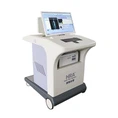
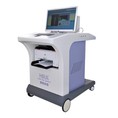
As a supplier of health risk assessment devices, we offer a range of high - quality products that meet the diverse needs of our customers. Our Full Body Scanner Machine in Hospital is a state - of - the - art device that can provide a comprehensive health assessment. It uses advanced imaging and sensor technologies to scan the entire body and detect potential health issues. This device is suitable for hospitals, clinics, and other healthcare institutions.
Our Full Body Health Analyzer Machine is designed for home use. It is easy to operate and can provide accurate health information in a short time. With this device, individuals can monitor their health regularly without having to visit a medical facility.
In addition, our Disease Diagnosis Equipment is capable of detecting a wide range of diseases. It uses the latest diagnostic technologies to identify specific biomarkers associated with different diseases, providing reliable diagnostic results.
Conclusion
In conclusion, there are indeed many mobile health risk assessment devices available in the market today. These devices, with their advanced technologies and numerous benefits, are changing the way we approach healthcare. As a supplier, we are committed to providing high - quality health risk assessment devices that can help individuals and healthcare institutions improve health outcomes.
If you are interested in our products and would like to discuss procurement, please feel free to reach out. We are more than happy to have in - depth discussions about your specific needs and provide you with the best solutions.
References
- World Health Organization. (2023). Global strategy on digital health 2020 - 2025.
- American Medical Association. (2022). The role of mobile health technologies in improving healthcare.
- IEEE Transactions on Biomedical Engineering. Various issues on the development of mobile health devices.