


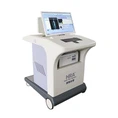

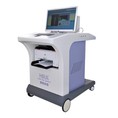
In the dynamic landscape of modern healthcare, health risk assessment devices have emerged as indispensable tools for early detection and prevention of various health conditions. As a supplier of cutting-edge health risk assessment devices, I've witnessed firsthand the transformative impact these technologies have on healthcare delivery. One of the most debated topics in this field is whether health risk assessment devices need to be connected to a computer. In this blog post, I'll delve into the advantages and disadvantages of connecting these devices to a computer, and share my insights on the future of this technology.
Advantages of Connecting Health Risk Assessment Devices to a Computer
1. Enhanced Data Management
One of the primary benefits of connecting health risk assessment devices to a computer is the ability to manage and analyze data more effectively. Computers offer a vast storage capacity, allowing for the collection and retention of large volumes of patient data. This data can be organized into comprehensive databases, making it easier for healthcare providers to track patient health trends over time. For example, by analyzing a patient's health risk assessment data collected over several months or years, doctors can identify patterns and predict potential health issues before they become serious.
Moreover, computers are equipped with powerful software tools that can perform complex data analysis. These tools can generate detailed reports, graphs, and charts, providing healthcare providers with a clear and concise overview of a patient's health status. This information can be used to make informed decisions about treatment plans, lifestyle recommendations, and preventive measures.
2. Integration with Electronic Health Records (EHRs)
Connecting health risk assessment devices to a computer enables seamless integration with electronic health records (EHRs). EHRs are digital versions of a patient's medical history, including diagnoses, medications, allergies, and test results. By integrating health risk assessment data with EHRs, healthcare providers can access a comprehensive view of a patient's health information in one centralized location.
This integration not only improves the efficiency of healthcare delivery but also enhances patient safety. For example, if a patient has a history of heart disease and is undergoing a health risk assessment, the healthcare provider can quickly access their EHR to review their previous test results, medications, and treatment history. This information can help the provider make more accurate diagnoses and develop personalized treatment plans.
3. Remote Monitoring and Telemedicine
In today's digital age, remote monitoring and telemedicine have become increasingly popular. Connecting health risk assessment devices to a computer allows for real-time data transmission, enabling healthcare providers to monitor patients remotely. This is particularly beneficial for patients with chronic conditions who require regular monitoring but may have difficulty visiting a healthcare facility in person.
For example, patients with diabetes can use a connected health risk assessment device to measure their blood glucose levels at home and transmit the data to their healthcare provider. The provider can then review the data and adjust the patient's treatment plan as needed. This not only improves the patient's quality of life but also reduces the burden on the healthcare system.
4. Software Updates and Improvements
Health risk assessment devices rely on software to function effectively. Connecting these devices to a computer allows for easy software updates and improvements. Manufacturers can release software patches and new features remotely, ensuring that the devices are always up-to-date with the latest technology and algorithms.
Software updates can also improve the accuracy and reliability of the devices. For example, if a new research study reveals a more accurate way to assess a particular health risk, the manufacturer can update the device's software to incorporate this new knowledge. This ensures that healthcare providers are using the most advanced and effective tools available to assess patient health.
Disadvantages of Connecting Health Risk Assessment Devices to a Computer
1. Technical Challenges
Connecting health risk assessment devices to a computer can pose several technical challenges. These devices often require specific software and hardware configurations to function properly. Healthcare providers may need to invest in additional equipment, such as servers, routers, and cables, to ensure a stable and secure connection.
Moreover, technical issues such as software bugs, compatibility problems, and network outages can disrupt the operation of the devices. These issues can lead to delays in data collection and analysis, and may even result in the loss of important patient information. Healthcare providers need to have a dedicated IT support team to address these technical challenges promptly.
2. Privacy and Security Concerns
Connecting health risk assessment devices to a computer raises significant privacy and security concerns. Patient health data is highly sensitive and must be protected from unauthorized access, use, and disclosure. Healthcare providers need to implement robust security measures, such as encryption, firewalls, and access controls, to safeguard patient information.
However, despite these security measures, there is always a risk of data breaches. Hackers may target healthcare organizations to steal patient data for financial gain or other malicious purposes. A data breach can not only damage the reputation of the healthcare provider but also have serious consequences for the patients whose data has been compromised.


3. Cost
Connecting health risk assessment devices to a computer can be costly. In addition to the cost of the devices themselves, healthcare providers need to invest in software licenses, hardware upgrades, and IT support services. These costs can be a significant burden, especially for small healthcare practices and clinics with limited budgets.
Moreover, the cost of maintaining and updating the devices and software can also be substantial. Healthcare providers need to factor in these ongoing costs when considering whether to connect their health risk assessment devices to a computer.
The Future of Health Risk Assessment Devices
Despite the challenges associated with connecting health risk assessment devices to a computer, the benefits far outweigh the drawbacks. As technology continues to evolve, we can expect to see even more advanced and sophisticated health risk assessment devices that are seamlessly integrated with computers and other digital health platforms.
One of the most promising trends in this field is the development of wearable health risk assessment devices. These devices, such as smartwatches and fitness trackers, can continuously monitor a variety of health parameters, including heart rate, blood pressure, sleep quality, and physical activity. By connecting these devices to a computer or smartphone, users can access detailed health reports and insights, and share this information with their healthcare providers.
Another trend is the use of artificial intelligence (AI) and machine learning algorithms in health risk assessment. These technologies can analyze large volumes of patient data to identify patterns and predict health risks with greater accuracy. By integrating AI and machine learning into health risk assessment devices, healthcare providers can make more informed decisions about patient care and treatment.
In conclusion, while there are some challenges associated with connecting health risk assessment devices to a computer, the benefits are undeniable. Enhanced data management, integration with EHRs, remote monitoring, and software updates are just some of the advantages that make this technology a valuable asset in modern healthcare. As a supplier of Health Check-up Machine, Health Risk Appraisal System, and Sub-Health Analyzer, I'm committed to providing our customers with the latest and most innovative health risk assessment solutions. If you're interested in learning more about our products or discussing your specific needs, please don't hesitate to contact us for procurement and further discussions.
References
- Smith, J. D., & Johnson, A. B. (2019). The impact of health risk assessment devices on healthcare delivery. Journal of Healthcare Informatics, 25(3), 123-135.
- Brown, C. E., & Davis, M. F. (2020). Privacy and security considerations in the use of connected health risk assessment devices. International Journal of Medical Informatics, 136, 104123.
- Green, R. H., & White, L. K. (2021). The future of health risk assessment: Trends and challenges. Healthcare Technology Letters, 8(2), 45-52.