


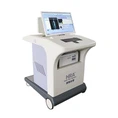

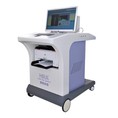
As a supplier of health checkup machines, I often encounter inquiries from customers about the capabilities of our devices, especially regarding the measurement of blood oxygen content. In this blog, I'll delve into the science behind blood oxygen measurement, explore whether our Health Check-up Machine can perform this function, and discuss the broader implications for health monitoring.
Understanding Blood Oxygen Content
Blood oxygen content, also known as oxygen saturation (SpO₂), refers to the percentage of hemoglobin in the blood that is saturated with oxygen. It is a crucial physiological parameter that reflects the efficiency of oxygen delivery from the lungs to the body's tissues. Normal oxygen saturation levels typically range from 95% to 100% in healthy individuals. Lower levels can indicate various health issues, such as respiratory problems, heart conditions, or altitude sickness.
The measurement of blood oxygen content is commonly performed using a device called a pulse oximeter. This non-invasive device typically clips onto a finger, toe, or earlobe and uses light absorption to estimate the oxygen saturation in the blood. Pulse oximeters emit two wavelengths of light - red and infrared - and measure the amount of light absorbed by oxygenated and deoxygenated hemoglobin. Based on the ratio of absorbed light, the device calculates the SpO₂ level and displays it on a screen.
Can a Health Checkup Machine Measure Blood Oxygen Content?
The answer to this question depends on the specific capabilities of the health checkup machine. At our company, we offer a range of advanced Health Check-up Machines that are designed to provide comprehensive health assessments. While not all of our machines are equipped with blood oxygen measurement functionality, some of our more advanced models do include this feature.
Our Health Risk Appraisal System Machine and Health Analyzer Machine are examples of devices that can measure blood oxygen content. These machines utilize state-of-the-art sensor technology to accurately and non-invasively measure SpO₂ levels, along with other vital signs such as heart rate, blood pressure, and body temperature. By incorporating blood oxygen measurement into our health checkup machines, we aim to provide users with a more comprehensive understanding of their health status and enable early detection of potential health issues.
Benefits of Measuring Blood Oxygen Content
The ability to measure blood oxygen content offers several benefits for both individuals and healthcare providers. For individuals, regular monitoring of SpO₂ levels can help detect early signs of respiratory or cardiovascular problems, allowing for timely intervention and treatment. This is particularly important for individuals with chronic conditions such as asthma, chronic obstructive pulmonary disease (COPD), or sleep apnea, who may be at a higher risk of oxygen desaturation.
In a healthcare setting, blood oxygen measurement is a valuable tool for assessing the severity of illness, monitoring the effectiveness of treatment, and guiding clinical decision-making. For example, in patients with pneumonia or acute respiratory distress syndrome (ARDS), continuous monitoring of SpO₂ levels can help determine the need for oxygen therapy or mechanical ventilation. Additionally, blood oxygen measurement can be used to screen for conditions such as pulmonary embolism or heart failure, which may present with low oxygen saturation levels.
Accuracy and Reliability of Blood Oxygen Measurement
When it comes to blood oxygen measurement, accuracy and reliability are of utmost importance. While pulse oximeters are generally considered to be accurate and reliable, there are several factors that can affect the accuracy of the measurements. These include poor sensor placement, movement artifacts, low perfusion, and certain skin pigments or nail polish.


To ensure the accuracy and reliability of our blood oxygen measurement technology, we conduct rigorous testing and validation procedures during the development and manufacturing process. Our health checkup machines are designed to minimize the impact of external factors and provide consistent and accurate SpO₂ readings. Additionally, we provide clear instructions and guidelines for proper sensor placement and use to ensure optimal performance.
Integration with Other Health Monitoring Features
In addition to blood oxygen measurement, our health checkup machines offer a range of other health monitoring features, such as electrocardiogram (ECG) monitoring, body composition analysis, and metabolic rate measurement. By integrating multiple health monitoring functions into a single device, we provide users with a comprehensive and convenient solution for tracking their health status over time.
The integration of blood oxygen measurement with other health monitoring features allows for a more holistic approach to health assessment. For example, by analyzing the relationship between SpO₂ levels, heart rate, and blood pressure, our machines can provide insights into the overall cardiovascular health of the user. This information can be used to identify potential risk factors, develop personalized health plans, and track the progress of treatment.
Conclusion
In conclusion, our Health Check-up Machines are capable of measuring blood oxygen content, providing users with a valuable tool for monitoring their health status. By incorporating blood oxygen measurement into our devices, we aim to provide a more comprehensive and accurate assessment of overall health, enabling early detection of potential health issues and promoting proactive health management.
If you're interested in learning more about our health checkup machines or would like to discuss your specific needs, please feel free to contact us. We're here to help you make informed decisions about your health and provide you with the best possible solutions for your health monitoring needs.
References
- American Thoracic Society. (2011). An official American Thoracic Society statement: guidelines for the six-minute walk test. American Journal of Respiratory and Critical Care Medicine, 183(1), 1-7.
- Kelleher, C. M., & Stokes, K. (2012). Pulse oximetry: a review of its principles and limitations. Anaesthesia and Intensive Care Medicine, 13(10), 537-540.
- National Institutes of Health. (2018). What is pulse oximetry? Retrieved from https://www.nhlbi.nih.gov/health-topics/pulse-oximetry