



Can rhinitis treatment devices be used in combination with other therapies?
As a supplier of rhinitis treatment devices, I often encounter questions from customers about whether our devices can be used in conjunction with other rhinitis therapies. In this blog post, I will explore this topic in detail, examining the scientific basis, potential benefits, and considerations when combining rhinitis treatment devices with other treatment methods.
Understanding Rhinitis and Available Therapies
Rhinitis is a common condition characterized by inflammation of the nasal mucosa, leading to symptoms such as nasal congestion, sneezing, runny nose, and itching. There are different types of rhinitis, including allergic rhinitis, non - allergic rhinitis, and infectious rhinitis.
Conventional therapies for rhinitis include:
- Medications: Antihistamines can block the action of histamine, a chemical released during an allergic reaction. Decongestants help relieve nasal congestion by narrowing blood vessels in the nasal passages. Corticosteroids, available in nasal sprays, reduce inflammation in the nasal mucosa.
- Allergen avoidance: For allergic rhinitis, identifying and avoiding allergens such as pollen, dust mites, and pet dander is an important part of management.
- Immunotherapy: This involves exposing the patient to small, gradually increasing amounts of allergens to desensitize the immune system over time.
Our Rhinitis Treatment Devices
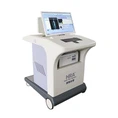
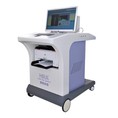
We offer a range of Rhinitis Treatment Device that utilize different technologies to alleviate rhinitis symptoms. For example, our Portable Allergic Rhinitis Treatment Instrument uses specific light wavelengths to target the nasal mucosa and reduce inflammation. Our Rhinitis Treatment Instrument is designed to improve nasal airflow and reduce congestion through a gentle massage and stimulation of the nasal passages.
The Scientific Basis for Combining Therapies
The idea of combining different treatment modalities is based on the concept of multimodal therapy. In the case of rhinitis, different therapies target different aspects of the disease process. For instance, medications may work systemically to reduce the body's allergic response, while our treatment devices can directly target the nasal mucosa to relieve local symptoms.
Research has shown that using multiple treatment methods can have a synergistic effect. A study published in the Journal of Allergy and Clinical Immunology found that combining nasal corticosteroids with nasal irrigation was more effective in reducing nasal congestion and improving quality of life compared to using either treatment alone. Similarly, our treatment devices can complement medications by enhancing the local effect on the nasal mucosa.


Benefits of Combining Rhinitis Treatment Devices with Other Therapies
- Enhanced Symptom Relief: By using a combination of therapies, patients can experience more comprehensive relief from rhinitis symptoms. For example, while medications may reduce sneezing and itching, our devices can further improve nasal airflow and reduce congestion, providing a more complete alleviation of discomfort.
- Reduced Medication Dependence: Using our treatment devices in combination with medications may allow patients to use lower doses of medications, thereby reducing the potential side effects associated with long - term medication use.
- Improved Quality of Life: With better symptom control, patients can enjoy a higher quality of life, including improved sleep, better concentration, and increased productivity.
Considerations when Combining Therapies
- Consultation with a Healthcare Professional: Before combining any treatment methods, it is crucial for patients to consult with their healthcare provider. A doctor can assess the patient's specific condition, medical history, and any potential interactions between different therapies.
- Timing of Treatment: The order and timing of using different therapies need to be carefully considered. For example, if using a nasal spray and our treatment device, it may be advisable to use the spray first and then wait a few minutes before using the device to ensure proper absorption of the medication.
- Monitoring and Evaluation: Patients should closely monitor their symptoms and report any changes to their healthcare provider. This will help determine the effectiveness of the combined treatment and make any necessary adjustments.
Case Studies
We have received feedback from many customers who have successfully combined our treatment devices with other therapies. One customer, Mr. Smith, had been suffering from allergic rhinitis for years. He was using antihistamines but still experienced significant nasal congestion. After adding our Portable Allergic Rhinitis Treatment Instrument to his treatment regimen, he noticed a significant improvement in his nasal airflow and a reduction in the frequency of his sneezing. He was able to reduce his antihistamine dosage with the guidance of his doctor.
Another customer, Ms. Johnson, had non - allergic rhinitis. She was using a nasal corticosteroid spray but was still bothered by a runny nose. By using our Rhinitis Treatment Instrument in combination with the spray, she found that her symptoms were more effectively controlled, and she was able to lead a more normal life.
Conclusion
In conclusion, rhinitis treatment devices can be effectively used in combination with other therapies. The scientific basis for multimodal therapy, the potential benefits of enhanced symptom relief, reduced medication dependence, and improved quality of life make this an attractive option for patients. However, it is essential to consult with a healthcare professional before starting any combined treatment.
If you are interested in learning more about our rhinitis treatment devices or exploring the possibility of combining them with other therapies, we encourage you to contact us for a detailed discussion. Our team of experts is ready to assist you in finding the most suitable treatment solution for your rhinitis.
References
- Journal of Allergy and Clinical Immunology. "Combined treatment of nasal corticosteroids and nasal irrigation in allergic rhinitis."
- Various clinical studies on multimodal therapy for rhinitis.