



As a supplier of health risk assessment devices, I've been constantly exploring the potential applications of our products. One question that often arises is whether a health risk assessment device can be used to assess the risk of neurological diseases. In this blog, I'll delve into this topic, examining the scientific basis, the capabilities of our devices, and the future prospects.
The Significance of Assessing Neurological Disease Risk
Neurological diseases, such as Alzheimer's disease, Parkinson's disease, and multiple sclerosis, pose a significant threat to global health. These conditions not only cause severe physical and cognitive impairments but also place a heavy burden on patients, their families, and society as a whole. Early detection and intervention are crucial for improving the prognosis of neurological diseases. By identifying individuals at high risk, healthcare providers can implement preventive measures and personalized treatment plans, potentially delaying or even preventing the onset of these conditions.
The Role of Health Risk Assessment Devices
Health risk assessment devices are designed to collect and analyze various types of health data, including physiological parameters, lifestyle factors, and genetic information. These devices can provide valuable insights into an individual's health status and identify potential risk factors for a wide range of diseases. While traditional methods of neurological disease diagnosis, such as neurological examinations and imaging tests, are essential for confirming a diagnosis, health risk assessment devices can play a complementary role in the early detection and prevention of these conditions.
One of the key advantages of health risk assessment devices is their ability to provide a comprehensive assessment of an individual's health. These devices can measure multiple parameters simultaneously, allowing for a more holistic understanding of an individual's health status. For example, some health risk assessment devices can measure blood pressure, heart rate, blood glucose levels, and cholesterol levels, as well as assess lifestyle factors such as diet, exercise, and smoking habits. By analyzing this data, these devices can identify patterns and trends that may indicate an increased risk of neurological diseases.
Another advantage of health risk assessment devices is their non-invasive nature. Unlike traditional diagnostic methods, which often require invasive procedures such as biopsies or lumbar punctures, health risk assessment devices can collect data non-invasively, making them more comfortable and convenient for patients. This can encourage more individuals to undergo regular health screenings, increasing the chances of early detection and intervention.
Our Health Risk Assessment Devices
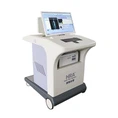
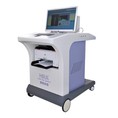
At our company, we offer a range of Physical Examination Instruments that are designed to provide accurate and comprehensive health risk assessments. Our devices use advanced sensor technology and algorithms to collect and analyze data from multiple sources, including physiological signals, biochemical markers, and lifestyle factors.
One of our flagship products is the Sub-Health Analyzer, which is specifically designed to assess an individual's sub-health status. This device can measure a wide range of parameters, including blood pressure, heart rate, blood glucose levels, cholesterol levels, and immune function. By analyzing this data, the Sub-Health Analyzer can identify potential risk factors for a variety of diseases, including neurological diseases.
In addition to the Sub-Health Analyzer, we also offer the Health Risk Appraisal System Machine, which is a more comprehensive health risk assessment device. This device can measure a wider range of parameters, including genetic markers, epigenetic factors, and environmental exposures. By analyzing this data, the Health Risk Appraisal System Machine can provide a more personalized and accurate assessment of an individual's health risk, including the risk of neurological diseases.
Scientific Evidence Supporting the Use of Health Risk Assessment Devices for Neurological Disease Risk Assessment
While the use of health risk assessment devices for neurological disease risk assessment is still in its early stages, there is growing scientific evidence to support their potential. Several studies have shown that certain physiological and biochemical markers, such as blood pressure, cholesterol levels, and inflammatory markers, are associated with an increased risk of neurological diseases. By measuring these markers using health risk assessment devices, it may be possible to identify individuals at high risk of these conditions.
For example, a study published in the journal Neurology found that elevated blood pressure was associated with an increased risk of Alzheimer's disease and vascular dementia. Another study published in the journal JAMA Neurology found that high cholesterol levels were associated with an increased risk of Parkinson's disease. These findings suggest that measuring blood pressure and cholesterol levels using health risk assessment devices may be a useful tool for identifying individuals at high risk of neurological diseases.
In addition to physiological and biochemical markers, genetic and epigenetic factors are also known to play a role in the development of neurological diseases. Recent advances in genomics and epigenetics have made it possible to identify genetic and epigenetic markers that are associated with an increased risk of these conditions. By measuring these markers using health risk assessment devices, it may be possible to identify individuals at high risk of neurological diseases at an early stage.
Challenges and Limitations
While the use of health risk assessment devices for neurological disease risk assessment shows promise, there are still several challenges and limitations that need to be addressed. One of the main challenges is the lack of standardized protocols for using these devices. Different devices may use different measurement techniques and algorithms, which can make it difficult to compare results across studies. In addition, there is a need for more large-scale, longitudinal studies to validate the accuracy and reliability of these devices for neurological disease risk assessment.
Another challenge is the complexity of neurological diseases. These conditions are often multifactorial, involving a combination of genetic, environmental, and lifestyle factors. While health risk assessment devices can provide valuable insights into an individual's health status, they may not be able to capture all of the factors that contribute to the development of neurological diseases. Therefore, it is important to use these devices in conjunction with other diagnostic methods, such as neurological examinations and imaging tests, to obtain a more comprehensive understanding of an individual's health risk.


Future Prospects
Despite the challenges and limitations, the future prospects for using health risk assessment devices for neurological disease risk assessment are promising. With the rapid advancement of technology, we can expect to see the development of more accurate, reliable, and user-friendly health risk assessment devices in the future. These devices may incorporate new sensors and algorithms that can measure a wider range of parameters, including genetic and epigenetic markers, as well as environmental exposures.
In addition, the use of artificial intelligence and machine learning algorithms may help to improve the accuracy and reliability of health risk assessment devices. These algorithms can analyze large amounts of data from multiple sources, including health records, genetic databases, and environmental monitoring systems, to identify patterns and trends that may indicate an increased risk of neurological diseases.
Conclusion
In conclusion, while the use of health risk assessment devices for neurological disease risk assessment is still in its early stages, there is growing scientific evidence to support their potential. Our Physical Examination Instruments, Sub-Health Analyzer, and Health Risk Appraisal System Machine offer a range of options for assessing an individual's health risk, including the risk of neurological diseases. By using these devices in conjunction with other diagnostic methods, healthcare providers can obtain a more comprehensive understanding of an individual's health status and identify potential risk factors for neurological diseases at an early stage.
If you are interested in learning more about our health risk assessment devices or would like to discuss potential procurement opportunities, please feel free to contact us. We look forward to working with you to improve the health and well-being of individuals around the world.
References
- Kivipelto M, Ngandu T, Fratiglioni L. Vascular risk factors and Alzheimer's disease. Lancet Neurol. 2005;4(10):718-724.
- Ritz B, Chen H, Johnson CC, et al. Parkinson's disease and exposure to environmental pesticides: a meta-analysis. Environ Health Perspect. 2009;117(11):1655-1660.
- Seshadri S, Beiser A, Selhub J, et al. Plasma homocysteine as a risk factor for dementia and Alzheimer's disease. N Engl J Med. 2002;346(7):476-483.