


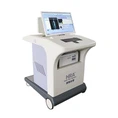

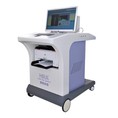
Hey there! As a supplier of red blood cell detectors, I'm super stoked to dive into the many cool applications of these nifty devices. Red blood cell detectors, like the ones we offer Red Blood Cell Detector, are crucial tools in the medical and research fields. Let's take a closer look at where they shine.
Medical Diagnosis
One of the most common and important applications of red blood cell detectors is in medical diagnosis. These detectors can accurately measure the number, size, and shape of red blood cells in a blood sample. This information is gold for doctors when it comes to diagnosing a wide range of conditions.
For example, anemia is a condition where the body doesn't have enough healthy red blood cells to carry adequate oxygen to the body's tissues. By using a red blood cell detector, doctors can quickly determine if a patient has anemia and what type it might be. Different types of anemia can be identified based on the characteristics of the red blood cells, such as whether they are too small (microcytic), too large (macrocytic), or normal size (normocytic).
Another condition that red blood cell detectors can help diagnose is polycythemia, which is a condition where there is an abnormal increase in the number of red blood cells. This can thicken the blood and increase the risk of blood clots, strokes, and heart attacks. Detecting polycythemia early on can help doctors take preventive measures and manage the condition effectively.
In addition to anemia and polycythemia, red blood cell detectors can also be used to diagnose other blood disorders, such as sickle cell anemia, thalassemia, and hemolytic anemia. These disorders are characterized by abnormal red blood cell shapes or functions, and the detector can provide valuable information about the nature and severity of the condition.
Blood Donation Screening
Red blood cell detectors also play a crucial role in blood donation screening. Before a person can donate blood, they need to undergo a series of tests to ensure that their blood is safe for transfusion. One of these tests is to check the red blood cell count and other parameters to make sure that the donor has a healthy supply of red blood cells.
Our Blood Test Device can quickly and accurately analyze a blood sample from a potential donor, providing real-time results. This helps blood banks and donation centers determine if a donor is eligible to donate blood and if their blood can be used for transfusion. By screening donors using red blood cell detectors, we can ensure the safety and quality of the blood supply, reducing the risk of transfusion-related complications.


Research and Development
In the world of scientific research, red blood cell detectors are invaluable tools. Researchers use these devices to study the biology and function of red blood cells, as well as to develop new treatments and therapies for blood disorders.
For example, researchers can use red blood cell detectors to study the effects of different drugs or environmental factors on red blood cell production and function. By analyzing the changes in red blood cell parameters over time, they can gain insights into the underlying mechanisms of various diseases and develop targeted therapies.
Red blood cell detectors are also used in the development of new blood substitutes and artificial oxygen carriers. These technologies aim to provide a safe and effective alternative to traditional blood transfusions, especially in situations where blood is in short supply or when there are concerns about blood compatibility.
Veterinary Medicine
Red blood cell detectors aren't just for humans! They also have important applications in veterinary medicine. Veterinarians use these devices to diagnose and monitor a variety of blood disorders in animals, just like doctors do in human medicine.
For example, anemia is a common condition in dogs and cats, and red blood cell detectors can help veterinarians determine the cause and severity of the anemia. This information is crucial for developing an appropriate treatment plan and monitoring the animal's response to therapy.
In addition to anemia, red blood cell detectors can also be used to diagnose other blood disorders in animals, such as polycythemia, hemolytic anemia, and blood parasites. By using these devices, veterinarians can provide better care for their animal patients and improve their overall health and well-being.
Quality Control in Blood Products
Finally, red blood cell detectors are used in the quality control of blood products. Blood banks and manufacturers of blood products need to ensure that the products they produce are safe and effective. Red blood cell detectors are used to monitor the quality of the blood during the collection, processing, and storage stages.
By regularly testing the red blood cell parameters of the blood products, blood banks can ensure that the products meet the required standards and specifications. This helps to prevent the transmission of diseases and other complications associated with blood transfusions.
So, there you have it! These are just some of the many applications of red blood cell detectors. As a supplier of these devices, we're proud to be part of the healthcare and research communities, providing high-quality Blood Test Device that make a difference in people's lives.
If you're interested in learning more about our red blood cell detectors or have any questions about their applications, don't hesitate to reach out. We're always here to help and would love to discuss how our products can meet your specific needs. Whether you're a medical professional, a researcher, or a blood bank, we're confident that our red blood cell detectors can provide the accurate and reliable results you need. Let's start a conversation and see how we can work together to improve healthcare and save lives.
References
- Kumar, V., Abbas, A. K., Aster, J. C. (2020). Robbins and Cotran Pathologic Basis of Disease. Elsevier.
- Greer, J. P., Arber, D. A., Glader, B., et al. (2019). Wintrobe's Clinical Hematology. Wolters Kluwer.
- Rodak, B. F., Carr, J. H. (2017). Clinical Hematology Atlas. Elsevier.