



Hey there! I'm a supplier of disease diagnosis equipment, and today I want to chat about whether disease diagnosis equipment can be integrated with other medical systems. It's a topic that's been on my mind a lot lately, and I think it's super important for the future of healthcare.
First off, let's talk about why integrating disease diagnosis equipment with other medical systems could be a game - changer. In modern healthcare, there are so many different systems at play. You've got electronic health record (EHR) systems that store patients' medical histories, treatment plans, and test results. Then there are hospital management systems that handle things like patient admissions, scheduling, and billing. And of course, there are various monitoring systems for things like vital signs, heart rhythms, and blood oxygen levels.
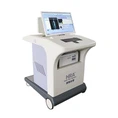
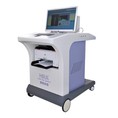
When disease diagnosis equipment can be integrated with these other systems, it can streamline the entire healthcare process. For example, let's say a patient comes in for a check - up. The Health Check - up Machine we supply can quickly and accurately diagnose a range of conditions. If this equipment is integrated with the EHR system, the diagnosis results can be automatically uploaded to the patient's record. This means that doctors can access the information right away, without having to manually enter the data. It saves time and reduces the risk of errors.
Another big advantage is in terms of treatment planning. When diagnosis equipment is connected to other medical systems, doctors can get a more comprehensive view of the patient's health. They can see how the current diagnosis fits into the patient's overall medical history, previous treatments, and ongoing conditions. This allows for more personalized and effective treatment plans. For instance, if a patient has a chronic condition and the Physical Examination Instruments detect a new issue, the doctor can quickly review all the relevant information in the integrated system and decide on the best course of action.
Now, I know what you might be thinking. Is it even possible to integrate disease diagnosis equipment with other medical systems? Well, the good news is that technology has come a long way. Most modern disease diagnosis equipment is designed with connectivity in mind. They often support standard communication protocols like HL7 (Health Level Seven), which is widely used in healthcare for data exchange. This means that it's relatively straightforward to connect our Body Check Up Machine to other systems that also support these protocols.
However, there are still some challenges. One of the main issues is the lack of standardization across different medical systems. Not all EHR systems or hospital management systems use the same data formats or communication protocols. This can make it difficult to ensure seamless integration. Another challenge is security. Healthcare data is highly sensitive, and when you're integrating different systems, you need to make sure that the data is protected from unauthorized access. There are strict regulations like HIPAA (Health Insurance Portability and Accountability Act) in the United States that govern the security and privacy of healthcare data.
But despite these challenges, the benefits of integration far outweigh the difficulties. Many healthcare providers are already starting to see the value of integrating disease diagnosis equipment with other systems. They're realizing that it can improve patient care, increase efficiency, and reduce costs in the long run.
Let's take a look at some real - world examples. In some large hospitals, they've integrated their imaging diagnosis equipment (like MRI and CT scanners) with the EHR system. When a scan is done, the images and the diagnosis report are automatically sent to the patient's record. This allows doctors in different departments to access the information easily, which is especially useful for multidisciplinary treatment teams.
In primary care settings, integrating basic diagnosis equipment like blood pressure monitors and glucose meters with the EHR system can help doctors keep track of patients' chronic conditions more effectively. They can set up alerts for abnormal readings, and patients can even use mobile apps to upload their own readings, which are then integrated into the system.
So, as a supplier of disease diagnosis equipment, we're constantly working on making our products more integration - friendly. We're investing in research and development to ensure that our equipment can work seamlessly with a wide range of medical systems. We're also providing support to our customers to help them with the integration process.
If you're a healthcare provider, I encourage you to consider the benefits of integrating disease diagnosis equipment with your existing medical systems. It can transform the way you deliver care and improve the patient experience. Whether you're a small clinic or a large hospital, the technology is available to make this happen.


If you're interested in learning more about our disease diagnosis equipment and how it can be integrated with your medical systems, I'd love to have a chat with you. We can discuss your specific needs and come up with a customized solution. Don't hesitate to reach out and start the conversation about how we can work together to take your healthcare services to the next level.
References
- Health Level Seven International. (n.d.). HL7 Standards. Retrieved from https://www.hl7.org/
- U.S. Department of Health and Human Services. (n.d.). HIPAA for Professionals. Retrieved from https://www.hhs.gov/hipaa/index.html