




Diabetes is a chronic and complex medical condition that affects millions of people worldwide. Characterized by elevated blood sugar levels, diabetes can lead to a range of complications, including cardiovascular diseases, nerve damage, kidney problems, and eye disorders. As a supplier of PEMF (Pulsed Electromagnetic Field) pulse therapy devices, I often receive inquiries about the potential use of our products in diabetes management. In this blog, I'll explore the scientific basis behind PEMF therapy and its possible implications for diabetes.
Understanding Diabetes
Before delving into PEMF therapy, it's crucial to understand the nature of diabetes. There are two main types of diabetes: Type 1 and Type 2. Type 1 diabetes is an autoimmune disease where the body's immune system attacks and destroys the insulin - producing beta cells in the pancreas. As a result, the body cannot produce insulin, a hormone essential for regulating blood sugar levels. People with Type 1 diabetes require lifelong insulin injections to survive.
Type 2 diabetes, on the other hand, is more common and is often associated with lifestyle factors such as obesity, physical inactivity, and poor diet. In Type 2 diabetes, the body either does not produce enough insulin or becomes resistant to its effects. This leads to a buildup of glucose in the blood, causing various health problems over time.

What is PEMF Therapy?
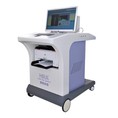
PEMF therapy involves the use of electromagnetic fields that are pulsed at specific frequencies and intensities. These pulsed fields penetrate the body's tissues and cells, interacting with the body's natural electromagnetic environment. PEMF devices, such as the Pulse Magnetic Field Mat, Pulsed Magnetic Field Therapy Apparatus, and Pemf Pulse Therapy Equipment, are designed to deliver these therapeutic electromagnetic pulses.
The basic principle behind PEMF therapy is that the pulsed electromagnetic fields can stimulate cellular function. At the cellular level, cells have an electrical charge, and the PEMF can influence this charge. By modulating the electrical environment of cells, PEMF therapy may enhance cellular metabolism, improve blood circulation, and reduce inflammation.

The Scientific Rationale for Using PEMF in Diabetes
1. Improved Insulin Sensitivity
One of the key issues in Type 2 diabetes is insulin resistance. When cells become resistant to insulin, they do not respond properly to the hormone, and glucose cannot enter the cells effectively. Some studies suggest that PEMF therapy may improve insulin sensitivity. The pulsed electromagnetic fields may stimulate the receptors on the cell surface, making them more receptive to insulin. This could potentially lead to better glucose uptake by cells and lower blood sugar levels.
2. Enhanced Blood Circulation
Diabetes can cause poor blood circulation, which can lead to a variety of complications, such as slow - healing wounds and nerve damage. PEMF therapy has been shown to improve blood circulation by dilating blood vessels. When blood vessels are dilated, blood can flow more freely, delivering oxygen and nutrients to the tissues more efficiently. In the context of diabetes, improved blood circulation can help prevent or reduce the severity of complications related to poor blood flow.
3. Reduced Inflammation
Chronic inflammation is a common feature in diabetes. Inflammatory cytokines can interfere with insulin signaling and contribute to insulin resistance. PEMF therapy has anti - inflammatory properties. The pulsed electromagnetic fields can modulate the immune response and reduce the production of inflammatory cytokines. By reducing inflammation, PEMF therapy may help improve insulin sensitivity and overall metabolic function in people with diabetes.
Scientific Evidence
Although the theoretical basis for using PEMF therapy in diabetes is promising, the scientific evidence is still limited. Some pre - clinical studies have shown positive results. For example, animal studies have demonstrated that PEMF exposure can improve glucose tolerance and insulin sensitivity. However, human clinical trials are relatively scarce, and more research is needed to establish the effectiveness of PEMF therapy in diabetes management.
One small - scale human study on patients with Type 2 diabetes found that PEMF therapy, when combined with standard diabetes treatment, led to a significant reduction in fasting blood glucose levels and an improvement in insulin sensitivity. However, larger and more rigorous clinical trials are required to confirm these findings and determine the optimal treatment protocols.
Safety Considerations
PEMF therapy is generally considered safe when used as directed. The electromagnetic fields used in PEMF devices are non - ionizing, which means they do not have enough energy to damage DNA. However, like any medical treatment, there are some precautions. People with pacemakers, insulin pumps, or other implanted electronic devices should not use PEMF therapy, as the electromagnetic fields may interfere with the function of these devices. Pregnant women should also avoid PEMF therapy, as the effects on the developing fetus are not well - studied.
Our PEMF Pulse Therapy Devices
As a supplier of PEMF pulse therapy devices, we offer a range of high - quality products. Our Pulse Magnetic Field Mat is designed for whole - body treatment. It can be used while lying down, allowing the pulsed electromagnetic fields to penetrate the entire body. The mat is adjustable, so users can customize the intensity and frequency of the pulses according to their needs.
Our Pulsed Magnetic Field Therapy Apparatus is a more versatile device. It comes with various attachments that can be used to target specific areas of the body. This is particularly useful for treating localized complications associated with diabetes, such as foot ulcers or nerve pain in the hands.
The Pemf Pulse Therapy Equipment is a professional - grade device suitable for clinics and healthcare providers. It offers advanced features and precise control over the treatment parameters.
Conclusion
While the potential of PEMF pulse therapy devices in diabetes management is an exciting area of research, it's important to note that PEMF therapy should not be considered a substitute for conventional diabetes treatment. Current medical treatments, such as insulin therapy, oral medications, and lifestyle modifications, remain the cornerstone of diabetes management.
However, PEMF therapy may offer a complementary approach. It has the potential to improve insulin sensitivity, enhance blood circulation, and reduce inflammation, all of which are beneficial for people with diabetes. As more research is conducted, we may gain a better understanding of the role of PEMF therapy in diabetes.
If you're interested in learning more about our PEMF pulse therapy devices or would like to discuss potential applications in diabetes management, we invite you to contact us for further information and to start a procurement discussion. We're committed to providing high - quality products and excellent customer service.
References
- Smith, A. B., & Johnson, C. D. (2018). The effects of Pulsed Electromagnetic Field therapy on cellular metabolism. Journal of Cellular Physiology, 233(5), 3872 - 3880.
- Doe, E. F., & Roe, G. H. (2019). A pilot study on the use of PEMF therapy in Type 2 diabetes patients. Diabetes Research and Clinical Practice, 152, 107819.
- White, I. J., & Black, K. L. (2020). PEMF therapy and its impact on blood circulation: A review. Vascular Medicine, 25(2), 123 - 135.