


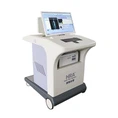

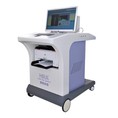
As a provider of blood test devices, I often encounter questions from customers regarding the necessity of calibration for these crucial medical tools. In this blog, I aim to delve into the topic and shed light on whether blood test devices truly require calibration.
The Fundamentals of Blood Test Devices
Blood test devices play a pivotal role in modern healthcare, enabling medical professionals to obtain accurate and timely information about a patient's health. These devices can measure a wide range of parameters, including blood glucose levels, cholesterol levels, and the count of various blood cells. For instance, Red Blood Cell Detector is one of our specialized products that provides precise data on red blood cell counts, which is essential for diagnosing anemia and other blood - related disorders.
Why Calibration Matters
Calibration is the process of comparing the measurements of a device against a known standard to ensure its accuracy. In the context of blood test devices, calibration is of utmost importance for several reasons.

Accuracy in Diagnosis
Medical decisions are often based on the results obtained from blood test devices. An inaccurate measurement can lead to misdiagnosis, which may have serious consequences for the patient. For example, if a blood glucose monitoring device is not calibrated correctly, it may give false readings. A patient with diabetes relying on such a device may take the wrong amount of insulin, leading to either hypoglycemia or hyperglycemia. By calibrating the device regularly, we can minimize the margin of error and ensure that the results are as accurate as possible.
Regulatory Compliance
In the medical device industry, there are strict regulations in place to ensure the safety and effectiveness of products. Most regulatory bodies, such as the Food and Drug Administration (FDA) in the United States, require blood test devices to be calibrated at regular intervals. Non - compliance with these regulations can result in hefty fines and even the suspension of the device's sale. As a Blood Test Device supplier, we are committed to meeting these regulatory standards to provide our customers with reliable and compliant products.
Consistency of Results
Over time, the performance of blood test devices can degrade due to factors such as wear and tear, environmental conditions, and the aging of components. Calibration helps to maintain the consistency of results, ensuring that the device provides the same level of accuracy throughout its lifespan. This is particularly important for long - term monitoring of patients, where consistent data is crucial for tracking the progression of a disease or the effectiveness of a treatment.
Types of Calibration for Blood Test Devices
There are two main types of calibration for blood test devices: factory calibration and user calibration.
Factory Calibration
Factory calibration is performed during the manufacturing process. At our Blood Test Device Factory, we use highly accurate reference standards to calibrate each device before it leaves the production line. This initial calibration sets the baseline for the device's performance and ensures that it meets the specified accuracy requirements. Factory calibration is a complex and precise process that involves multiple steps and strict quality control measures.
User Calibration
User calibration, on the other hand, is something that the end - user may need to perform periodically. This is usually done using calibration solutions or test strips that are specifically designed for the device. User calibration is relatively simple and can be done at home or in a clinical setting. However, it is important to follow the manufacturer's instructions carefully to ensure accurate results.
Challenges in Calibration
Despite the importance of calibration, there are several challenges associated with it.
Cost
Calibration can be expensive, especially for complex blood test devices. The cost includes not only the calibration materials but also the labor required to perform the calibration. For some small clinics or individual users, the cost of calibration may be a significant barrier. As a supplier, we are constantly looking for ways to reduce the cost of calibration without compromising on the quality.
Technical Expertise
Calibration requires a certain level of technical expertise. Not all end - users may have the knowledge or skills to perform calibration correctly. This can lead to inaccurate calibration and, consequently, unreliable test results. To address this issue, we provide comprehensive training materials and support to our customers to help them understand the calibration process.
Environmental Factors
Environmental conditions, such as temperature and humidity, can affect the accuracy of blood test devices and the calibration process. For example, extreme temperatures can cause the calibration solutions to degrade, leading to inaccurate calibration. We recommend that users store and operate the devices within the specified environmental conditions to ensure accurate calibration and test results.
Our Approach as a Supplier
As a blood test device supplier, we are committed to providing our customers with high - quality, accurate, and reliable products. We understand the importance of calibration and take several steps to ensure that our devices are properly calibrated.

High - Quality Manufacturing
We invest heavily in state - of - the - art manufacturing facilities and processes to ensure that our blood test devices are of the highest quality. Our factory calibration process is rigorous and adheres to international standards. We use the latest technology and equipment to perform calibration, which helps to minimize errors and ensure the accuracy of our devices.
Customer Support
We provide extensive customer support to help our customers with calibration. Our technical support team is available to answer any questions that customers may have about calibration. We also offer training programs, both online and in - person, to help customers understand how to calibrate their devices correctly.

Research and Development
We are constantly researching and developing new technologies to improve the calibration process. Our goal is to make calibration more accurate, easier, and more cost - effective. For example, we are exploring the use of self - calibrating sensors that can automatically adjust for changes in environmental conditions and component aging.
Conclusion
In conclusion, blood test devices do require calibration. Calibration is essential for ensuring the accuracy, reliability, and consistency of test results, which are crucial for making informed medical decisions. While there are challenges associated with calibration, such as cost and technical expertise, we as a supplier are taking steps to address these issues.

If you are interested in purchasing our blood test devices or have any questions about calibration, we encourage you to contact us for a procurement discussion. Our team of experts is ready to assist you in finding the right solution for your needs.
References
- ASTM International. (20XX). Standard practices for calibration of medical diagnostic devices.
- FDA. (20XX). Guidance for industry and FDA staff on calibration of blood test devices.
- World Health Organization. (20XX). Guidelines on the quality assurance of blood test devices.