



Depression is a widespread and debilitating mental health disorder that affects millions of people worldwide. Characterized by persistent feelings of sadness, loss of interest, and a range of emotional and physical symptoms, depression can significantly impact a person's quality of life. While traditional treatments such as antidepressant medications and psychotherapy have been the mainstays of treatment, there is growing interest in alternative therapies, including PEMF (Pulsed Electromagnetic Field) pulse therapy. As a supplier of PEMF pulse therapy devices, I am often asked whether these devices can help with depression. In this blog post, I will explore the scientific evidence behind PEMF therapy for depression and discuss its potential benefits.
Understanding PEMF Therapy
PEMF therapy involves the use of electromagnetic fields that are pulsed at specific frequencies and intensities. These fields penetrate the body's tissues and cells, interacting with the body's natural electromagnetic environment. The theory behind PEMF therapy is that by modulating the electromagnetic activity in the body, it can stimulate various physiological processes, including cellular repair, blood circulation, and neurotransmitter regulation.

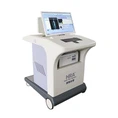
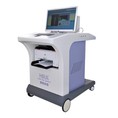
PEMF devices come in various forms, from small handheld units to larger, more sophisticated systems. They can be used to target specific areas of the body or provide whole - body treatment. The Pemf Equipment and Pemf Pulse Therapy Equipment we offer are designed with advanced technology to ensure precise and effective delivery of the electromagnetic pulses.
The Link between PEMF and Depression
To understand how PEMF therapy might help with depression, we need to look at the underlying physiological changes associated with the disorder. Depression is thought to be related to imbalances in neurotransmitters such as serotonin, dopamine, and norepinephrine. These neurotransmitters play crucial roles in regulating mood, sleep, appetite, and other functions.
Research has shown that PEMF therapy can influence the production and release of neurotransmitters. For example, some studies have found that PEMF exposure can increase the levels of serotonin in the brain. Serotonin is often referred to as the "feel - good" neurotransmitter, and low levels are commonly associated with depression. By increasing serotonin levels, PEMF therapy may help to improve mood and alleviate depressive symptoms.

In addition to neurotransmitter regulation, PEMF therapy may also have an impact on the brain's neural plasticity. Neural plasticity refers to the brain's ability to change and adapt over time. Depression is associated with reduced neural plasticity, which can lead to difficulties in learning, memory, and emotional regulation. PEMF therapy has been shown to stimulate neural growth and repair, potentially restoring normal neural function in individuals with depression.
Scientific Evidence
Several studies have investigated the effects of PEMF therapy on depression. A randomized, double - blind, placebo - controlled trial published in the Journal of Alternative and Complementary Medicine found that patients with mild to moderate depression who received PEMF therapy experienced significant improvements in depressive symptoms compared to those in the placebo group. The study used a Electromagnetic Therapy Machine to deliver PEMF treatment for a period of four weeks.
Another study conducted on animal models showed that PEMF exposure could reverse the behavioral and biochemical changes associated with depression. The researchers found that PEMF therapy increased the levels of brain - derived neurotrophic factor (BDNF), a protein that is important for neural growth and survival. Low levels of BDNF are often found in individuals with depression, and increasing BDNF levels may be a key mechanism through which PEMF therapy exerts its antidepressant effects.
However, it's important to note that while these studies show promising results, more large - scale, well - designed clinical trials are needed to fully establish the efficacy of PEMF therapy for depression. The current evidence is still limited, and there is a need for further research to determine the optimal treatment parameters, such as frequency, intensity, and duration of PEMF exposure.

Potential Benefits of PEMF Therapy for Depression
One of the main advantages of PEMF therapy is its non - invasive nature. Unlike some traditional treatments for depression, such as electroconvulsive therapy (ECT), PEMF therapy does not require any surgery or the use of medications with potentially serious side effects. This makes it a more appealing option for many patients, especially those who are reluctant to take antidepressant medications or who have not responded well to other treatments.

PEMF therapy is also relatively easy to administer. Patients can use the devices in the comfort of their own homes, following the instructions provided. This convenience can improve treatment adherence, which is crucial for achieving positive outcomes in the management of depression.
In addition, PEMF therapy may have fewer side effects compared to antidepressant medications. While some patients may experience mild side effects such as headache, dizziness, or fatigue during PEMF treatment, these side effects are generally mild and transient.
Considerations and Limitations
While PEMF therapy shows promise as a potential treatment for depression, it is not a standalone solution. Depression is a complex disorder that often requires a comprehensive treatment approach, including psychotherapy, lifestyle changes, and in some cases, medication. PEMF therapy should be used in conjunction with other treatments under the guidance of a healthcare professional.
It's also important to ensure that the PEMF devices used are of high quality and meet safety standards. As a supplier of PEMF pulse therapy devices, we take great care to ensure that our products are rigorously tested and comply with all relevant regulations.
Conclusion
In conclusion, there is growing evidence to suggest that PEMF pulse therapy may have a role to play in the treatment of depression. By modulating neurotransmitter levels and promoting neural plasticity, PEMF therapy may help to alleviate depressive symptoms and improve the overall well - being of patients. However, more research is needed to fully understand its effectiveness and determine the best treatment protocols.
If you are interested in exploring the potential benefits of PEMF therapy for depression or other health conditions, I encourage you to contact us to discuss your needs. Our team of experts can provide you with more information about our Pemf Equipment, Pemf Pulse Therapy Equipment, and Electromagnetic Therapy Machine and guide you through the process of selecting the most suitable device for your situation. We are committed to providing high - quality products and excellent customer service, and we look forward to helping you on your journey to better health.
References
- Journal of Alternative and Complementary Medicine, Randomized, double - blind, placebo - controlled trial on PEMF therapy for depression
- Research on animal models regarding PEMF exposure and its effects on depression - related biochemical and behavioral changes