



A blood test is a fundamental diagnostic tool in modern medicine, offering crucial insights into a patient's health status. As a supplier of advanced blood test devices, I am thrilled to share how these remarkable instruments work.

The Basics of Blood Testing
Blood is a complex biological fluid that contains various types of cells, proteins, hormones, and other substances. A blood test analyzes these components to detect diseases, monitor health conditions, and evaluate the effectiveness of treatments. There are different types of blood tests, including complete blood count (CBC), blood chemistry tests, and blood clotting tests, each serving a specific purpose.
Components of a Blood Test Device
A typical blood test device consists of several key components: 1. Sample Collection Module: This is where the blood sample is collected. It can be a simple lancet for finger - prick sampling or a more sophisticated syringe for venous blood collection. The collected blood is then transferred to a test strip or a cuvette, depending on the type of device. 2. Detection System: The detection system is the heart of the blood test device. It is responsible for identifying and measuring the target analytes in the blood sample. There are several detection methods used in blood test devices: - Optical Detection: Many blood test devices use optical methods, such as absorbance or fluorescence spectroscopy. For example, in a glucose test, the test strip contains reagents that react with glucose in the blood. When light is shone on the test strip, the amount of light absorbed or emitted is proportional to the glucose concentration in the blood. - Electrochemical Detection: Electrochemical sensors are widely used in blood test devices. These sensors work by measuring the electrical current or potential generated by a chemical reaction between the analyte and the electrode surface. For instance, in a lactate test, the lactate in the blood is oxidized at the electrode, producing an electrical current that is proportional to the lactate concentration. 3. Signal Processing Unit: Once the detection system generates a signal, the signal processing unit amplifies, filters, and converts the analog signal into a digital signal. This digital signal is then processed using algorithms to calculate the concentration of the target analyte. 4. Display and Output: The final result of the blood test is displayed on a screen, which can be a simple LCD screen or a more advanced touch - screen display. Some blood test devices also have the ability to send the test results wirelessly to a smartphone, tablet, or a hospital information system.
Step - by - Step Working Process
Let's take a closer look at the step - by - step working process of a blood test device: 1. Sample Collection: The user first collects a small amount of blood using the appropriate sample collection method. For example, in a home glucose test, the user pricks their finger with a lancet and places a drop of blood on the test strip. 2. Reagent Reaction: The blood sample comes into contact with the reagents on the test strip or in the cuvette. These reagents are specifically designed to react with the target analyte. For example, in a cholesterol test, the reagents react with cholesterol in the blood to form a colored product. 3. Signal Generation: The reaction between the analyte and the reagents generates a signal, which can be an optical or an electrochemical signal. The detection system measures this signal. 4. Signal Processing: The signal is sent to the signal processing unit, where it is amplified, filtered, and converted into a digital value. The processing unit then uses a pre - calibrated algorithm to calculate the concentration of the target analyte. 5. Result Display: The calculated concentration of the analyte is displayed on the device's screen. In some cases, the device may also provide additional information, such as reference ranges and interpretation of the results.

Advanced Blood Test Devices
As a blood test device supplier, we are constantly innovating to develop more advanced and accurate devices. For example, our Red Blood Cell Detector uses state - of - the - art technology to accurately count and analyze red blood cells. It can detect abnormalities in red blood cell size, shape, and number, which are important indicators of various blood disorders.
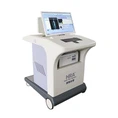
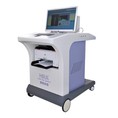
Our Blood Test Device is a multi - parameter device that can perform multiple blood tests simultaneously. It is designed for use in both clinical and home settings, providing fast and accurate results. The device is easy to use, with a simple interface that allows users to perform tests without the need for extensive training.
We also operate a Blood Test Device Factory where we manufacture our blood test devices. Our factory is equipped with advanced production equipment and strict quality control systems to ensure the reliability and performance of our products.

The Importance of Quality and Accuracy
In the field of blood testing, quality and accuracy are of utmost importance. A small error in a blood test result can have significant consequences for patient diagnosis and treatment. That's why we adhere to strict quality control standards throughout the manufacturing process of our blood test devices.
We use high - quality materials and components in our devices to ensure their reliability and durability. Our devices are also calibrated regularly to maintain their accuracy. In addition, we conduct extensive clinical trials to validate the performance of our blood test devices before they are released to the market.
Future Trends in Blood Test Devices
The future of blood test devices is very promising. With the development of new technologies, such as nanotechnology and microfluidics, blood test devices are becoming smaller, faster, and more accurate.
Nanotechnology allows for the development of highly sensitive sensors that can detect very low concentrations of analytes in the blood. Microfluidics enables the miniaturization of blood test devices, making them more portable and suitable for point - of - care testing.

Another trend is the integration of blood test devices with digital health platforms. This allows patients to easily access their test results, track their health status over time, and share the results with their healthcare providers.
Contact Us for Procurement
If you are interested in our blood test devices, we invite you to contact us for procurement. Our team of experts is ready to assist you in choosing the right device for your needs. Whether you are a hospital, a clinic, or an individual user, we can provide you with high - quality blood test devices at competitive prices. We look forward to discussing your requirements and starting a long - term partnership with you.
References
- Burtis, C. A., Ashwood, E. R., & Bruns, D. E. (2012). Tietz Textbook of Clinical Chemistry and Molecular Diagnostics. Elsevier Health Sciences.
- Henry, J. B. (1974). Clinical Diagnosis and Management by Laboratory Methods. W.B. Saunders Company.
- Rifai, N., Horvath, A. R., & Wittwer, C. T. (2006). Principles of Clinical Chemistry. AACC Press.