


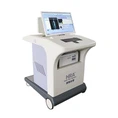

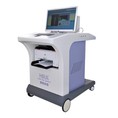
As a supplier of red blood cell detectors, I've had numerous discussions with professionals in the medical field, especially those working in blood banks. The question of whether a red blood cell detector can be effectively used for quality control in blood banks is both timely and crucial. In this blog post, I'll delve into this topic, exploring the potential of red blood cell detectors in ensuring the quality of blood products stored in blood banks.
The Importance of Quality Control in Blood Banks
Blood banks play a vital role in the healthcare system. They are responsible for collecting, testing, processing, and storing blood and blood products for transfusion. Quality control in blood banks is of utmost importance as it directly impacts the safety and efficacy of blood transfusions. Any compromise in the quality of blood products can lead to serious health complications for patients, including infections, allergic reactions, and even death.
Quality control measures in blood banks typically involve a series of tests and checks to ensure that the blood products meet the required standards. These include tests for infectious diseases, such as HIV, hepatitis B and C, and syphilis, as well as tests for blood group and compatibility. Additionally, the physical and chemical properties of the blood, such as its hemoglobin content, hematocrit, and platelet count, need to be monitored to ensure that the blood products are suitable for transfusion.
How Red Blood Cell Detectors Work
Red blood cell detectors are sophisticated medical devices designed to analyze the characteristics of red blood cells. These detectors use various technologies, such as optical, electrical, and biochemical methods, to measure different parameters of red blood cells, including their size, shape, number, and hemoglobin content.
One of the most common types of red blood cell detectors is the hematology analyzer. This device uses a combination of electrical impedance and optical scattering techniques to count and classify red blood cells, white blood cells, and platelets. By analyzing the data obtained from these measurements, hematology analyzers can provide valuable information about the health status of an individual, as well as the quality of the blood sample.
Another type of red blood cell detector is the flow cytometer. This device uses lasers and fluorescent dyes to analyze the physical and chemical properties of individual cells as they pass through a narrow channel. Flow cytometers can be used to detect and quantify specific markers on the surface of red blood cells, such as blood group antigens, which are important for blood typing and compatibility testing.
Potential Applications of Red Blood Cell Detectors in Blood Bank Quality Control
Red blood cell detectors have several potential applications in blood bank quality control. Here are some of the ways in which these devices can be used to ensure the quality of blood products:
Blood Typing and Compatibility Testing
Accurate blood typing and compatibility testing are essential for preventing transfusion reactions. Red blood cell detectors, such as flow cytometers, can be used to detect and quantify specific blood group antigens on the surface of red blood cells, allowing for accurate blood typing and cross-matching. This helps to ensure that the blood products are compatible with the recipient's blood type, reducing the risk of transfusion reactions.
Monitoring the Quality of Stored Blood
Blood products need to be stored under specific conditions to maintain their quality and viability. Red blood cell detectors can be used to monitor the physical and chemical properties of the blood during storage, such as its hemoglobin content, hematocrit, and pH. By regularly analyzing these parameters, blood banks can detect any changes in the quality of the blood products and take appropriate measures to ensure their safety and efficacy.
Detecting Contamination
Contamination of blood products with bacteria, viruses, or other pathogens is a serious concern in blood banks. Red blood cell detectors can be used to detect the presence of contaminants in the blood samples by analyzing the physical and chemical properties of the cells. For example, some detectors can detect changes in the size and shape of red blood cells caused by bacterial infections, allowing for early detection and treatment of contaminated blood products.
Assessing the Efficacy of Blood Processing Techniques
Blood processing techniques, such as leukoreduction and pathogen inactivation, are used to improve the quality and safety of blood products. Red blood cell detectors can be used to assess the efficacy of these techniques by analyzing the physical and chemical properties of the processed blood. For example, detectors can measure the reduction in the number of white blood cells and platelets after leukoreduction, as well as the inactivation of pathogens after pathogen inactivation treatment.
Advantages of Using Red Blood Cell Detectors for Quality Control in Blood Banks
There are several advantages to using red blood cell detectors for quality control in blood banks:
High Accuracy and Precision
Red blood cell detectors are highly accurate and precise, providing reliable results that can be used to make informed decisions about the quality of blood products. These devices use advanced technologies and algorithms to analyze the data, ensuring that the measurements are consistent and reproducible.
Rapid Results
Red blood cell detectors can provide rapid results, allowing for real-time monitoring of the quality of blood products. This is particularly important in emergency situations, where quick decisions need to be made about the suitability of the blood for transfusion.
Non-Invasive and Minimally Invasive Sampling
Most red blood cell detectors require only a small blood sample, which can be obtained through a simple finger prick or venipuncture. This makes the testing process non-invasive or minimally invasive, reducing the discomfort and risk of infection for the patients.
Automation and Integration
Many red blood cell detectors are automated and can be integrated with other laboratory systems, such as laboratory information management systems (LIMS). This allows for seamless data transfer and analysis, improving the efficiency and accuracy of the quality control process.
Challenges and Limitations
While red blood cell detectors have great potential for quality control in blood banks, there are also some challenges and limitations that need to be considered:
Cost
Red blood cell detectors can be expensive to purchase and maintain. This can be a significant barrier for some blood banks, especially those in developing countries or with limited resources.
Technical Expertise
Operating and interpreting the results of red blood cell detectors requires specialized technical expertise. Blood bank staff need to be trained on how to use the devices properly and how to analyze the data obtained from the measurements.
Standardization
There is a need for standardization of the methods and procedures used in red blood cell detection to ensure the comparability and reproducibility of the results. This requires the development of international standards and guidelines for the use of these devices in blood bank quality control.
False Positives and False Negatives
Like any medical test, red blood cell detectors are not perfect and can produce false positives and false negatives. These errors can lead to incorrect decisions about the quality of the blood products, which can have serious consequences for the patients.
Conclusion
In conclusion, red blood cell detectors have the potential to play a significant role in quality control in blood banks. These devices can be used to perform a variety of tests, including blood typing, compatibility testing, monitoring the quality of stored blood, detecting contamination, and assessing the efficacy of blood processing techniques. By providing accurate, rapid, and reliable results, red blood cell detectors can help to ensure the safety and efficacy of blood products, reducing the risk of transfusion reactions and improving patient outcomes.


However, there are also some challenges and limitations that need to be addressed, such as the cost of the devices, the need for technical expertise, the standardization of methods and procedures, and the potential for false positives and false negatives. Despite these challenges, the benefits of using red blood cell detectors for quality control in blood banks outweigh the limitations, and I believe that these devices will become an essential tool in the future of blood banking.
If you are interested in learning more about our Red Blood Cell Detector or Blood Test Device, or if you have any questions about their potential applications in blood bank quality control, please feel free to contact us. Our team of experts is always ready to assist you and provide you with the information you need to make an informed decision about your blood bank's quality control needs. We look forward to the opportunity to discuss how our products can help you improve the quality and safety of your blood products.
References
- Jaffe, E. A., & Nachman, R. L. (1973). The detection of red cell antibodies by the use of an antiglobulin consumption test. Journal of Clinical Investigation, 52(1), 195-203.
- Landis, J. R., & Koch, G. G. (1977). The measurement of observer agreement for categorical data. Biometrics, 33(1), 159-174.
- McPherson, R. A., & Pincus, M. R. (Eds.). (2011). Henry's Clinical Diagnosis and Management by Laboratory Methods (22nd ed.). Elsevier Saunders.